Introduction to Zhangjiajie
Nestled in the heart of China’s Hunan Province, Zhangjiajie is a stunning natural wonder renowned worldwide. It earned its status as a UNESCO World Heritage Site thanks to its extraordinary geological formations and breathtaking landscapes. Recognized for its unique sandstone pillars that soar into the sky, Zhangjiajie is often called a “natural sculpture museum,” showcasing the incredible power of nature over millions of years.
This protected status highlights the area’s global importance, not only for its natural beauty but also for its ecological significance. Visitors from around the world flock here to experience the awe-inspiring scenery that has inspired movies like Avatar and continues to captivate travelers. Whether you’re a nature lover, adventure seeker, or cultural explorer, Zhangjiajie offers a truly unforgettable travel experience.
Unique Geological Formations and Landscapes in Zhangjiajie
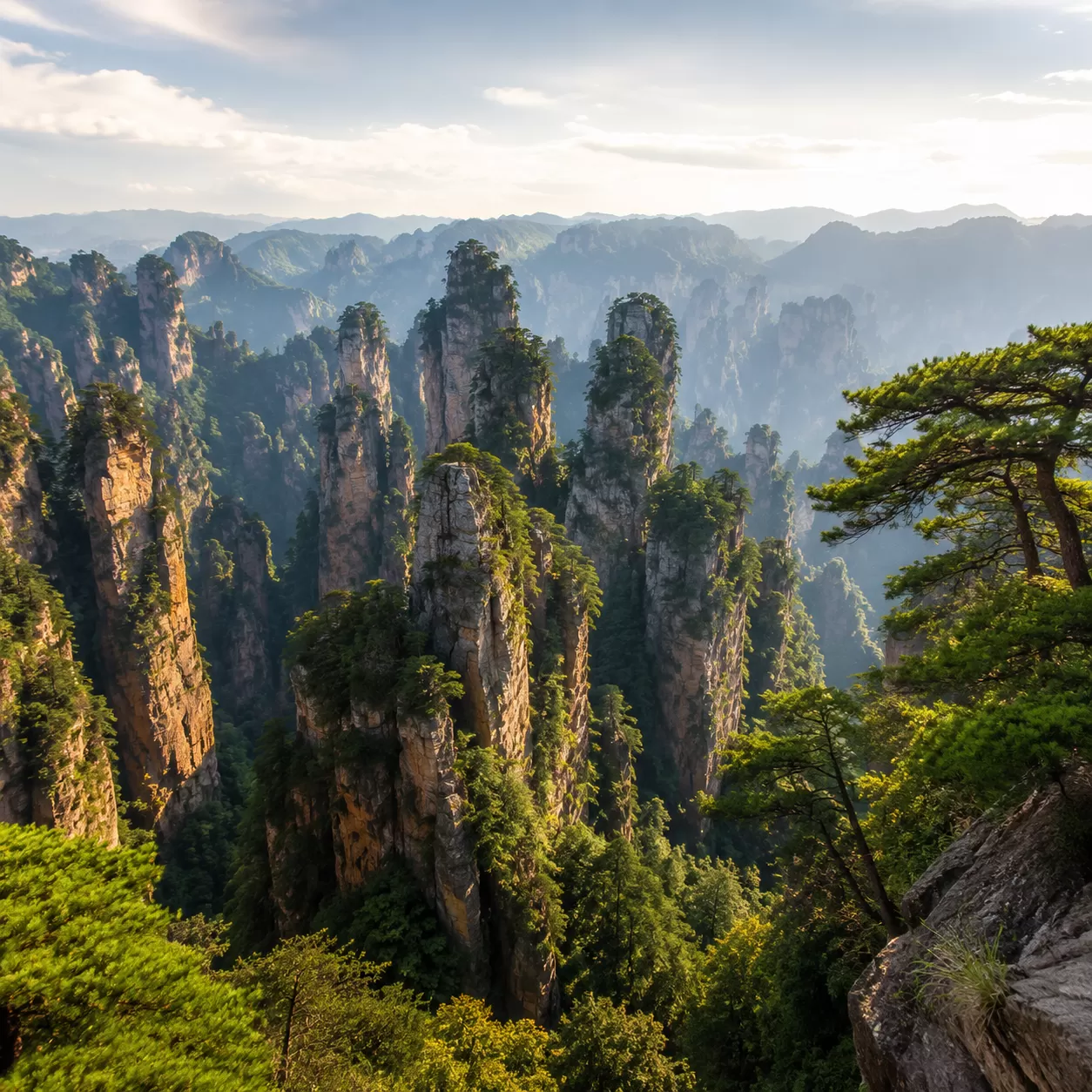
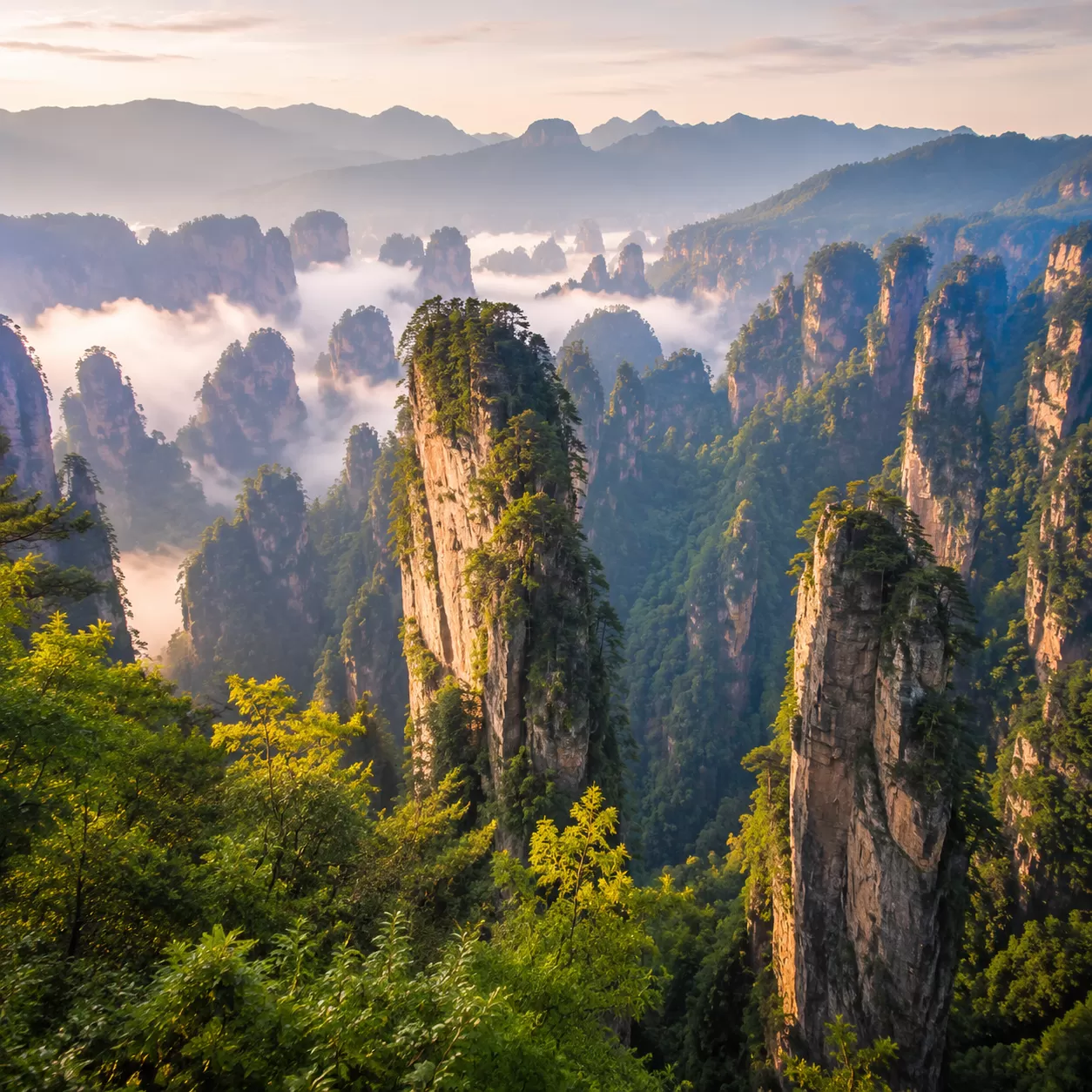
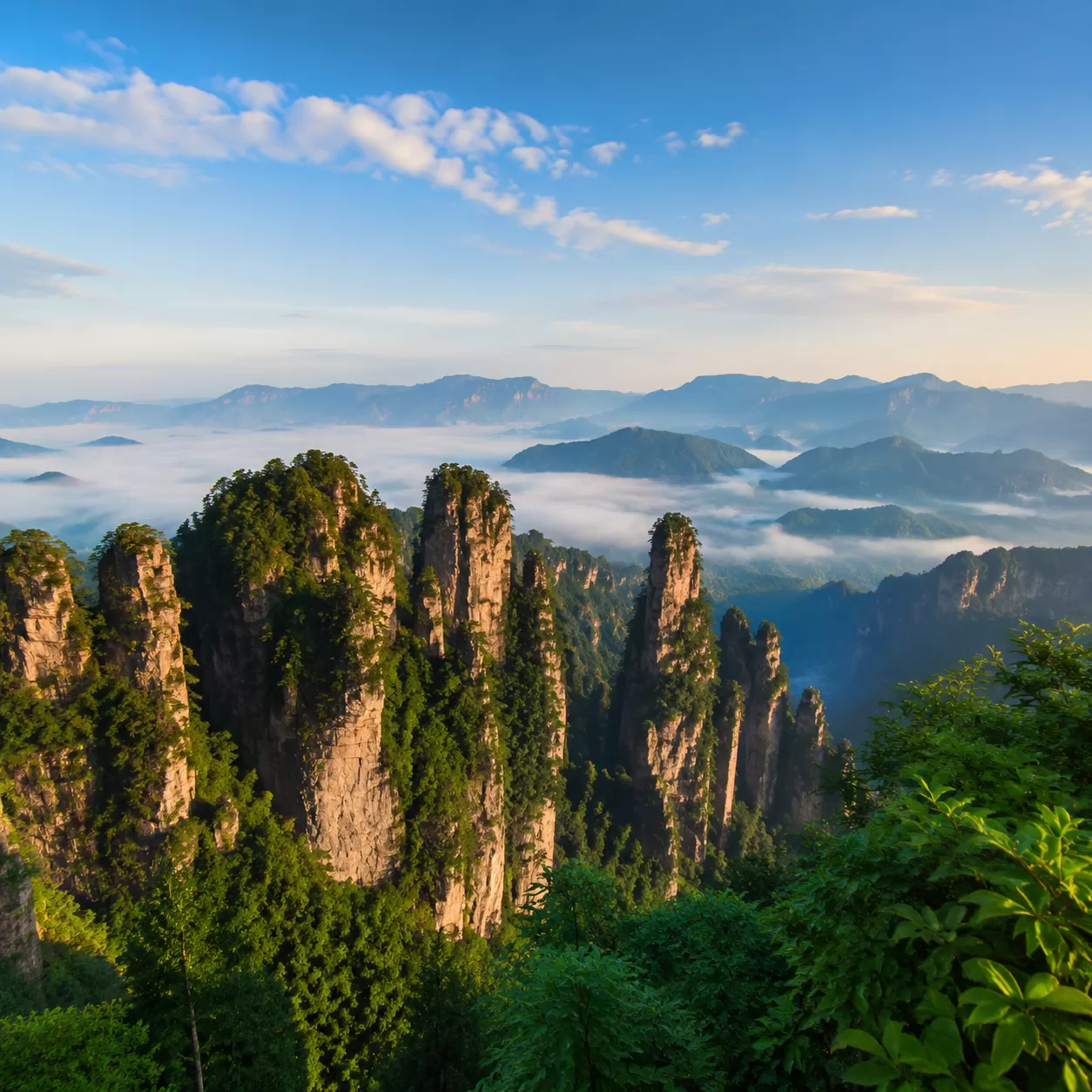
Zhangjiajie is famous for its stunning geological formations that look almost otherworldly. The most iconic feature is the towering sandstone pillars that rise sharply from the ground, creating a surreal landscape. These pillars are part of the Zhangjiajie National Forest Park and are often called the “Avatar Mountains” because they inspired the floating peaks in the movie Avatar.
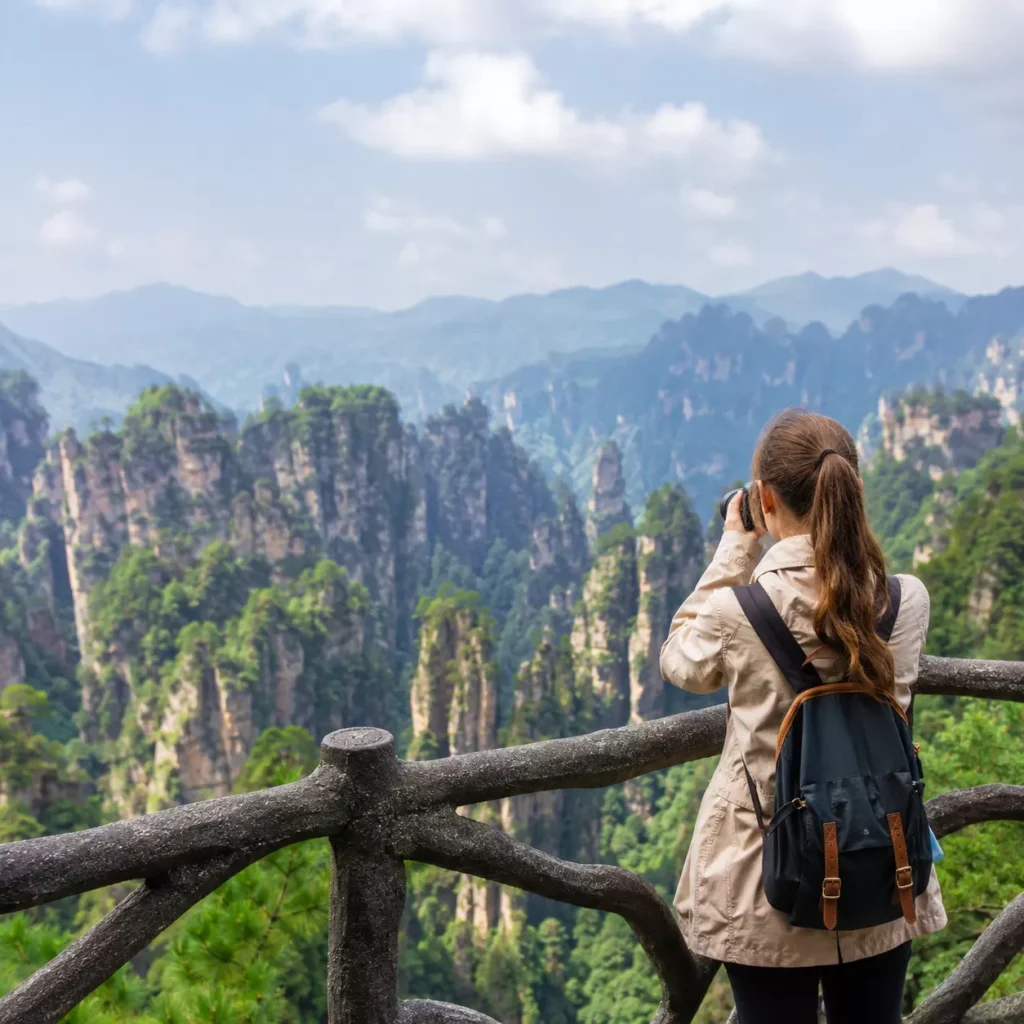
In addition to the sandstone pillars, the area boasts incredible karst formations—limestone caves and underground rivers that add to the natural beauty. These formations have been shaped over millions of years by wind, water, and weather, giving Zhangjiajie its distinctive rugged look. The scenery is so breathtaking that it’s a favorite for photographers and nature lovers alike.
If you’re interested in exploring more about the geological marvels, you might want to check out the Jade Emperor Peak or the South Heaven Gate, both offering unique views of the area’s natural beauty.
Zhangjiajie’s landscapes are not just beautiful—they’re a testament to nature’s power and artistry, making it a must-visit for anyone interested in natural wonders and geological formations.
Cultural and Historical Background of Zhangjiajie
Zhangjiajie has a rich history that dates back thousands of years, rooted in Chinese culture and local traditions. The area was historically known for its unique geological formations, which inspired legends and local folklore. Over time, it became a significant cultural site, blending natural beauty with historical heritage.
One of the most notable heritage sites is the Tianmen Mountain, famous for its ancient temples and religious significance. The region’s history is also reflected in traditional crafts, local music, and festivals that celebrate its cultural roots. For example, the folk songs and dances performed during local festivals highlight the area’s deep cultural identity.
If you’re interested in the historical context of China’s famous mountains, exploring Zhangjiajie’s heritage sites offers a glimpse into the region’s past. For a broader understanding of Chinese mountain culture, you might want to check out the history of Mount Tai, which shares similarities with Zhangjiajie’s spiritual significance.
Overall, Zhangjiajie’s history and culture add a meaningful layer to its natural landscapes, making it a must-visit for travelers interested in both adventure and heritage.
Reasons to Visit Zhangjiajie: Main Attractions, Natural Wonders, Adventure Opportunities, Cultural Experiences
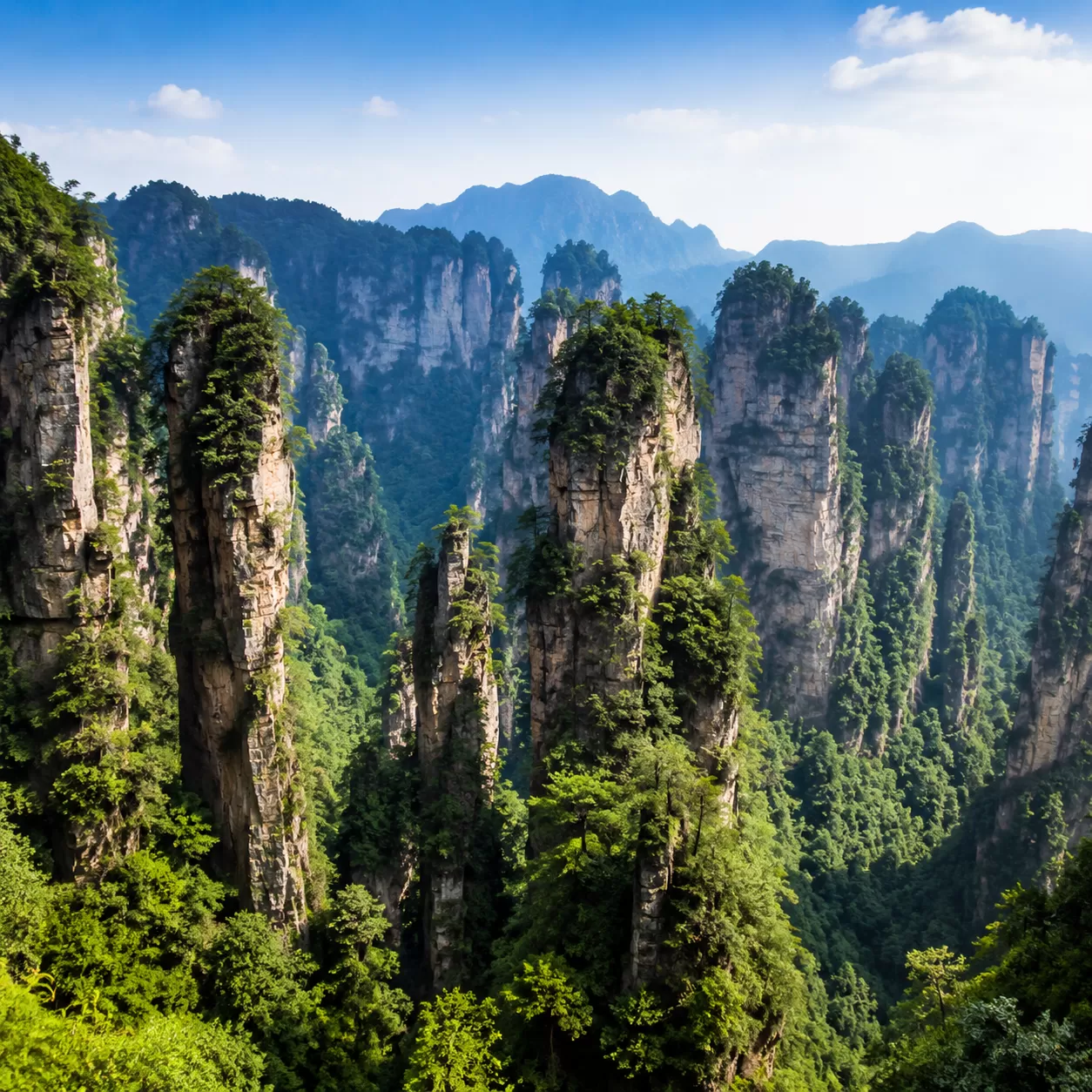
Zhangjiajie is a must-see destination for travelers looking for stunning landscapes and unique experiences. Its main attractions include the famous Zhangjiajie National Forest Park, home to the breathtaking sandstone pillars that inspired the floating mountains in the movie Avatar. Exploring areas like Yuanjiajie Scenic Area and Huangshizhai offers incredible photo opportunities and unforgettable views.
Beyond the natural beauty, Zhangjiajie offers plenty of adventure activities. You can enjoy thrilling cable car rides up Tianmen Mountain, walk across the glass bridge for an adrenaline rush, or hike scenic trails through lush forests. For those interested in culture, the region boasts local heritage sites and vibrant festivals that showcase traditional arts and cuisine.
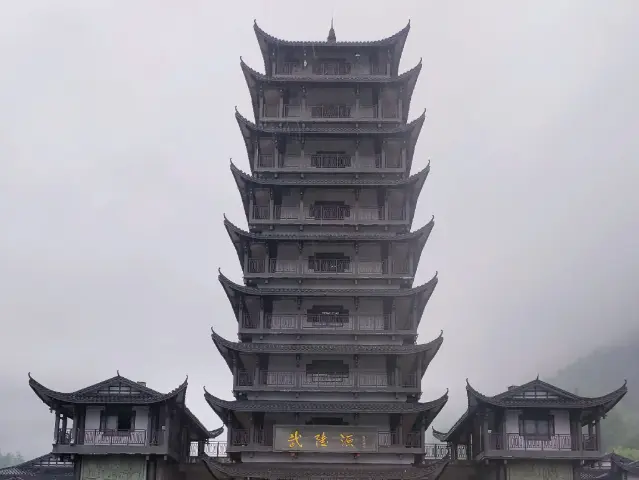
The Wulingyuan Scenic Area, a UNESCO World Heritage Site, combines natural wonders with cultural richness, making it a perfect spot for outdoor adventures and cultural immersion. Whether you’re into hiking, photography, or just soaking in awe-inspiring scenery, Zhangjiajie has something for every traveler. Planning your trip with a Zhangjiajie travel guide can help you make the most of these incredible sights and experiences.
Best Time to Visit Zhangjiajie
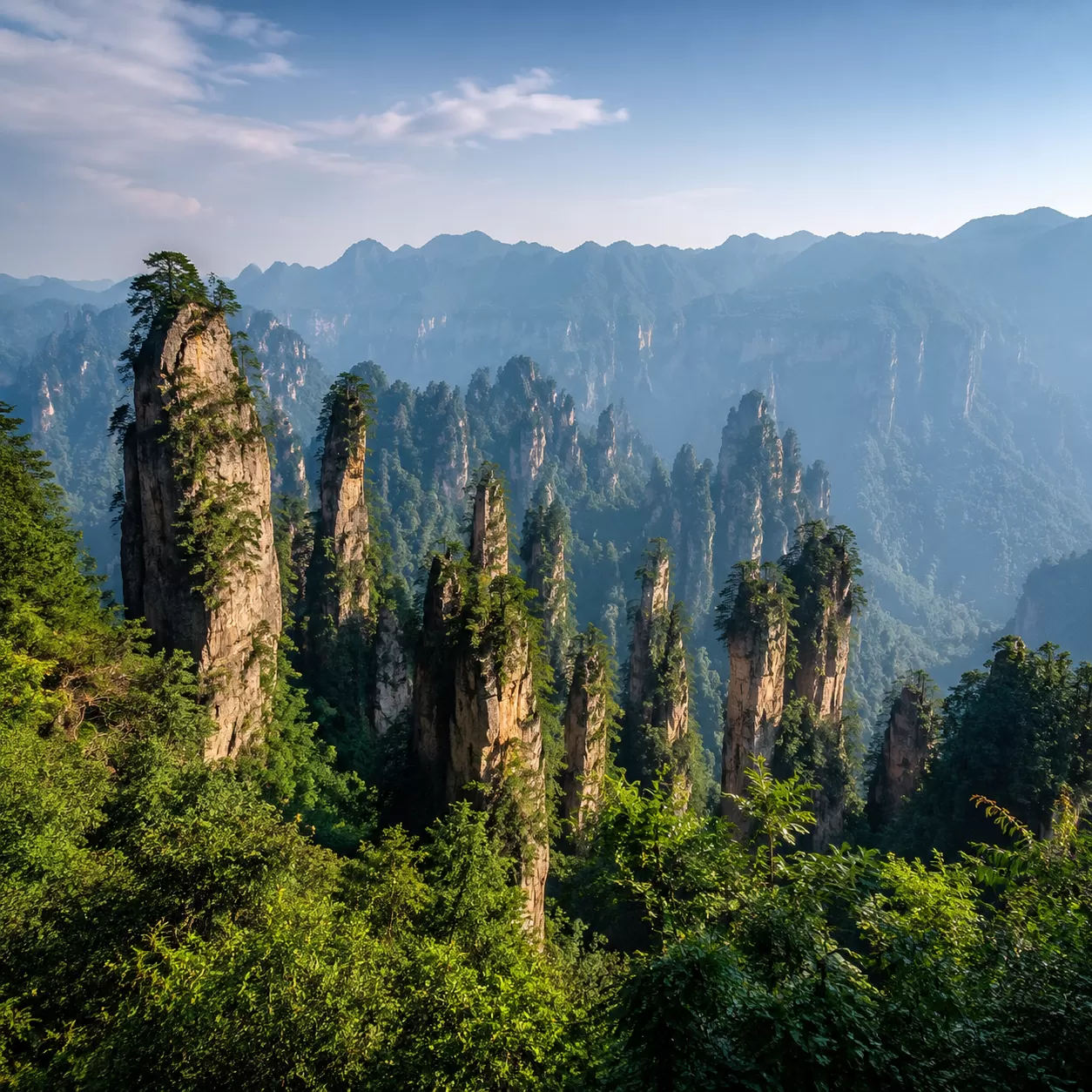
The best time to visit Zhangjiajie is during spring (March to May) and autumn (September to November). These seasons offer the most pleasant weather for exploring the stunning Zhangjiajie attractions, including the famous Zhangjiajie National Forest Park and Wulingyuan Scenic Area. During spring, the landscape bursts into vibrant colors with blooming flowers and lush greenery, making it perfect for outdoor activities and photography. Autumn, on the other hand, features clear skies and golden foliage that enhance the natural beauty of the sandstone pillars and mountain views.
In terms of weather patterns, Zhangjiajie experiences mild temperatures in spring and autumn, typically ranging from the high 50s to mid-70s Fahrenheit. Summers can be hot and humid, with increased rainfall, which might make hiking and outdoor adventures less comfortable. Winter is colder, but the scenery with snow-capped peaks can be quite breathtaking if you don’t mind the chill.
Timing your visit around local festivals can also enrich your experience. The Zhangjiajie International Cultural Tourism Festival usually takes place in September, showcasing local arts, performances, and cultural events. To avoid crowds, try to visit early in the mornings or during weekdays, especially during peak seasons and holiday periods like Chinese National Day in October. Planning ahead ensures you get the most out of your trip without the crowds and long lines.
Getting to Zhangjiajie: Major Transportation Hubs and Options
Traveling to Zhangjiajie is pretty straightforward, whether you’re flying, taking the train, or catching a bus. The city is served by Zhangjiajie Hehua Airport, which offers direct flights from major Chinese cities like Beijing, Shanghai, and Guangzhou. From the airport, you can grab a taxi or arrange a shuttle to your hotel or the main attractions.
If you prefer train travel, the Zhangjiajie Railway Station connects you to high-speed trains from places like Changsha, Guangzhou, and Wuhan. The train ride offers scenic views and is a comfortable way to get here without the hassle of flying. For more details on train schedules and routes, you can check the Zhangjiajie transportation options.
Buses are also a popular choice, especially for traveling within the region or from nearby cities. Long-distance buses connect Zhangjiajie with other parts of Hunan Province and beyond, making it easy to plan a flexible trip. Once in the city, local buses and shuttles can take you to the main scenic areas like Zhangjiajie National Forest Park or Tianmen Mountain.
For internal transfers, taxis and ride-hailing apps are convenient and affordable. Many visitors also rent electric bikes or scooters for short trips around the city, which is eco-friendly and fun. If you’re planning to explore more remote areas or go hiking, renting a car might be a good option, especially if you’re traveling with a group.
Getting to Zhangjiajie may require some planning, but with these transportation options, you can easily reach the stunning landscapes and natural wonders that make this place so special. For more on how to navigate within Zhangjiajie, check out Zhangjiajie transportation.
Transportation Within Zhangjiajie
Getting around Zhangjiajie is pretty straightforward, thanks to a variety of transportation options. Taxis are widely available and convenient for short trips, especially if you’re heading to specific attractions like Tianmen Mountain or Wulingyuan Scenic Area. Shuttles and organized tours are also popular, offering hassle-free transfers between major sites.
For breathtaking views and quick access to scenic spots, cable cars are a must-try. They provide stunning aerial perspectives of the sandstone pillars and lush landscapes, making your Zhangjiajie travel experience even more memorable. If you’re planning to explore more remote areas or prefer flexibility, renting a car is a good option. Just keep in mind that driving in some parts can be challenging due to narrow mountain roads.
Eco-friendly transportation options are increasingly available as well. Some hotels and scenic areas promote electric shuttles and bikes, helping visitors enjoy the natural beauty while reducing environmental impact. Whether you’re looking for a quick ride or an adventure, Zhangjiajie offers a range of transportation choices to suit any travel style. For a smooth trip, consider planning your routes in advance and checking the local transportation schedules.
Top Attractions and Must-See Sights in Zhangjiajie
When visiting Zhangjiajie, there’s no shortage of breathtaking sights to explore. The Zhangjiajie National Forest Park is the highlight, famous for its towering sandstone pillars that inspired the floating mountains in the movie Avatar. One of the most iconic spots here is Avatar Hallelujah Mountain, a stunning natural formation that’s perfect for photos and awe-inspiring views.
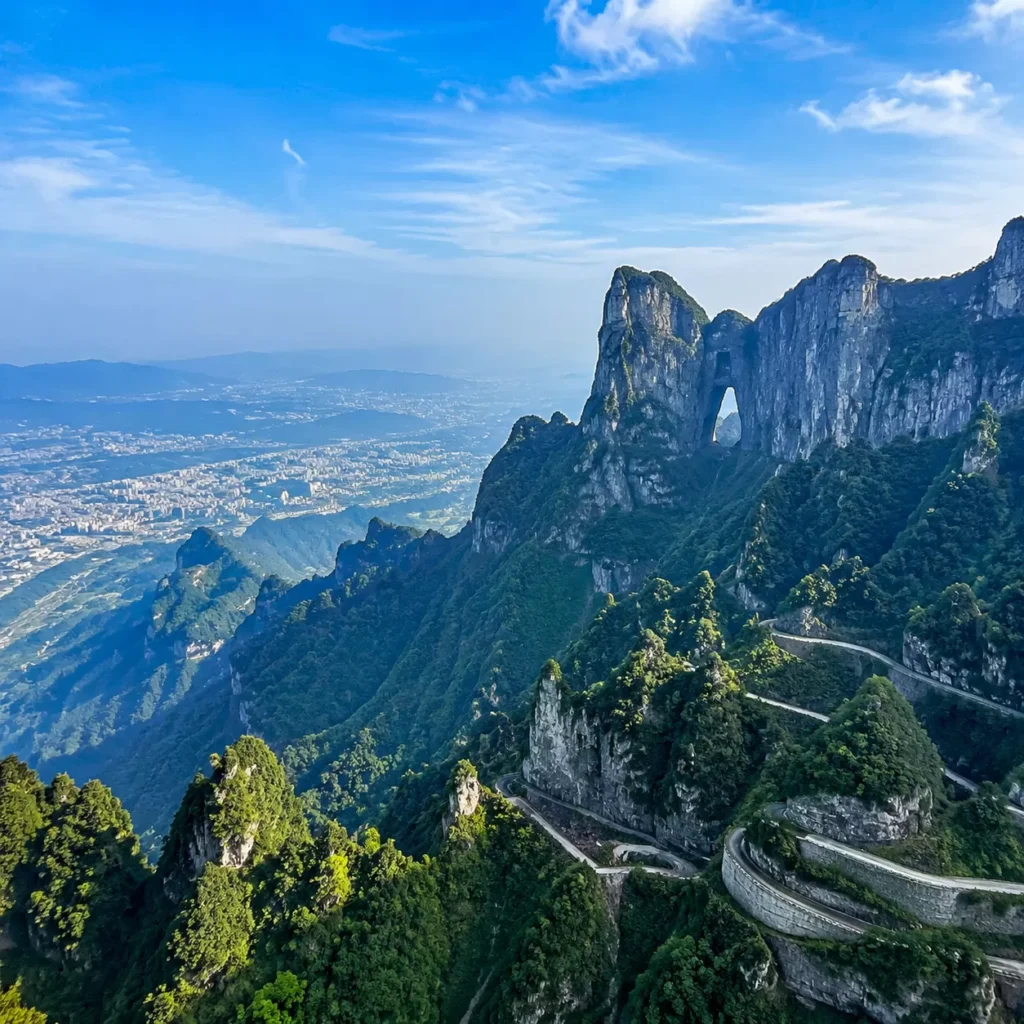
Another must-see is Tianmen Mountain and Cave, known for its dramatic cliffs, scenic cable cars, and the famous Tianmen Cave—often called the “Heaven’s Gate.” Don’t miss walking across the Glass Bridge and Skywalk, which offers a thrilling experience and spectacular views of the valley below.
The Yuanjiajie Scenic Area is a favorite among visitors for its dense forest and unique rock formations. Huangshizhai offers panoramic vistas and is ideal for those who want to enjoy scenic hikes without the crowds. For a peaceful retreat, check out Baofeng Lake, where you can enjoy boat rides surrounded by lush greenery.
Yellow Stone Village provides a glimpse into local life with traditional architecture and cultural charm. Lastly, the Wulingyuan Scenic Area encompasses many of these attractions, making it a must-visit for anyone wanting to experience the full natural beauty of Zhangjiajie.
For a comprehensive experience, consider planning your visit around these top sights, and if you’re interested in exploring more about the region, you might want to check out Mount Tai travel tips for similar scenic adventures.
Travel Tips for Exploring Zhangjiajie
Visiting Zhangjiajie can be an unforgettable experience, but a little planning goes a long way. For starters, buying tickets in advance for popular attractions like Zhangjiajie National Forest Park and Tianmen Mountain can save you time and avoid long lines. You can purchase tickets online or at the entrance, but during peak seasons, booking ahead is highly recommended.
The best time to visit Zhangjiajie is during spring (April to June) and autumn (September to November), when the weather is mild and the scenery is at its most stunning. During these months, you’ll also avoid the biggest crowds. If you’re visiting during peak season, try to arrive early in the morning or later in the afternoon to beat the crowds at top attractions like Avatar Hallelujah Mountain or the Glass Bridge.
When exploring the area, wear comfortable shoes suitable for hiking, as many scenic spots involve walking or trekking along uneven paths. If you’re not up for strenuous hikes, consider taking the cable cars available at Tianmen Mountain or Wulingyuan Scenic Area for a quick and scenic ride.
To make the most of your trip, check the weather forecast before heading out—Zhangjiajie’s weather can be unpredictable, especially in the rainy season. Also, remember to bring water, sunscreen, and a hat for outdoor activities. For eco-friendly travel, consider using shuttle buses and cable cars instead of taxis whenever possible.
For more detailed travel tips and a comprehensive guide on ticketing and visiting hours, you can visit the Zhangjiajie travel tips page. Planning ahead will help you enjoy Zhangjiajie’s natural beauty without stress.
Outdoor Adventures and Activities in Zhangjiajie
Zhangjiajie is a haven for outdoor lovers. Whether you’re into hiking, cable car rides, or adrenaline-pumping adventures, there’s plenty to explore. The Zhangjiajie hiking trails offer breathtaking views of the sandstone pillars and lush forests, perfect for photography enthusiasts looking for the best viewpoints in Zhangjiajie. For a bird’s-eye view of the stunning landscapes, riding the Zhangjiajie cable cars is a must. These rides provide a smooth and scenic way to see the Wulingyuan Scenic Area and other major attractions.
For thrill-seekers, the glass bridges and skywalks are the highlight. The Zhangjiajie Glass Bridge, one of the highest and longest in the world, gives you a heart-pumping experience with panoramic views beneath your feet. It’s a popular spot for both adventure activities and incredible photos. Besides these, visitors can enjoy outdoor activities like rock climbing, zip-lining, and guided nature walks. These adventures make Zhangjiajie a perfect destination for those looking to combine natural beauty with exciting experiences. If you’re curious about how challenging some of these activities are, you might want to check out how difficult is it to climb Mount Tai, which offers insight into outdoor stamina and safety.
Local Culture and Experiences in Zhangjiajie
When visiting Zhangjiajie, immersing yourself in the local culture is a must. The area offers a rich mix of traditional arts, local cuisine, and vibrant festivals that give you a true taste of the region’s heritage.
Local Cuisine
Zhangjiajie’s food scene is a highlight for travelers. You’ll find hearty dishes like spicy hotpot, smoked meats, and fresh river fish. Be sure to try local specialties such as Zhangjiajie-style rice noodles and street snacks from markets. These authentic flavors give you a glimpse into daily life here.
Traditional Arts and Crafts
The local arts scene features beautiful embroidery, wood carvings, and pottery. Many small shops sell handmade crafts that reflect the area’s natural beauty and cultural history. Engaging with local artisans is a great way to learn about their traditions and maybe pick up a unique souvenir.
Cultural Festivals
Zhangjiajie hosts lively festivals throughout the year, especially during spring and autumn. These celebrations often include traditional music, dance, and folk performances. Participating in or watching these festivals can deepen your understanding of local customs and community spirit.
Connecting with Locals
People in Zhangjiajie are friendly and proud of their heritage. Even if you don’t speak much Chinese, a warm smile and respectful attitude go a long way. Many locals enjoy sharing stories about their history and natural surroundings, making your visit more meaningful.
Exploring Zhangjiajie’s local culture adds a special layer to your trip, whether through tasting regional dishes, enjoying traditional arts, or engaging with the community. It’s a great way to experience the area beyond its stunning natural landscapes.
Accommodation Options in Zhangjiajie
When planning your trip to Zhangjiajie, you’ll find a range of accommodation options to suit every budget and travel style. From luxury resorts to budget hostels, there’s something for everyone.
Luxury Hotels and Resorts
If you want a comfortable stay with top-notch amenities, consider staying at one of the luxury hotels or resorts. These places often offer stunning views of the natural landscapes, spa services, and fine dining. They’re perfect if you’re celebrating a special occasion or just want a relaxing retreat after a day exploring Zhangjiajie attractions like Zhangjiajie National Forest Park or Tianmen Mountain.
Mid-Range Hotels
Mid-range hotels are a popular choice for most travelers. They usually provide clean, comfortable rooms with good facilities at reasonable prices. Many are located near main attractions, making it easy to explore Wulingyuan Scenic Area or Huangshizhai without long commutes. Look for hotels with good reviews, free Wi-Fi, and breakfast options.
Budget Hostels and Guesthouses
Traveling on a budget? Local hostels and guesthouses are affordable and often offer a more authentic experience. They’re great for meeting other travelers and getting tips from locals. These options are usually located in the city center or close to transportation hubs, making it easier to access Zhangjiajie’s top sights and outdoor activities like hiking trails or the Glass Bridge.
Best Areas Based on Your Itinerary
| Area | Best for | Highlights |
|---|---|---|
| Wulingyuan Scenic Area | Nature lovers | Close to Zhangjiajie National Forest Park |
| Downtown Zhangjiajie | Easy access | Near transportation and local markets |
| Tianmen Mountain Area | Adventure seekers | Near Tianmen Cave and cable car stations |
Choosing the right area can make your trip smoother and more enjoyable. Whether you want to be close to natural wonders or prefer easy access to transportation, there’s a perfect spot for you in Zhangjiajie.
Food and Dining in Zhangjiajie
When visiting Zhangjiajie, exploring the local cuisine is a must. The city offers a variety of popular restaurants that serve authentic regional dishes, giving you a true taste of local culture. Don’t miss trying specialties like spicy hotpot, fresh river fish, and local stir-fries that highlight the flavors of Hunan Province.
Street food is also a big part of the experience. You’ll find vendors selling everything from skewered meats and fried snacks to sweet treats. It’s a great way to sample the local flavors on the go and enjoy a casual meal while exploring the scenic spots.
For a more immersive experience, visit the local markets. Here, you can browse through fresh produce, regional snacks, and handmade crafts. It’s a perfect chance to pick up souvenirs and taste some of the freshest ingredients used in Zhangjiajie’s cuisine.
Whether you prefer dining in a sit-down restaurant or grabbing street food, Zhangjiajie’s food scene offers something for every traveler. Just be sure to try the local dishes and enjoy the vibrant culinary culture that makes this destination so unique.
Practical Travel Info for Visiting Zhangjiajie
Getting your practical travel details sorted is key to making the most of your trip to Zhangjiajie. First, the local currency is the Chinese Yuan (CNY). Most places accept mobile payment methods like WeChat Pay and Alipay, so it’s handy to set those up before your trip. Cash is still useful in markets or small shops, so carry some with you.
English isn’t widely spoken outside major tourist spots, so learning a few basic Mandarin phrases or using translation apps can make communication smoother. If you need help, tourist centers and hotel staff usually speak some English and can assist with directions or questions.
Health and safety should always come first. Zhangjiajie has good medical facilities, but it’s smart to bring any personal medications with you. Drinking bottled water is recommended, especially if you’re hiking or exploring outdoors. For emergencies, dial 110 for police, 120 for medical help, and 119 for fire services. It’s also a good idea to register your trip with your embassy or consulate before traveling.
To ensure a smooth experience, check the latest travel advisories and safety tips on local websites or through your travel provider. Planning ahead with reliable travel info can help you navigate Zhangjiajie confidently and enjoy all the amazing attractions without worries.
Shopping for Souvenirs in Zhangjiajie
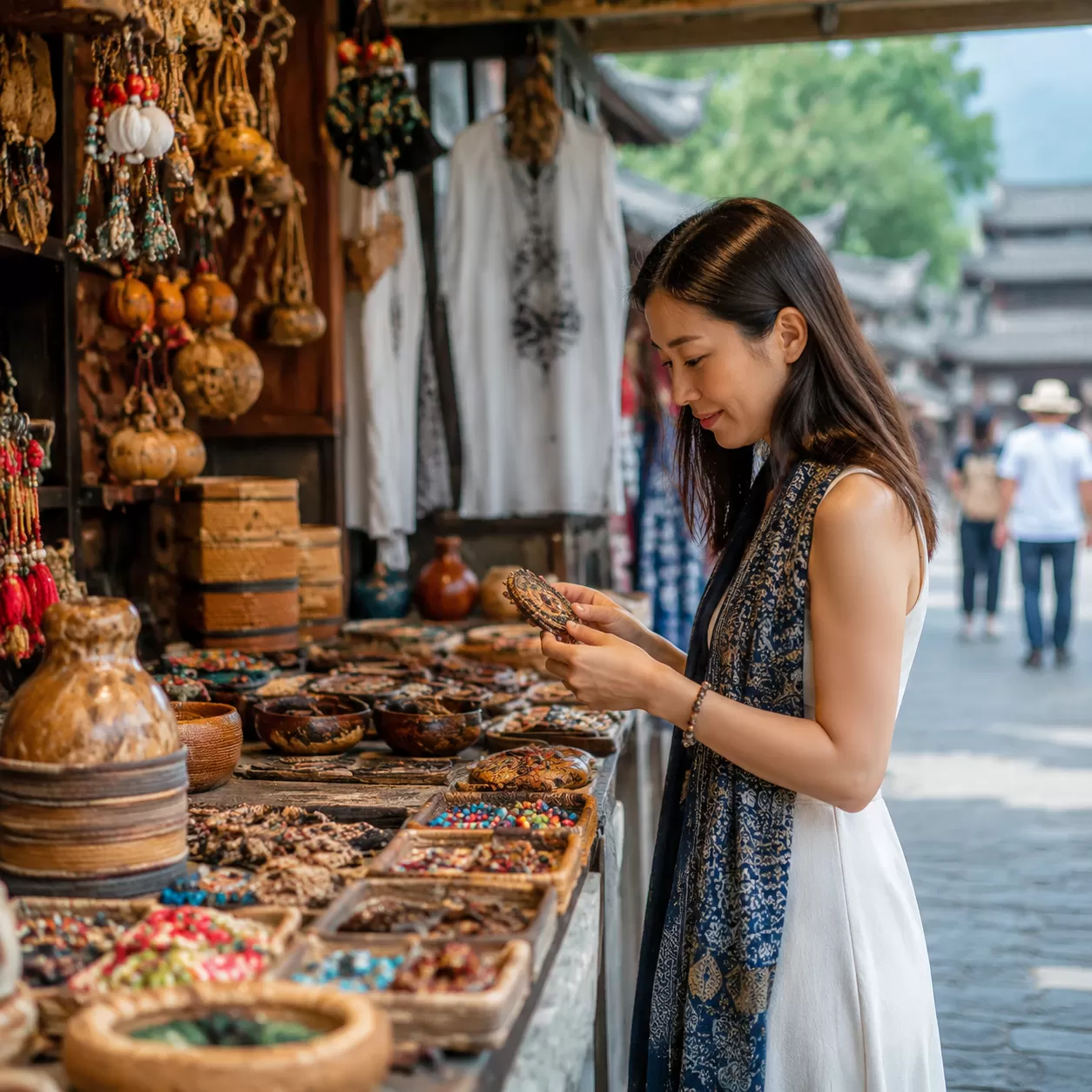
When visiting Zhangjiajie, picking up some local crafts is a great way to remember your trip. The city offers a variety of unique souvenirs that reflect its natural beauty and cultural heritage. You’ll find plenty of options in popular shopping districts and markets, where authentic local products are readily available.
Best Shopping Districts and Markets
- Yuanjiajie Scenic Area Markets: Small stalls here sell handmade crafts, jewelry, and souvenirs inspired by the stunning sandstone pillars.
- Tianmen Mountain Gift Shops: Great spots for buying traditional Chinese art, calligraphy, and miniature mountain models.
- Wulingyuan Scenic Area: Offers a range of local crafts, including bamboo carvings and ethnic textiles.
- Local Markets in Downtown Zhangjiajie: These bustling markets are perfect for exploring a variety of souvenirs, from carved wooden figures to traditional clothing.
Tips for Authentic Purchases
- Look for local crafts: Items like carved stone, bamboo art, and ethnic textiles are genuine and reflect local craftsmanship.
- Check for quality: Authentic souvenirs usually have clear craftsmanship details. Avoid overly cheap items that look mass-produced.
- Ask about the origin: Don’t hesitate to ask vendors where their products come from — genuine local crafts are often labeled or have a story behind them.
- Support local artisans: Buying directly from artisans or small shops helps support the local community and ensures you get authentic products.
Popular Souvenirs to Bring Home
- Hand-painted Chinese fans
- Traditional ethnic jewelry or textiles
- Miniature sandstone pillars or mountain models
- Local tea or herbal medicines
- Artistic calligraphy or paper cuttings
Shopping for souvenirs in Zhangjiajie is more than just buying keepsakes — it’s a chance to connect with local culture and craftsmanship. Stick to authentic markets and be mindful of quality, and you’ll bring home meaningful mementos that truly capture the spirit of this beautiful place.
Responsible Tourism and Eco-Conservation in Zhangjiajie
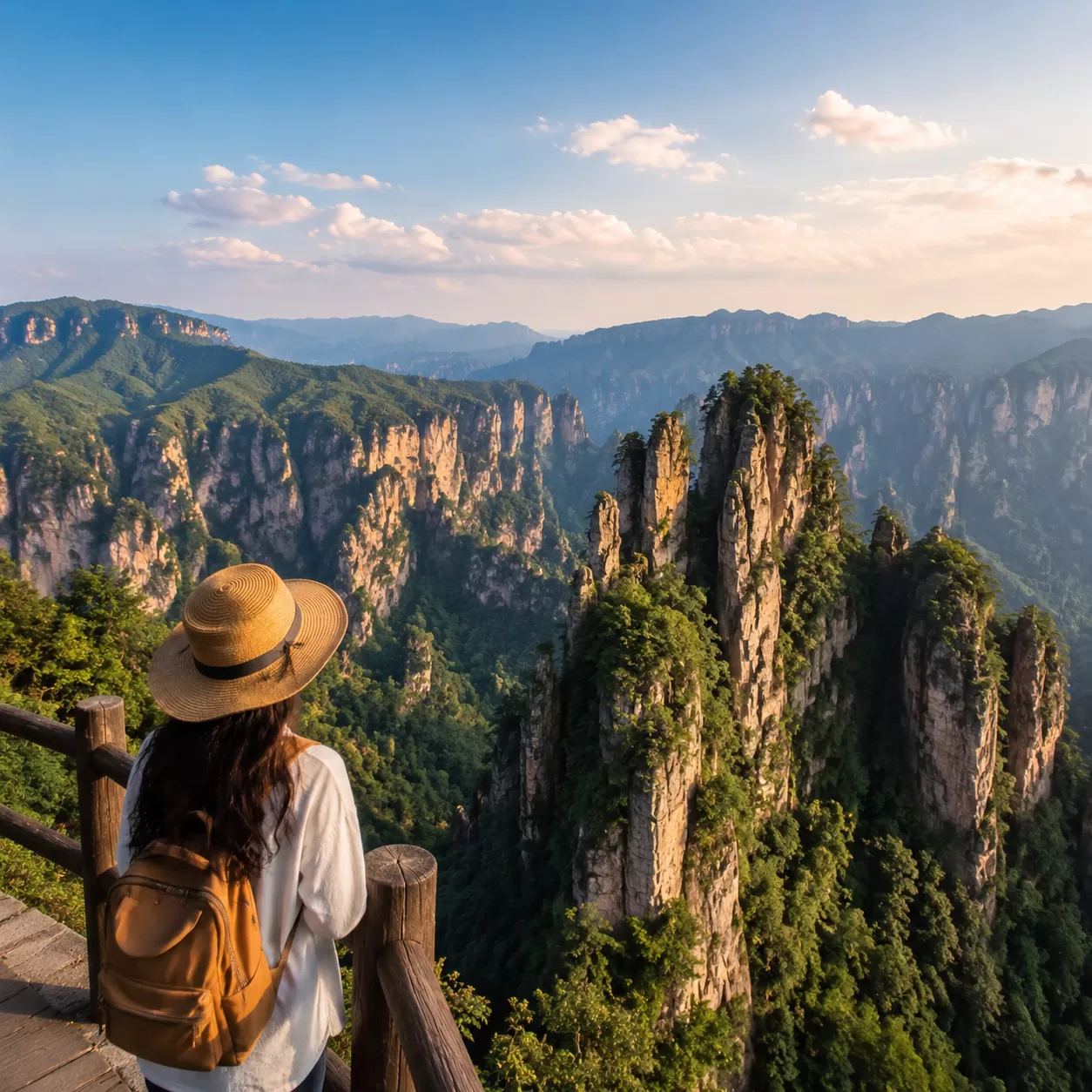
When visiting Zhangjiajie, it’s important to practice responsible tourism. The area’s stunning natural beauty depends on eco-friendly practices. Always follow designated paths and avoid damaging the delicate sandstone pillars and karst formations. Respect local culture by engaging politely with residents and learning about their traditions.
Supporting local communities is also key. Consider staying at eco-friendly hotels or guesthouses that prioritize sustainability. Buying local crafts and souvenirs helps small businesses thrive. If you’re into outdoor activities like hiking or taking cable cars, do so with care—leave no trace and dispose of waste properly.
By being mindful of our impact, we help preserve Zhangjiajie’s natural wonders for future visitors. Supporting conservation efforts and respecting the environment ensures everyone can enjoy the breathtaking landscapes of this UNESCO World Heritage Site responsibly.
Sample Itineraries for Zhangjiajie Travel: 2-Day, 3-Day, and Week-Long Plans
Planning your trip to Zhangjiajie can be easy if you have a clear itinerary. Whether you’re short on time or want to explore more deeply, I’ve put together some sample plans to help you make the most of your visit. These itineraries include the main Zhangjiajie attractions like Zhangjiajie National Forest Park, Tianmen Mountain, and Wulingyuan Scenic Area, along with some hidden gems and lesser-known sites.
2-Day Zhangjiajie Travel Itinerary
Day 1:
- Morning: Visit Zhangjiajie National Forest Park. Walk the famous Avatar Hallelujah Mountain and explore Yuanjiajie Scenic Area.
- Afternoon: Head to Huangshizhai for stunning views and scenic walks.
- Evening: Relax at your hotel or explore local dining options.
Day 2:
- Morning: Take the cable car to Tianmen Mountain. Explore the Tianmen Cave and walk the glass skywalk.
- Afternoon: Check out Baofeng Lake for a peaceful boat ride or visit Yellow Stone Village for a quieter experience.
- Evening: Enjoy local cuisine in Zhangjiajie city.
3-Day Zhangjiajie Travel Itinerary
Day 1 & 2: Follow the 2-day plan above.
Day 3:
- Morning: Visit the Yellow Stone Village or Wulingyuan Scenic Area for more natural beauty.
- Afternoon: Experience adventure activities like glass bridges or hiking Zhangjiajie hiking trails.
- Evening: Attend a local cultural festival or explore markets for souvenirs.
Week-Long Zhangjiajie Travel Plan
- Days 1-3: Cover the main attractions like Zhangjiajie National Forest Park, Tianmen Mountain, and Wulingyuan Scenic Area.
- Day 4: Discover the hidden gems such as lesser-known hiking trails or quiet villages.
- Day 5: Take a day trip to Huangshizhai or explore local arts and crafts.
- Day 6: Enjoy outdoor adventures like ziplining, rock climbing, or photography at scenic spots.
- Day 7: Relax by Baofeng Lake or explore local markets for authentic souvenirs.
Hidden Gems and Lesser-Known Sites
If you’re into discovering off-the-beaten-path spots, consider visiting:
- Yellow Stone Village: A peaceful spot with traditional architecture and beautiful views.
- Huangshizhai: Less crowded but offers incredible vistas and hiking trails.
- Local villages: Experience authentic culture and local crafts away from the crowds.
- Secret viewpoints: Ask locals for hidden spots with stunning views of the sandstone pillars and karst formations.
These sample itineraries are flexible and can be customized based on your interests and travel pace. Whether you’re here for a quick getaway or a longer adventure, Zhangjiajie offers plenty of natural beauty and cultural experiences to fill your days.
FAQs and Common Questions about Zhangjiajie Travel
Planning a trip to Zhangjiajie? Here are some common questions to help you get started.
How do I get to Zhangjiajie?
The easiest way is to fly into Zhangjiajie Hehua Airport, which has direct flights from major Chinese cities and some international routes. From there, you can take a taxi or shuttle to your hotel. If you’re coming from nearby cities, trains and long-distance buses are good options. Wulingyuan Scenic Area is well connected, making travel smooth once you arrive.
Is Zhangjiajie safe for tourists?
Absolutely. Zhangjiajie is a popular tourist destination with good safety standards. Just follow local guidelines, especially on hikes and adventure activities like the glass bridge or cable car rides. Keep an eye on your belongings and stay aware of your surroundings, especially in crowded areas.
What are the best apps for exploring Zhangjiajie?
- WeChat: For messaging, translations, and local info.
- Didi: China’s Uber, great for taxis.
- Maps.me or Google Maps: For navigation, especially on hiking trails.
- Trip.com or TripAdvisor: For reviews on hotels, restaurants, and attractions.
- Weather apps: To check Zhangjiajie weather and plan your days.
What should I pack for Zhangjiajie?
Bring comfortable walking shoes for hiking, layered clothing for changing weather, and rain gear just in case. Don’t forget a camera or smartphone for photos, especially at viewpoints like Avatar Hallelujah Mountain. Sunscreen and hats are helpful too, especially during sunny days.
Are there language barriers?
Most tourist spots have English signs, and many staff speak basic English. It’s helpful to learn a few simple Chinese phrases or have a translation app handy. Carry a printed map or guidebook for easier navigation.
How do I avoid crowds at popular attractions?
- Visit early in the morning or late in the afternoon.
- Avoid Chinese public holidays and weekends.
- Consider visiting lesser-known sites like Huangshizhai or Yellow Stone Village for a quieter experience.
- Book tickets online in advance to skip long lines.
What safety tips should I keep in mind?
- Follow safety signs and instructions, especially on hiking trails and at the glass bridge.
- Stay on designated paths to avoid accidents.
- Keep hydrated and take breaks during hikes.
- Use secure bags and wallets to prevent theft.
How can I support eco-friendly tourism?
- Use eco-friendly transportation like cable cars or shuttles.
- Respect local culture and natural sites.
- Avoid littering and dispose of trash properly.
- Support local businesses and communities by buying local crafts and food.
Having these FAQs in mind will help you enjoy your trip to Zhangjiajie smoothly and safely. Happy exploring!
Discover the Magic of Zhangjiajie
Zhangjiajie is truly a one-of-a-kind destination. From its stunning sandstone pillars and natural landscapes in the Zhangjiajie National Forest Park to the breathtaking views from Tianmen Mountain, this place offers a mix of adventure, culture, and natural beauty that’s hard to find anywhere else. Whether you’re into hiking Zhangjiajie’s famous trails, exploring the Wulingyuan Scenic Area, or just soaking in the scenery from a cable car ride, there’s something for everyone.
As you plan your trip, remember to explore responsibly. Respect local culture, stick to eco-friendly practices, and support the communities that make Zhangjiajie so special. This way, you help preserve its beauty for future visitors.
Ready to experience this incredible place? Start planning your trip now! Whether you have a quick weekend or a full week, Zhangjiajie’s unique attractions and natural wonders are waiting for you. Don’t miss out on the chance to see the iconic Avatar Hallelujah Mountain, walk across the glass bridge, or enjoy the scenic views from Yellow Stone Village. It’s a trip you’ll remember for a lifetime.