Zhangjiajie climate guide
If you’re trying to figure out the Best time to visit Zhangjiajie, the first thing I’d look at is the weather. The area has a subtropical monsoon climate, which basically means warm, humid summers, cool winters, and plenty of rain spread through the year. In plain English: you can get incredible views, but the weather can also change fast.
What the climate is like
Zhangjiajie sits in a mountain region, so the conditions feel different from a typical city trip.
- Spring and summer: warmer, wetter, and more humid
- Autumn: cooler, clearer, and usually the most comfortable
- Winter: cold, damp, and often foggy, with possible snow or ice at higher spots
Average temperatures can shift a lot by season:
- Spring: mild to warm
- Summer: hot and sticky
- Autumn: crisp and pleasant
- Winter: chilly, especially in the mountains
Rain, fog, and visibility
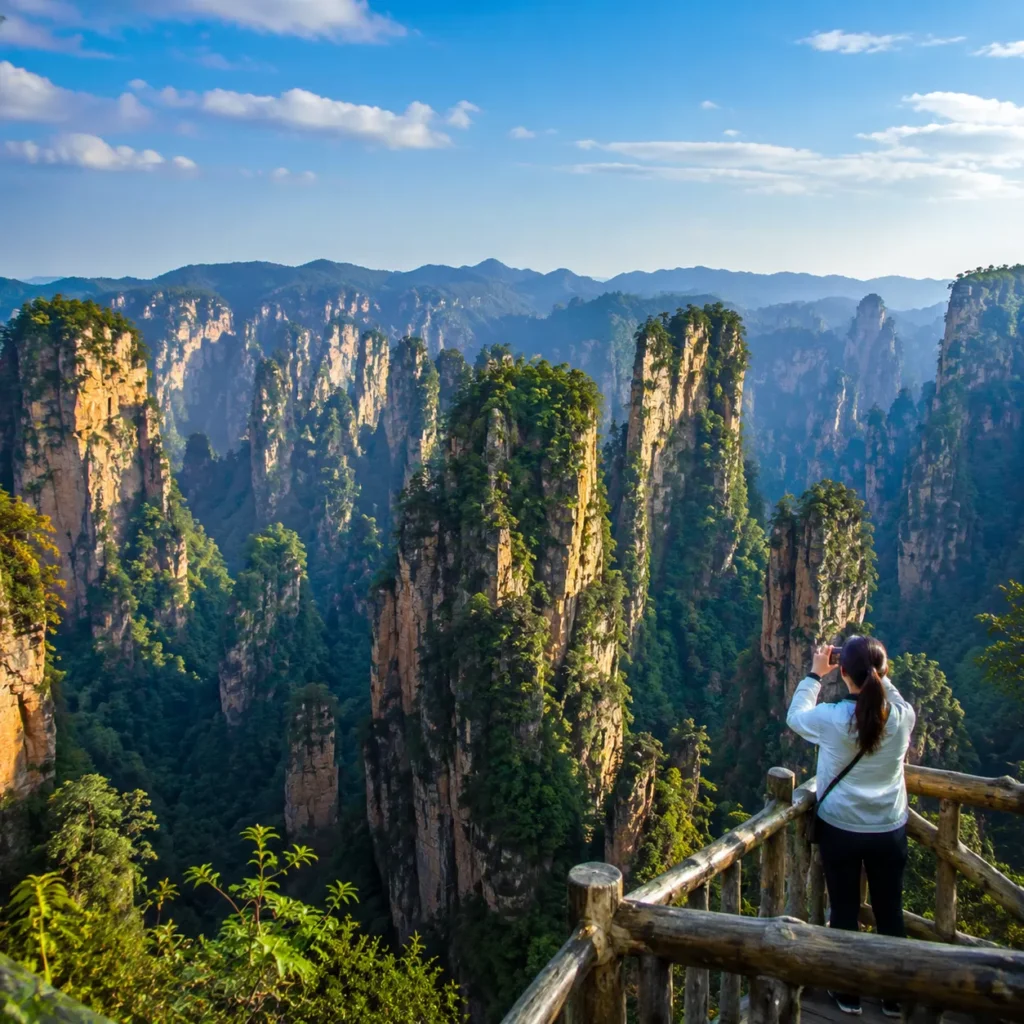
This is a big deal in Zhangjiajie. The famous sandstone pillars and viewpoints look amazing when the air is clear, but fog and rain can hide the scenery fast.
What that means for your trip:
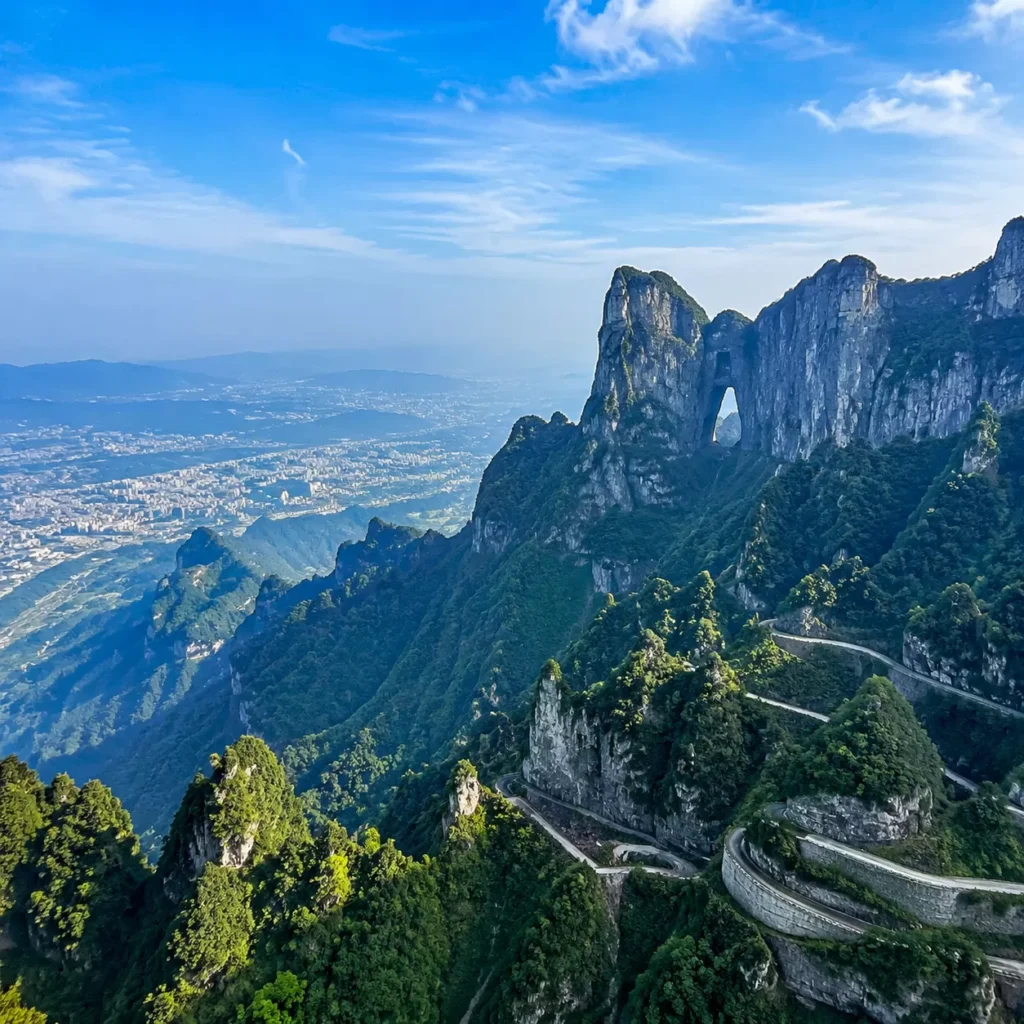
- Fog can block mountain views at Tianmen Mountain and in Wulingyuan
- Rain can make trails slippery, especially on stairs and stone paths
- After rain, mist can create dramatic scenery if you’re lucky
- Clear mornings often give the best visibility
So when people search for When to go to Zhangjiajie National Park, the real answer is not just “when it’s warm.” It’s also when the skies are most likely to stay open.
What each season feels like
Spring
Spring feels fresh, green, and a little unpredictable. I’d expect light jackets, some rain, and changing visibility. It’s a good time for scenery, but you may need patience with mist.
Summer
Summer is lush and dramatic, but it’s also the most humid and crowded season. Expect heat, afternoon showers, and heavy tourist traffic. The upside is that the landscape looks very green and full.
Autumn
Autumn is the sweet spot for many travelers. The air feels cleaner, the weather is steadier, and the views are often the best. If I had to choose the Best season for Zhangjiajie travel for most people, this would be it.
Winter
Winter is the quietest and cheapest season, but it can be cold, damp, and foggy. You might get snow or ice, which looks beautiful, but visibility can be hit or miss. It’s best for travelers who don’t mind the chill and want fewer crowds.
Quick takeaway
If you want the Best time to visit Zhangjiajie, think about two things first:
- Visibility: clear skies matter more than just temperature
- Comfort: humidity, rain, and crowds can change the whole experience
That’s why the Zhangjiajie climate guide matters so much before you lock in dates. The right season can make the difference between a foggy, rushed trip and a truly memorable one.
Best Time to Visit Zhangjiajie: What to Consider
When I help people pick the best time to visit Zhangjiajie, I usually look at five things: weather, visibility, crowds, cost, and how easy it is to get around. Zhangjiajie’s subtropical monsoon climate means conditions can change fast, so the Zhangjiajie weather forecast matters a lot more here than in many other destinations.
Weather and temperature by month
Zhangjiajie has real seasonal swings:
- Spring (March–May): mild and comfortable, but rain starts picking up
- Summer (June–August): hot, humid, and the wettest stretch
- Autumn (September–November): cooler, drier, and usually the most reliable
- Winter (December–February): cold, quiet, and often foggy
For most travelers, autumn is the best season for Zhangjiajie travel because the weather is steadier and the mountain views are easier to catch. Summer can feel sticky, especially in July and August, while winter brings a chill that can surprise people coming from warmer parts of the U.S.
Rain, fog, and visibility
This is a big one. In Zhangjiajie, rain and fog can make or break your trip. The mountains are stunning, but they also create their own weather.
- Tianmen Mountain: cloud cover and fog can block the famous views, especially after rain
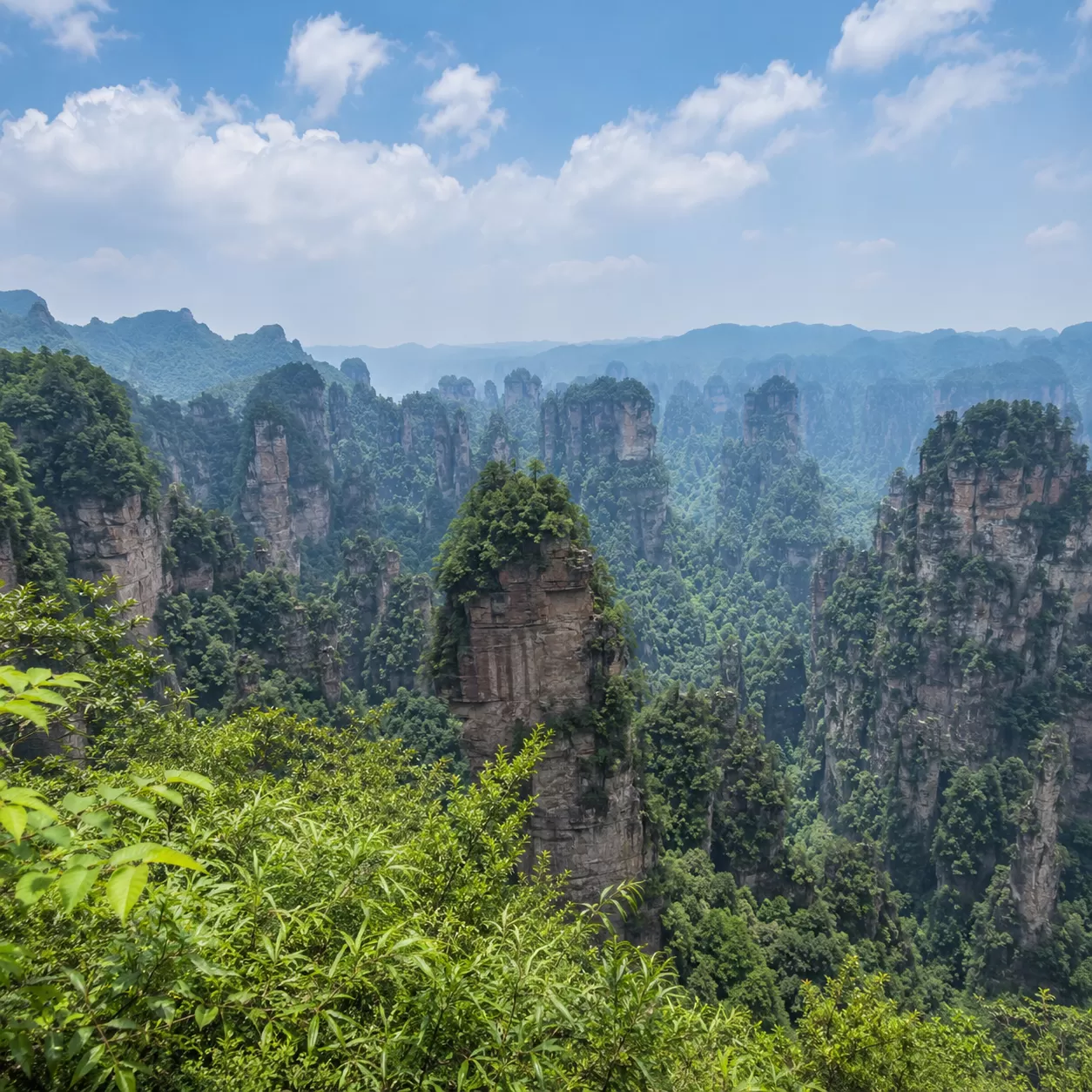
- Zhangjiajie National Forest Park: mist can look dramatic, but it can also hide the stone pillars
If you care most about clear viewpoints, I’d lean toward September to November. That said, light mist can create those classic Zhangjiajie scenes people see in photos, so some travelers actually like a little fog. For trip planning, I’d still check the Zhangjiajie weather forecast right before you go.
Crowds and peak travel months
Crowds are another major factor in Zhangjiajie tourism seasons. The busiest times are:
- July and August for summer travel
- Golden Week in early October
- Chinese holidays and school breaks
If you want to avoid crowds in Zhangjiajie, I’d do three things:
- Start early, before the big tour groups arrive
- Take less popular routes when possible
- Visit major spots in the late afternoon if your schedule allows
If you’re planning when to go to Zhangjiajie National Park, I’d avoid the biggest domestic holiday surges unless you’re okay with long lines and packed viewpoints.
Festivals and local culture
One upside to visiting during busier seasons is the chance to catch Zhangjiajie festivals and events. Local Miao celebrations and regional festivals can add a lot to the trip, especially if you want more than just scenery.
If cultural experiences matter to you, I’d look for:
- Miao ethnic festivals
- Local market days
- Seasonal village events around nearby scenic areas
These can make your trip feel more personal, especially if you’re pairing nature with culture.
Cost and budgeting by season
Prices move with the seasons, and that matters if you’re watching your budget.
- Peak season: flights, hotels, and some tours cost more
- Shoulder seasons: better value and easier booking
- Winter: often the best time for deals
For Zhangjiajie budget travel advice, winter usually gives the lowest hotel rates, and sometimes flights are cheaper too. The trade-off is colder weather and a higher chance of fog or ice-related disruptions.
Accessibility and travel logistics
Getting to Zhangjiajie is usually straightforward, but weather can affect travel plans.
Main things to keep in mind:
- Zhangjiajie Hehua Airport is the main air gateway
- High-speed rail makes arrival easier from major Chinese cities
- Heavy rain, fog, or winter ice can slow mountain transport
If you’re building a Zhangjiajie trip planning tips checklist, I’d leave buffer time in your schedule. That’s especially smart if you’re connecting through Tianmen Mountain or doing a tight itinerary around the best months to visit Wulingyuan.
Quick take
If I had to keep it simple:
- Best overall: September to November
- Best for deals: December to February
- Best for lush scenery: June to August
- Best for balanced weather: March to May
For most people, the best time to visit Zhangjiajie is fall, but the right answer really depends on whether you care more about clear views, lower prices, or fewer people.
Best Time to Visit Zhangjiajie by Season
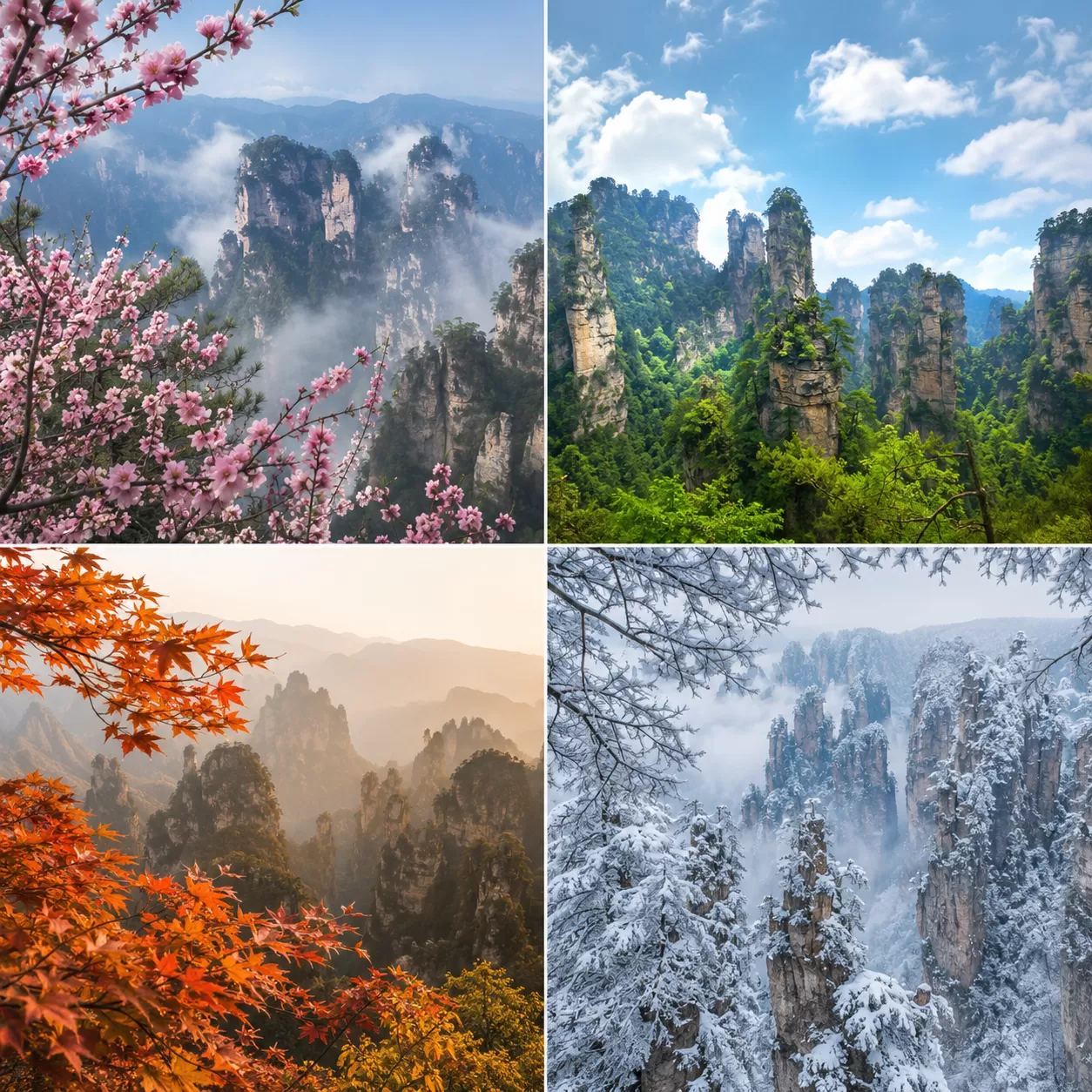
If I had to pick the best time to visit Zhangjiajie, I’d say autumn for most travelers. But the truth is, the right season depends on your weather tolerance, crowd preference, and what kind of trip you want. Zhangjiajie tourism seasons change a lot, and each one has a clear trade-off.
Spring in Zhangjiajie: March to May
Spring is one of the nicer Zhangjiajie travel seasons if I want mild weather and greener views.
Pros
- Comfortable hiking weather
- Fresh, blooming scenery
- Good visibility on many days
- Great for slower sightseeing
Cons
- Rain can show up often
- Trails and viewpoints can be slick
- Fog may block long views some mornings
Who it’s for
- First-time visitors who want a balanced trip
- Hikers who prefer moderate temps
- Travelers who don’t mind a little rain
What I’d pack
- Light layers
- A rain jacket or poncho
- Quick-dry shoes
- A small umbrella
Spring is a solid choice if I want a calmer Zhangjiajie climate guide experience without summer heat.
Summer in Zhangjiajie: June to August
Summer brings the most intense Zhangjiajie weather forecast conditions, but it also gives the park its deepest green color.
Pros
- Lush forests and strong waterfalls
- Best for water-heavy scenery
- Long daylight hours
Cons
- Hot, humid, and rainy
- Peak travel months for crowds
- National holiday surges can make lines long
Who it’s for
- Travelers who don’t mind busy parks
- Families on school break
- People who want bright, green landscapes
Heat-beating tips
- Start early, before the midday heat
- Visit viewpoints at sunrise or late afternoon
- Use cable cars and shuttle buses when possible
- Carry water and sunscreen
Summer is not my first pick for the best season for Zhangjiajie travel, but it can still work if I plan around the heat and crowds.
Autumn in Zhangjiajie: September to November
For me, this is usually the ideal time for hiking in Zhangjiajie and the easiest season overall.
Pros
- Clearer skies and better visibility
- Crisp air and cooler temps
- Autumn foliage in late season
- Lower crowds than summer
Cons
- Some holiday traffic can still spike
- Weather can turn cool fast in late fall
Who it’s for
- Most first-time travelers
- Photographers
- Hikers and nature lovers
- Anyone who wants the best balance of comfort and views
Autumn is also a smart time for Zhangjiajie trip planning tips because weather, scenery, and crowd levels usually line up well. If I want the most reliable Best months to visit Wulingyuan, this is where I’d start.
Winter in Zhangjiajie: December to February
Winter is the most underrated off-peak travel Zhangjiajie season. It’s cold, but it can be beautiful and cheaper.
Pros
- Snow and ice scenery
- Fewer visitors
- Lower hotel rates and sometimes better deals
- Good for a quieter trip
Cons
- Cold temperatures
- Fog can hide mountain views
- Some trails may be slippery
- Shorter days
Who it’s for
- Budget travelers
- Solo travelers who like quiet trips
- Return visitors
- Travelers okay with cold weather
Gear tips
- Thermal layers
- Gloves, hat, and scarf
- Waterproof shoes with grip
- Extra socks
I’d also keep a backup plan for indoor stops or local cultural visits, since winter travel to Zhangjiajie can be affected by fog and cold snaps.
Quick Season Pick
- Best overall: Autumn
- Best for mild weather: Spring
- Best for green scenery: Summer
- Best for savings: Winter
If I were booking a first trip, I’d aim for September to November first, then March to May as my second choice.
Best Time to Visit Zhangjiajie by Traveler Type
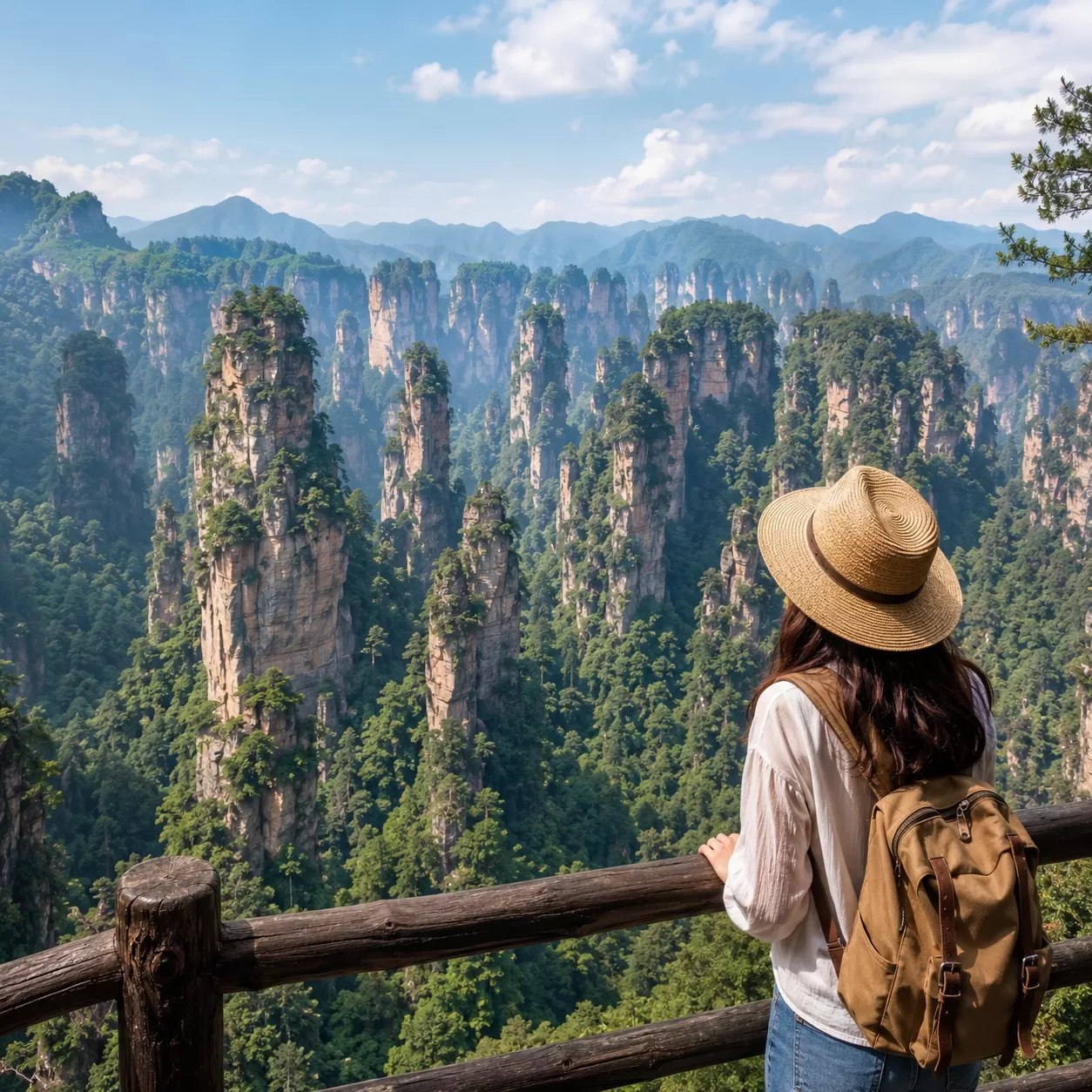
I usually break the best time to visit Zhangjiajie down by travel style, because the “right” season depends on what matters most to you. The Zhangjiajie weather forecast can change fast, so I plan around comfort, visibility, and crowd levels first.
First-Time Visitors and Families
If this is your first trip, I’d go in April–May or September–October. Those months usually give you the best mix of mild weather, decent visibility, and easier sightseeing.
Why it works:
- Cooler temps for walking and stair climbing
- Better odds of clear views at Wulingyuan and Tianmen Mountain
- Easier routes for kids and older travelers
- Less weather stress than midsummer or deep winter
Best approach:
- Use cable cars and shuttle buses where possible
- Start early to avoid the busiest viewing spots
- Keep your itinerary simple with 1–2 big sights per day
If I were traveling with family, I’d avoid the hottest part of July–August and the biggest holiday rush during Golden Week.
Adventure Travelers and Hikers
For hiking, I think the ideal time for hiking in Zhangjiajie is spring and autumn. Trails are more comfortable, and you avoid the worst heat and humidity.
Best hiking seasons:
- Spring: fresh scenery, steady weather, good for longer days outside
- Autumn: crisp air, cleaner views, and better trail comfort
Trail tips:
- Expect wet paths after rain
- Wear shoes with good grip
- Check closures before heading out, especially after heavy storms
- Build extra time into your day for fog delays or slow shuttle traffic
If you want more route planning help, a Zhangjiajie route guide style plan is useful for keeping hiking days realistic.
Photography and Nature Lovers
For photos, I’d focus on autumn foliage and the clearer days in spring and fall. That’s usually when the scenery looks sharpest and the mountain layers stand out best.
Best conditions for photos:
- Morning light after fog lifts
- Late afternoon golden hour
- Clearer air in September–November
- Misty conditions after light rain for dramatic shots
Best viewpoints to prioritize:
- Wulingyuan sandstone peaks
- Tianmen Mountain viewpoints
- Forest park overlook areas
- Sunrise and sunset spots with long sightlines
I’d also plan around the fact that fog can be a plus or a problem. It can create great mood, but it can also wipe out the far views fast.
Budget Travelers and Solo Travelers
If I’m trying to save money, I’d look at winter travel to Zhangjiajie or the shoulder months outside peak season. Hotel rates are often lower, and flights can be easier to find at better prices.
Budget strategy:
- Travel in December–February if you can handle cold weather
- Avoid July, August, and Golden Week
- Book early for train and flight deals
- Choose a simple base near the park or rail access
Solo travel tips:
- Keep one-day itineraries short and flexible
- Stick to main transport routes
- Share your plan with someone back home
- Avoid late returns if the weather looks rough
For U.S. travelers, I’d say the smartest Zhangjiajie trip planning tips are simple: pick the season that matches your pace, book early if you’re going in peak travel months, and keep one backup plan for fog or rain.
Zhangjiajie Trip Planning Tips
When I plan a trip to Zhangjiajie, I always think about the season first. The weather changes the whole experience, from packing to booking to how much time I spend outdoors. If I want a broader Zhangjiajie travel guide before I go, I also check a reliable Zhangjiajie overview and trip planning guide so I can map out the basics fast.
Pack for the weather
Zhangjiajie weather forecast can shift quickly, especially in the mountains.
- Spring: light layers, a rain jacket, and shoes with good grip
- Summer: breathable clothes, sun protection, insect repellent, and a hat
- Autumn: a light jacket, layers for cool mornings, and hiking shoes
- Winter: thermal wear, gloves, scarf, warm socks, and a windproof coat
My rule: always bring one extra layer, even in summer.
Book at the right time
For the best season for Zhangjiajie travel, I try to book early for spring and autumn.
- Book flights and hotels 1–3 months ahead for peak season
- Reserve even earlier if I’m traveling during July–August or Golden Week
- Look for winter deals if I want lower prices on hotels and tours
- Watch for holiday surges, because tickets can sell out fast
A lot of people run into peak pricing traps by booking too late, especially near school breaks and national holidays.
Stay safe in every season
I treat weather as a real travel factor, not just a side note.
- Summer: drink more water, avoid mid-day hiking, and use insect repellent
- Winter: watch for slippery paths, cold wind, and icy steps
- Year-round: carry basic meds, stay hydrated, and check local updates before heading out
If I’m visiting Zhangjiajie National Park, I keep an eye on trail conditions and the Zhangjiajie weather forecast before leaving the hotel.
Travel smarter and greener
I try to keep my trip simple and low-impact.
- Use public transport when possible
- Stick to marked paths and viewpoints
- Don’t litter or touch protected rock areas
- Choose smaller group tours when I can
- Bring a reusable water bottle and cut down on plastic
That approach helps with sustainable travel and also makes the trip easier to manage.
Quick season checklist
| Season | What I pack | What I watch for |
|---|---|---|
| Spring | Layers, rain gear, hiking shoes | Rain, muddy paths |
| Summer | Light clothes, hat, sunscreen, insect spray | Heat, humidity, crowds |
| Autumn | Jacket, layers, camera gear | Busy weekends, cool evenings |
| Winter | Thermal wear, gloves, boots | Cold, fog, ice |
If I want the best months to visit Wulingyuan, I usually aim for shoulder seasons and avoid last-minute holiday travel. That gives me better weather, better prices, and a calmer trip overall.