Overview of Tianmen Mountain
Looking for a breathtaking natural wonder with rich history and cultural significance? Tianmen Mountain, located in Zhangjiajie, Hunan Province, is one of China’s most iconic and awe-inspiring destinations. Famous for its dramatic cliffs, lush forests, and legendary stories, this mountain offers visitors an unforgettable experience.
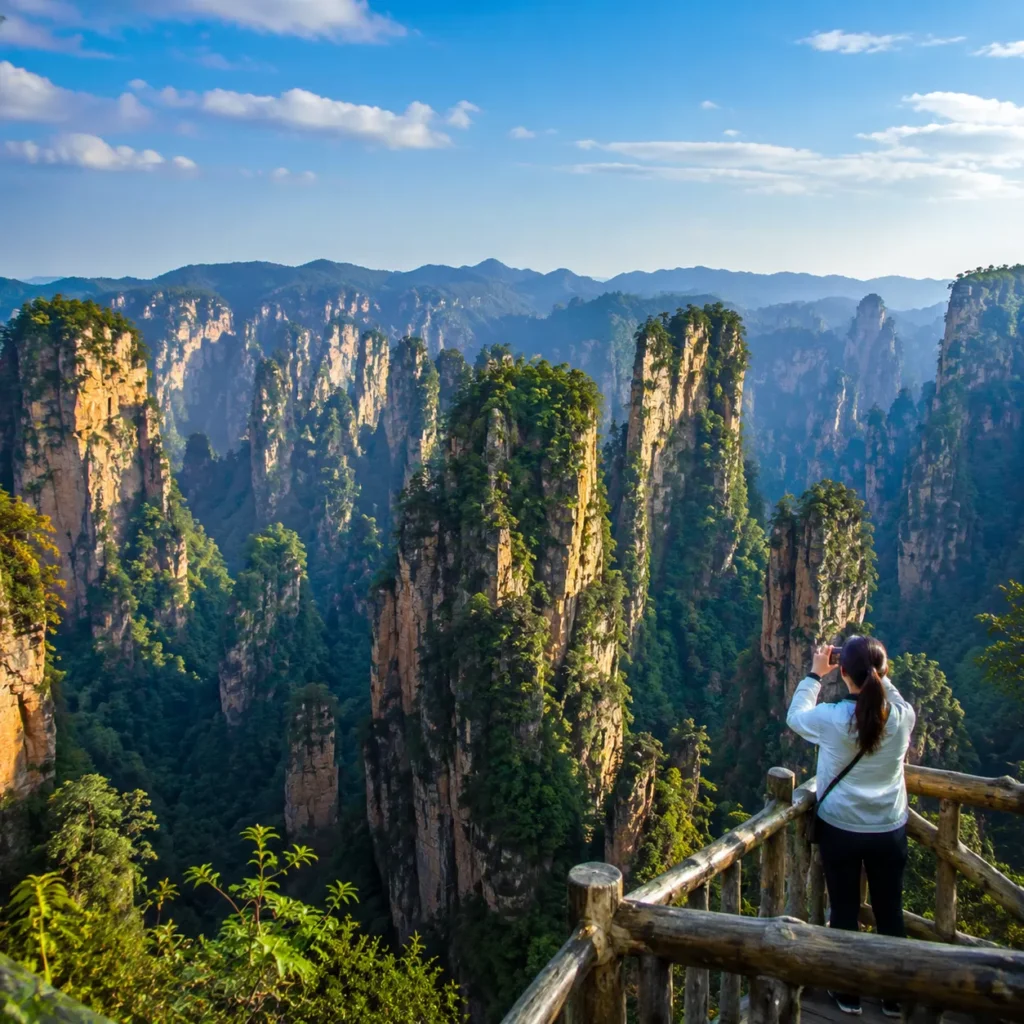
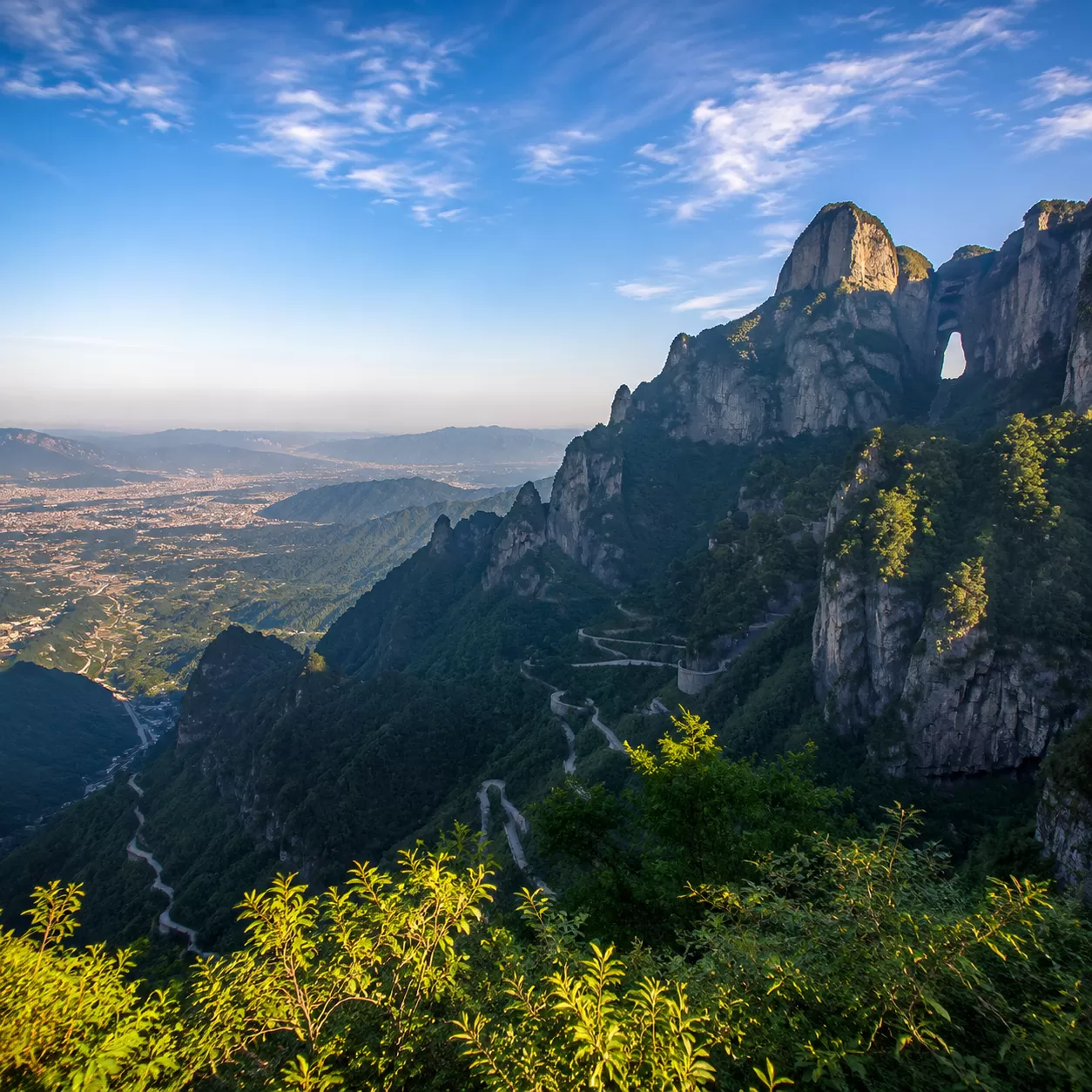
Nestled in the scenic landscape of Zhangjiajie, Tianmen Mountain stands out with its towering peaks and unique natural formations. It’s not just a place for stunning views but also a site steeped in history. The mountain has long been associated with Chinese legends and spiritual traditions, making it a culturally important landmark.
Tianmen Mountain is recognized for its natural beauty and ecological importance, earning protected status as part of China’s efforts to conserve its natural heritage. While it’s not officially a UNESCO World Heritage site, it’s designated as a protected scenic area, which means visitors can enjoy its pristine environment while helping to preserve its biodiversity and landscape. This status also ensures that tourism is managed sustainably, so travelers can experience the mountain’s wonders responsibly.
Key Attractions and Highlights of Tianmen Mountain
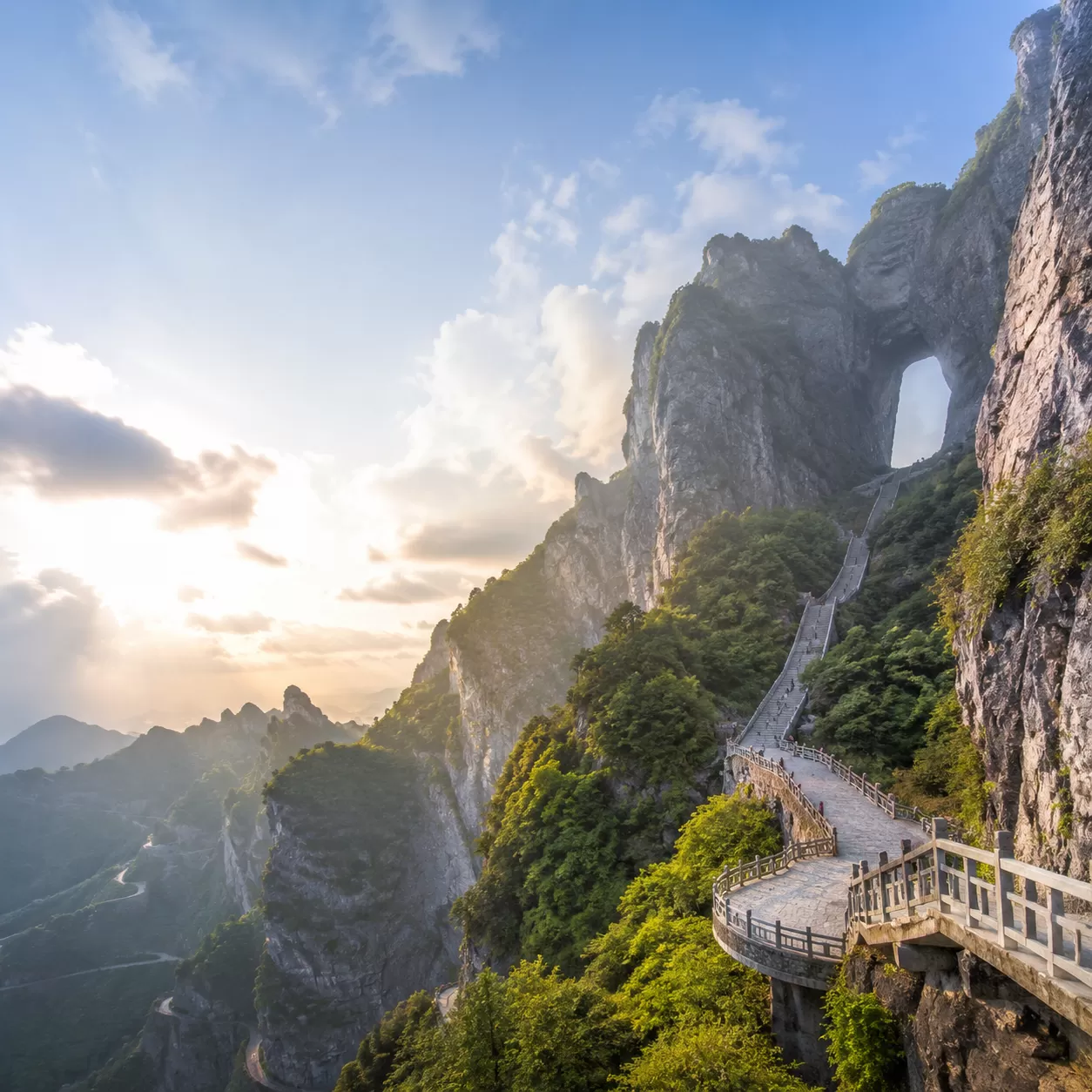
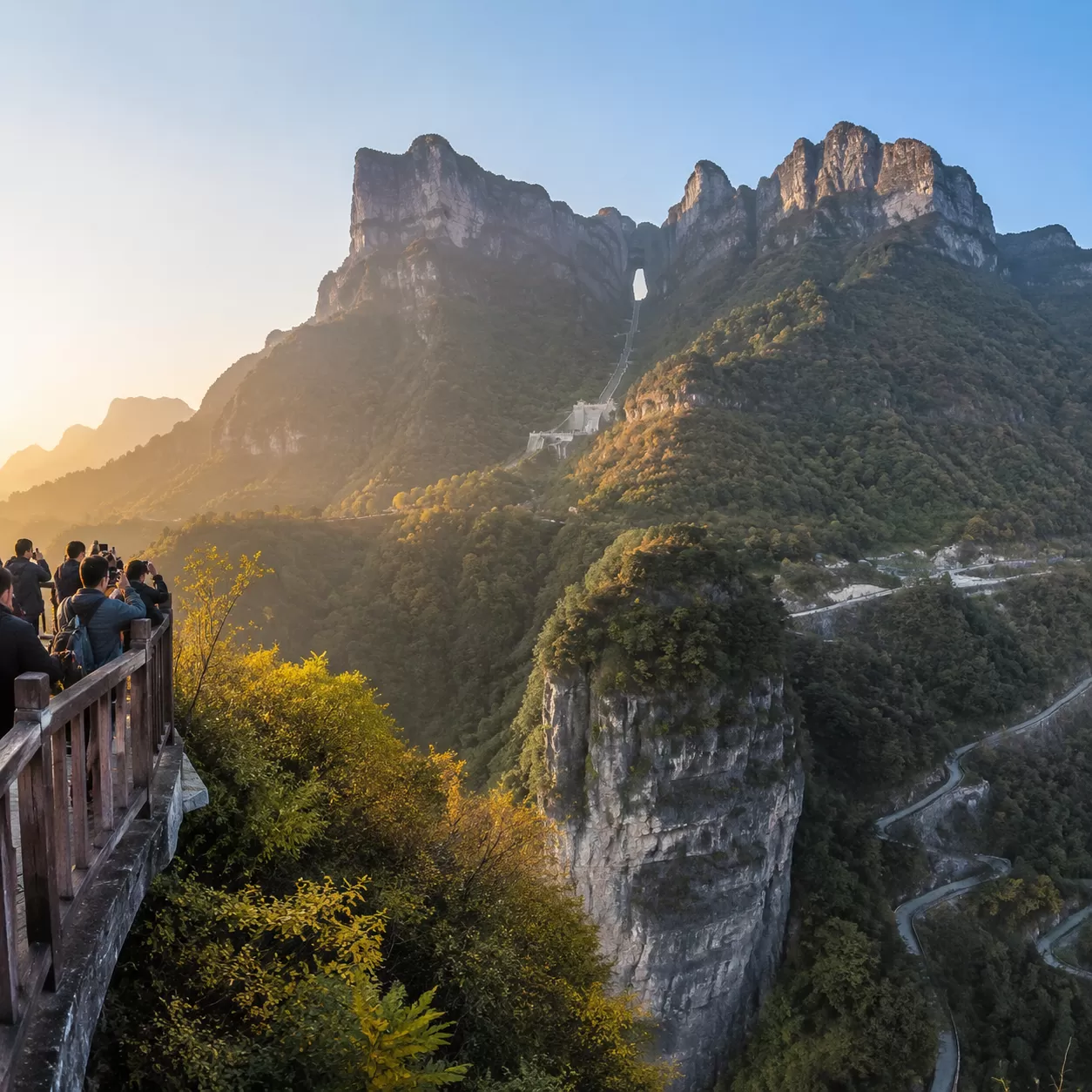
One of the most iconic features of Tianmen Mountain is the Tianmen Cave, also known as Heaven’s Gate. This natural arch is a breathtaking sight, standing about 131.5 meters high and 30 meters wide. It’s a must-see for visitors, offering stunning photo opportunities and a sense of awe at the mountain’s natural beauty. The cave has a rich history and cultural significance, often linked to local legends and spiritual stories.
For thrill-seekers, the glass skywalks are a top highlight. These cliff-edge walkways provide a heart-pumping experience, with transparent floors that let you look straight down to the forest below. They’re perfect for those who want to combine adventure with incredible views.
The Tianmen Mountain cable car is famous worldwide for its length and height. Stretching over 7,455 meters (about 24,460 feet), it takes visitors from the base to the summit in just 30 minutes. The ride offers panoramic views of the surrounding mountains and forests, making it one of the most scenic cable car experiences in China.
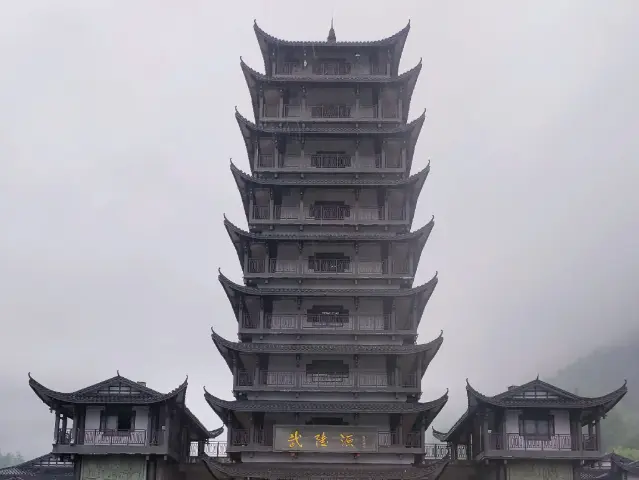
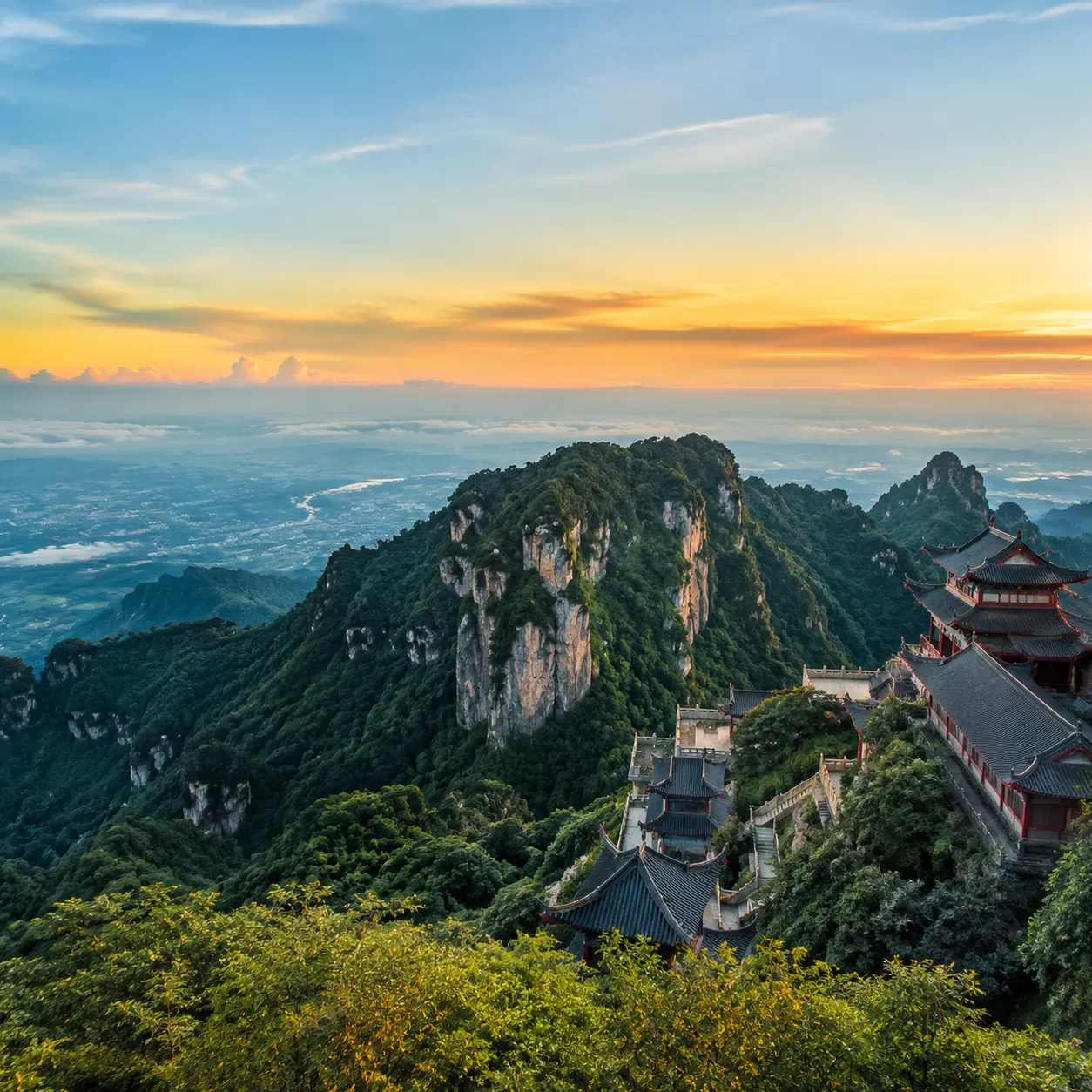
Cultural sites like Tianmen Temple and other stops along the mountain add a spiritual dimension to your visit. These temples are not only places of worship but also historical relics that reflect the mountain’s religious importance.
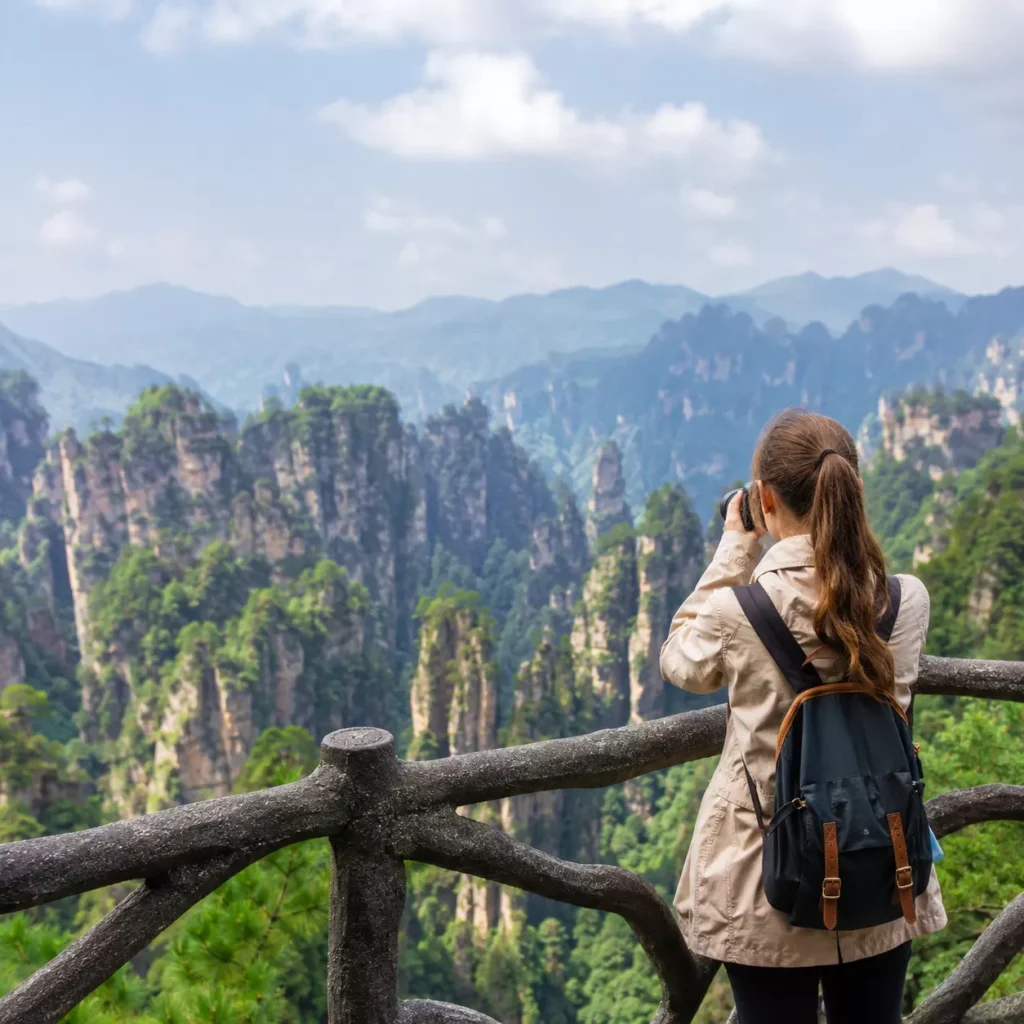
Lastly, the scenic forests, rich biodiversity, and various viewpoints make Tianmen Mountain a natural wonder. The lush greenery and diverse flora create a peaceful atmosphere, perfect for relaxing walks or photography. Whether you’re exploring the trails or enjoying the vistas from designated viewpoints, Tianmen Mountain offers a blend of natural beauty and cultural depth that’s truly unforgettable.
How to Get to Tianmen Mountain
Getting to Tianmen Mountain from Zhangjiajie city center is straightforward and offers several transportation options. The most popular way is taking the Tianmen Mountain cable car, which is famous for its stunning views during the ride. The cable car station is located about 15 kilometers from the city center, and the journey offers a scenic introduction to the mountain’s dramatic landscape.
Alternatively, you can hop on a local bus or join a guided tour that includes transportation. Many tour operators offer packages that handle everything from pickup to drop-off, making it easier for visitors to enjoy their trip without hassle. If you prefer a more flexible schedule, taxis or ride-hailing services are also available and can take you directly to the entrance.
For the best experience, plan your visit during the best seasons for clearer views and better weather, typically spring (April to June) and autumn (September to November). During these times, the skies are clearer, and the temperatures are more comfortable for sightseeing and hiking. Visiting outside of peak seasons can also help you avoid the crowds and enjoy a more peaceful experience on Tianmen Mountain.
Visiting Tianmen Mountain (On-the-Ground Plan)
Tickets, Entry Rules, and Fee Basics
Getting your tickets for Tianmen Mountain is straightforward, but prices can vary depending on the season and whether you include the cable car or access to certain attractions. Generally, ticket prices range from around 150 to 250 RMB (~$22–$36 USD). Keep in mind that some attractions, like the glass skywalks or special cable car routes, may have additional fees. Visitors should arrive early to avoid long lines, especially during peak seasons, and check the latest entry rules, which often include temperature checks and health declarations for safety reasons.
Recommended Full-Day Itinerary
To make the most of your visit, plan for a full day on Tianmen Mountain. Start early in the morning with the cable car ride—this is one of the most iconic experiences and offers stunning views as you ascend. Once at the top, explore Tianmen Cave (Heaven’s Gate), then walk along the scenic trails and visit cultural sites like Tianmen Temple. Save some time for the glass skywalks and the 999 Steps Path, which provides a thrilling hiking experience. Ending your day with sunset views from the mountain’s viewpoints can be truly unforgettable.
Crowd-Avoidance Strategies
Tianmen Mountain is popular, so timing is key to avoiding crowds. Aim to arrive right when it opens or later in the afternoon, especially during weekends or holidays. Weekdays tend to be quieter, and visiting during the shoulder seasons—spring and fall—offers better weather and fewer visitors. Booking tickets online in advance can also help skip long queues at the entrance.
Safety Precautions
Safety is important, especially on the glass walkways and steep paths. Always follow posted guidelines, stay within designated areas, and be cautious in bad weather, as rain or fog can make paths slippery and reduce visibility. If you’re afraid of heights, consider limiting time on the glass skywalks, and always wear sturdy, grip-friendly shoes. Weather can change quickly on Tianmen Mountain, so check the forecast before your visit and be prepared with rain gear or layered clothing for comfort and safety.
Tianmen Mountain Cable Car Experience
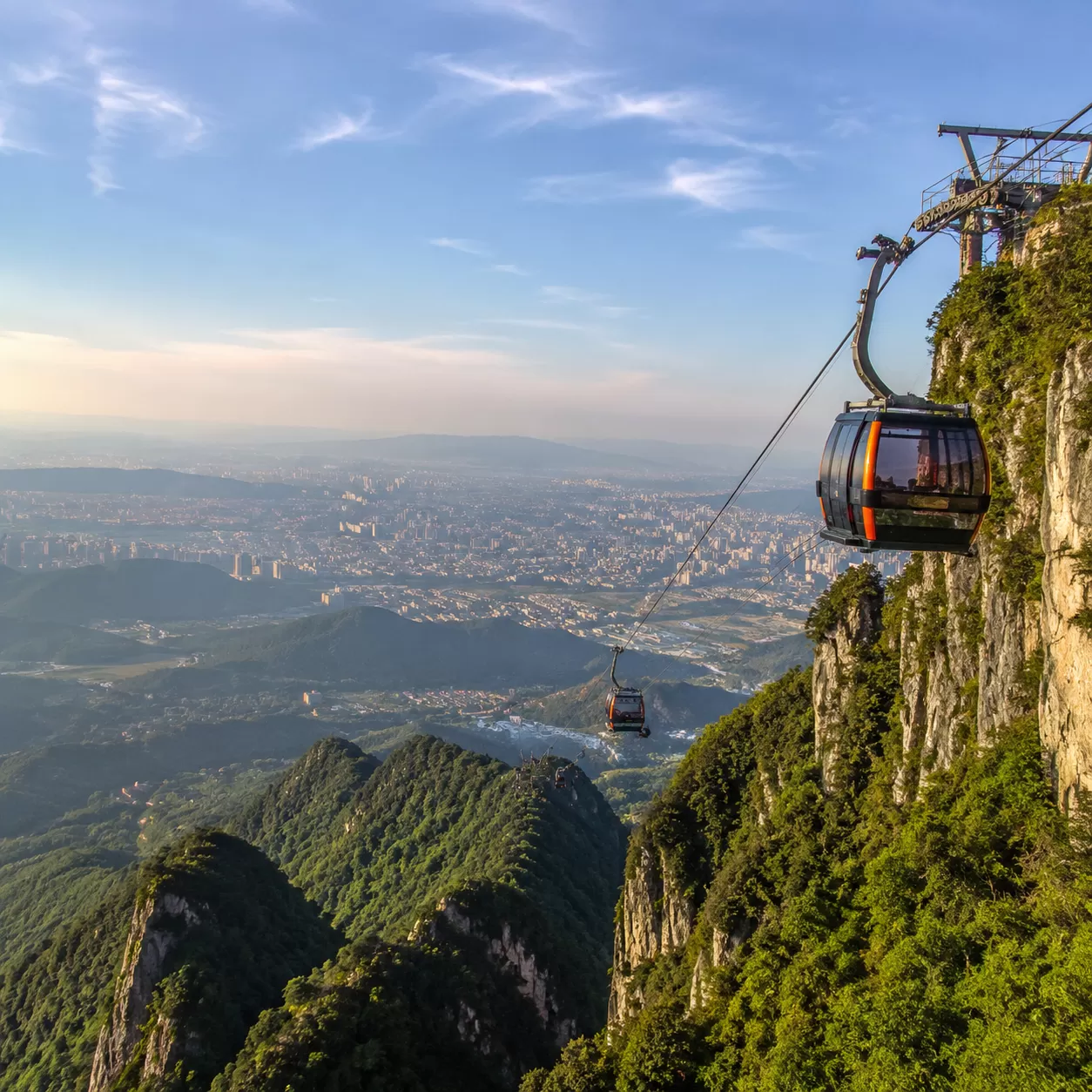
Riding the Tianmen Mountain cable car is one of the most unforgettable parts of visiting this iconic site. As you ascend, you’ll feel the thrill of climbing over 7.5 kilometers (about 4.7 miles) of scenic mountain terrain, with breathtaking views unfolding around you. The ride takes you high above lush forests and rugged cliffs, offering stunning panoramas of Tianmen Mountain’s natural beauty. On clear days, you’ll get sweeping views of the surrounding landscape, including distant mountains and dense greenery that seem to stretch forever. It’s truly a highlight for anyone interested in Tianmen Mountain sightseeing tips.
To make your cable car experience smoother, consider visiting early in the morning or later in the afternoon to avoid peak crowds. Lines can get long, especially during peak travel seasons, so arriving early helps you beat the crowds. If you’re prone to nausea or afraid of heights, try to sit in the middle of the cabin where the movement feels less intense. Remember to hold onto the handrails and avoid leaning against the glass for safety.
For the best photo moments, position yourself near the windows when the cable car is at its highest points — the views of the mountains and valleys below are spectacular. The ride itself offers plenty of opportunities for memorable photos, so keep your camera or phone ready. Once you arrive at the top, you’ll be rewarded with some of the most incredible viewpoints on Tianmen Mountain, perfect for capturing the natural wonder of this famous attraction.
Walks & Trails on Tianmen Mountain
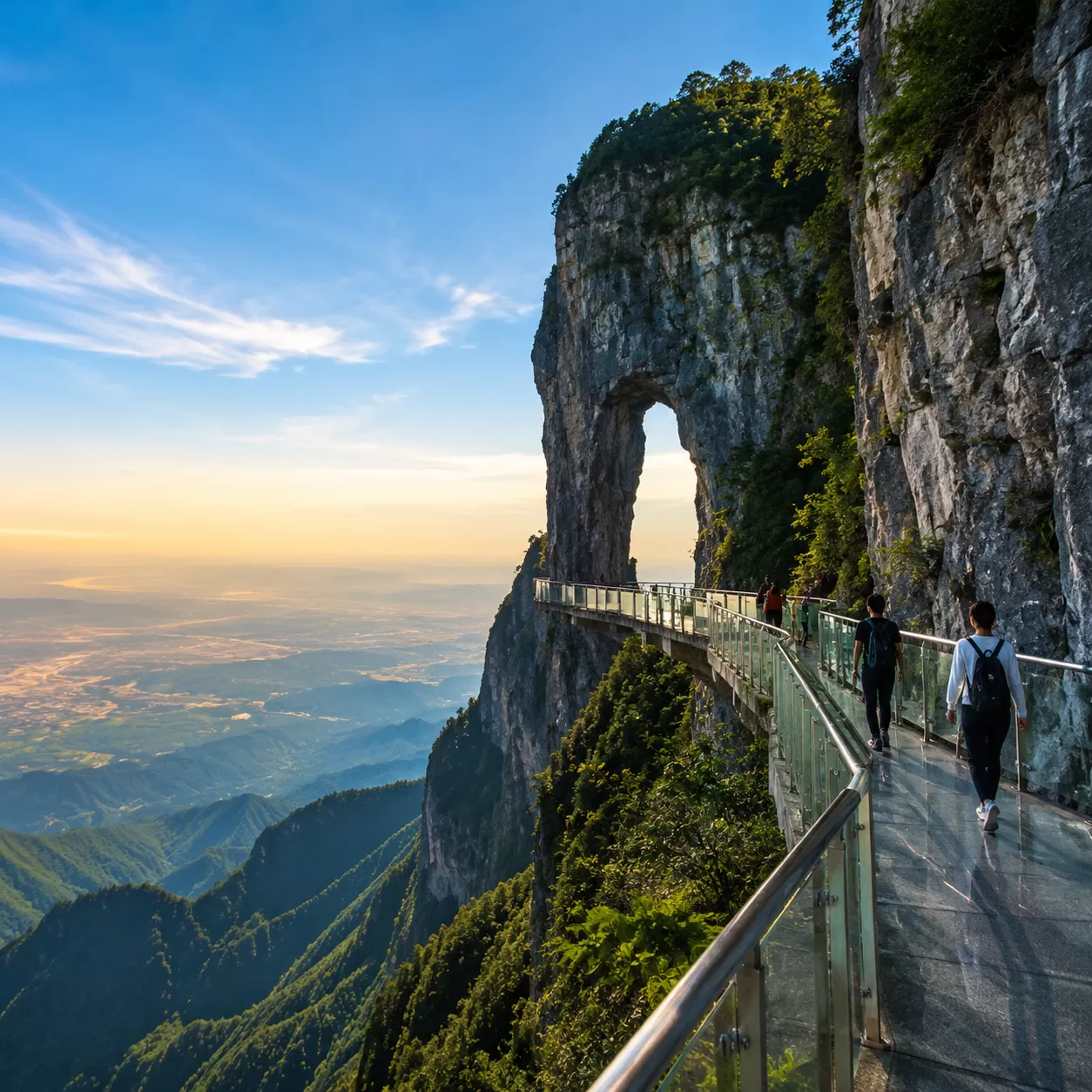
Tianmen Mountain offers a variety of walking trails and scenic routes that cater to different levels of adventure and fitness. One of the most famous attractions is the Glass Skywalk, which hugs the cliff edges and provides an adrenaline rush for thrill-seekers. The skywalk is a thin, transparent walkway that offers stunning views of the mountain’s rugged landscape, but it’s not for the faint of heart—expect a mix of excitement and fear as you step out over the abyss. Be sure to follow safety tips such as avoiding the walk during strong winds or rain to stay safe.
For those interested in hiking, the 999 Steps Path is a must-do. This iconic staircase is carved into the mountain and leads visitors up to the Tianmen Cave, also known as Heaven’s Gate. The climb is steep but rewarding, offering breathtaking views and a chance to experience the mountain’s natural beauty up close. Along the way, there are other popular hiking routes that wind through lush forests and scenic viewpoints, perfect for nature lovers.
Regarding accessibility, some trails and paths on Tianmen Mountain can be challenging for visitors with mobility issues due to steep sections and uneven terrain. However, there are alternative routes and cable car options that make it easier to enjoy the mountain’s highlights without strenuous walking. If you’re planning your visit, it’s a good idea to check the specific trail conditions and accessibility options beforehand to ensure a smooth experience.
Cultural and Historical Insights of Tianmen Mountain
Tianmen Mountain isn’t just about stunning scenery—it’s rich with legends and stories that have been passed down for centuries. One popular legend speaks of a heavenly gate that connects the earth to the sky, inspiring the name “Heaven’s Gate.” These stories add a mystical layer to the mountain’s natural beauty and attract visitors interested in Chinese folklore.
The mountain also holds significant religious importance. Temples like Tianmen Temple, which dates back hundreds of years, serve as spiritual sites for local worshipers. These temples are not only places for prayer but also house relics and artifacts that reflect the mountain’s spiritual history. Visiting these cultural sites offers a glimpse into traditional Chinese religious practices and the mountain’s role as a sacred space. Want to explore more about Chinese religious sites? Check out Dai Temple, a famous temple with deep cultural roots in the region.
Practical Tips for Travelers Visiting Tianmen Mountain

Planning your trip to Tianmen Mountain can make all the difference in having a smooth and enjoyable experience. Here are some practical tips to help you get the most out of your visit.
Best Time to Visit and What to Expect by Season
The ideal time to visit Tianmen Mountain is during spring (April to June) and fall (September to November). During these months, the weather is generally clearer, with milder temperatures and vibrant scenery. Summer (July and August) can be humid and crowded, while winter (December to February) offers a stunning snow-covered landscape but may bring colder temperatures and possible ice on walkways. Check the Tianmen Mountain weather forecast before planning your trip to ensure good visibility and safe conditions.
What to Wear and Bring
- Layers: Weather can change quickly, so wear layered clothing that’s easy to adjust.
- Rain gear: An umbrella or raincoat is essential, especially during the rainy season.
- Sturdy, grip-friendly shoes: The mountain has steep paths and uneven trails, so comfortable walking shoes are a must.
- Sun protection: Sunglasses, hats, and sunscreen are recommended on sunny days.
- Camera or phone: To capture the breathtaking views, especially at key viewpoints and on the glass skywalks.
How to Avoid Long Queues
- Buy tickets in advance: This can save you hours on busy days. Many visitors opt for guided tours that include skip-the-line passes.
- Arrive early or late: The mountain tends to be less crowded early in the morning or later in the afternoon.
- Plan your route: Start with popular attractions like Tianmen Cave and then explore less busy spots later in the day.
Food, Restaurants, and Basic Facilities
There are several restaurants and snack stalls near the mountain entrance and at various scenic spots. You’ll find local Chinese dishes, snacks, and bottled water. Restrooms and resting areas are available at key points, but facilities can be limited on some trails. Bringing some snacks and a refillable water bottle is a good idea, especially if you plan to hike or spend a full day exploring.
By following these practical tips, you’ll be better prepared for your visit to Tianmen Mountain, ensuring a safe and memorable experience.
Nearby Attractions & Excursions from Tianmen Mountain
If you’re visiting Tianmen Mountain, you’ll find plenty of exciting nearby attractions to explore. One popular option is a day trip to Zhangjiajie National Forest Park, famous for its stunning sandstone pillars that inspired the floating mountains in the movie Avatar. Many travelers bundle this scenic area into their itinerary because it offers a completely different landscape and is just a short drive away. You can experience breathtaking views, unique rock formations, and lush forests that make for fantastic photo opportunities.
Another must-see is the Avatar Mountains, a nickname for the towering sandstone formations that draw visitors from around the world. These iconic peaks are part of the larger Zhangjiajie scenic area and are perfect for those interested in scenic hikes or just soaking in otherworldly views. If you’re into cultural experiences, nearby villages like Baofeng Lake Village offer a glimpse into local life and traditional customs, making your trip more enriching.
Planning ahead with these nearby attractions can turn your visit into a full adventure. Whether you’re into natural beauty, cultural sights, or movies, Zhangjiajie’s surrounding areas have something for everyone. For a seamless experience, check out guides on how to get to these spots and make the most of your time exploring the stunning scenery beyond Tianmen Mountain.
Responsible Tourism & Preservation of Tianmen Mountain
Protecting Tianmen Mountain’s natural beauty is essential to ensure future generations can enjoy its stunning landscapes. Visitors should follow leave-no-trace principles, such as disposing of trash properly, staying on designated paths, and avoiding picking plants or disturbing wildlife. It’s important to respect the cultural sites and avoid damaging the temples or relics, especially at places like Tianmen Temple.
Site-specific guidelines also emphasize staying within marked trails and using designated viewing areas. This helps reduce erosion and environmental impact. When visiting popular attractions like the glass skywalks or Tianmen Cave, be mindful of safety rules and avoid overcrowding to prevent wear and tear on the infrastructure.
By practicing responsible tourism, we help preserve Tianmen Mountain’s unique biodiversity, scenic forests, and breathtaking viewpoints. Remember, every small action counts in keeping this natural wonder pristine for everyone to enjoy. For more tips on how to minimize your impact while exploring China’s famous scenic spots, check out how to be a responsible traveler.