Understanding Zhangjiajie’s Location and Transportation Hubs
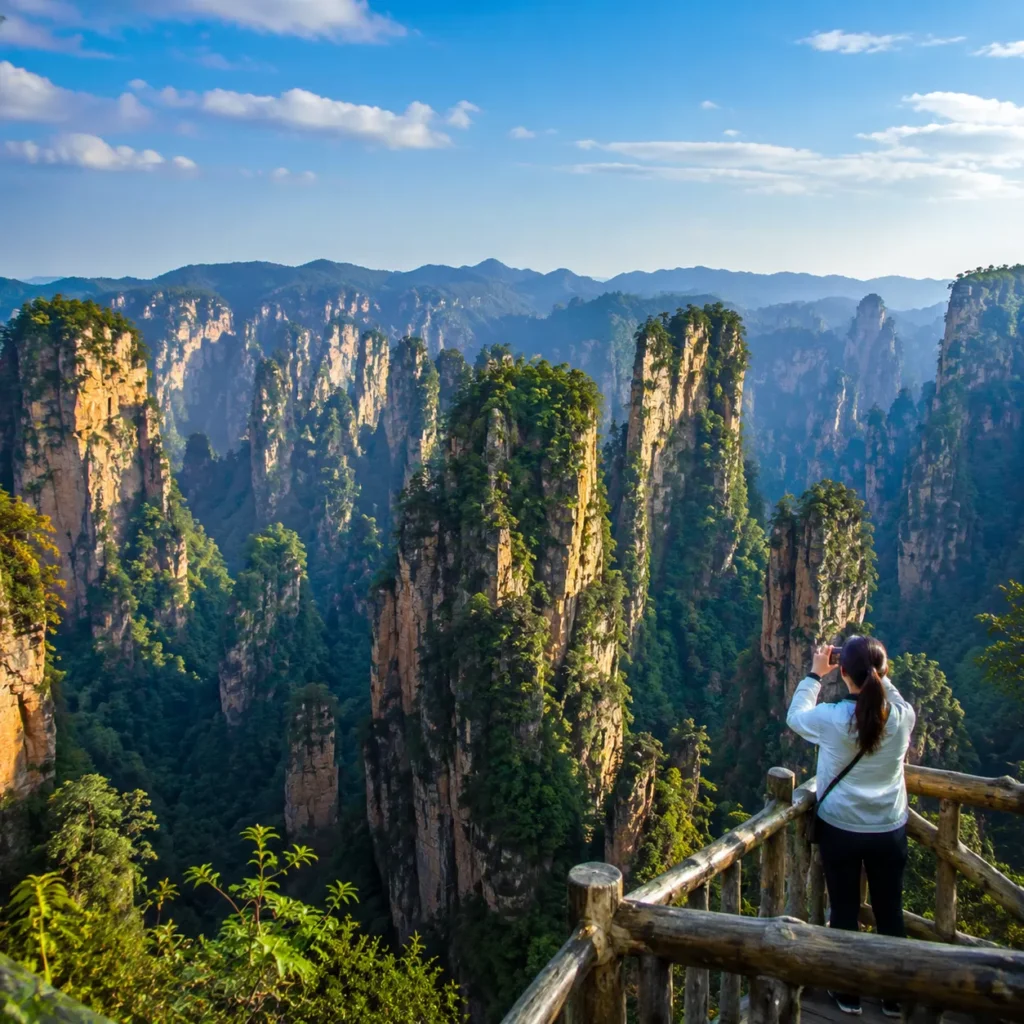
If you’re wondering how to get to Zhangjiajie, the first step is knowing where it sits and what transport options serve the area. Zhangjiajie is located in the northwestern part of Hunan Province, China. It’s famous for its stunning natural landscapes, including the iconic Zhangjiajie National Forest Park in the Wulingyuan Scenic Area. This positioning makes it a popular destination but also means planning your arrival carefully.
Geographic Positioning in Hunan Province
Zhangjiajie lies about 330 miles (530 km) northwest of Changsha, Hunan’s capital. It’s nestled in a mountainous region, which influences transportation routes and travel times. Because of its location, Zhangjiajie is best accessed through a combination of air, rail, or road travel from larger nearby cities.
Zhangjiajie Hehua Airport (DZH)
The main gateway for most travelers is Zhangjiajie Hehua Airport (DZH). This regional airport handles domestic flights and some connecting flights from major hubs like Beijing, Shanghai, Guangzhou, and Changsha. It’s conveniently located just 5 miles (8 km) from Zhangjiajie city center, making transfers quick and straightforward. If you prefer flying, this airport is your primary entry point.
Zhangjiajie Railway Station vs. Zhangjiajie West Railway Station
Zhangjiajie has two key train stations, and knowing which one to use can save you time:
- Zhangjiajie Railway Station is the older station, located closer to downtown. It mainly serves regular trains and some slower routes, ideal if you’re traveling on a budget or coming from nearby cities.
- Zhangjiajie West Railway Station is newer and handles most of the high-speed trains, connecting Zhangjiajie with cities like Changsha and Wuhan. High-speed trains offer a faster, more comfortable ride but may cost a bit more.
Nearby Major Transit Cities
Understanding the role of nearby cities helps when booking your trip:
- Changsha (Hunan’s capital) is the biggest hub nearby. It offers numerous flights, high-speed trains, and long-distance buses to Zhangjiajie. Many travelers fly or take a train to Changsha first, then transfer.
- Chongqing and Guangzhou are other major cities with strong air and rail connections to Zhangjiajie. They serve as important transfer points, especially for international travelers or those coming from southern or western China.
Knowing these hubs is key to planning smooth connections and finding the best routes for your schedule and budget.
This introduction sets the stage for your journey by clarifying Zhangjiajie’s location and transport options. In the next sections, the Zhangjiajie Travel Guide will break down how to get there by air, train, bus, or car, with practical tips for international travelers and first-timers.
How to Get to Zhangjiajie by Air (Flights to DZH)
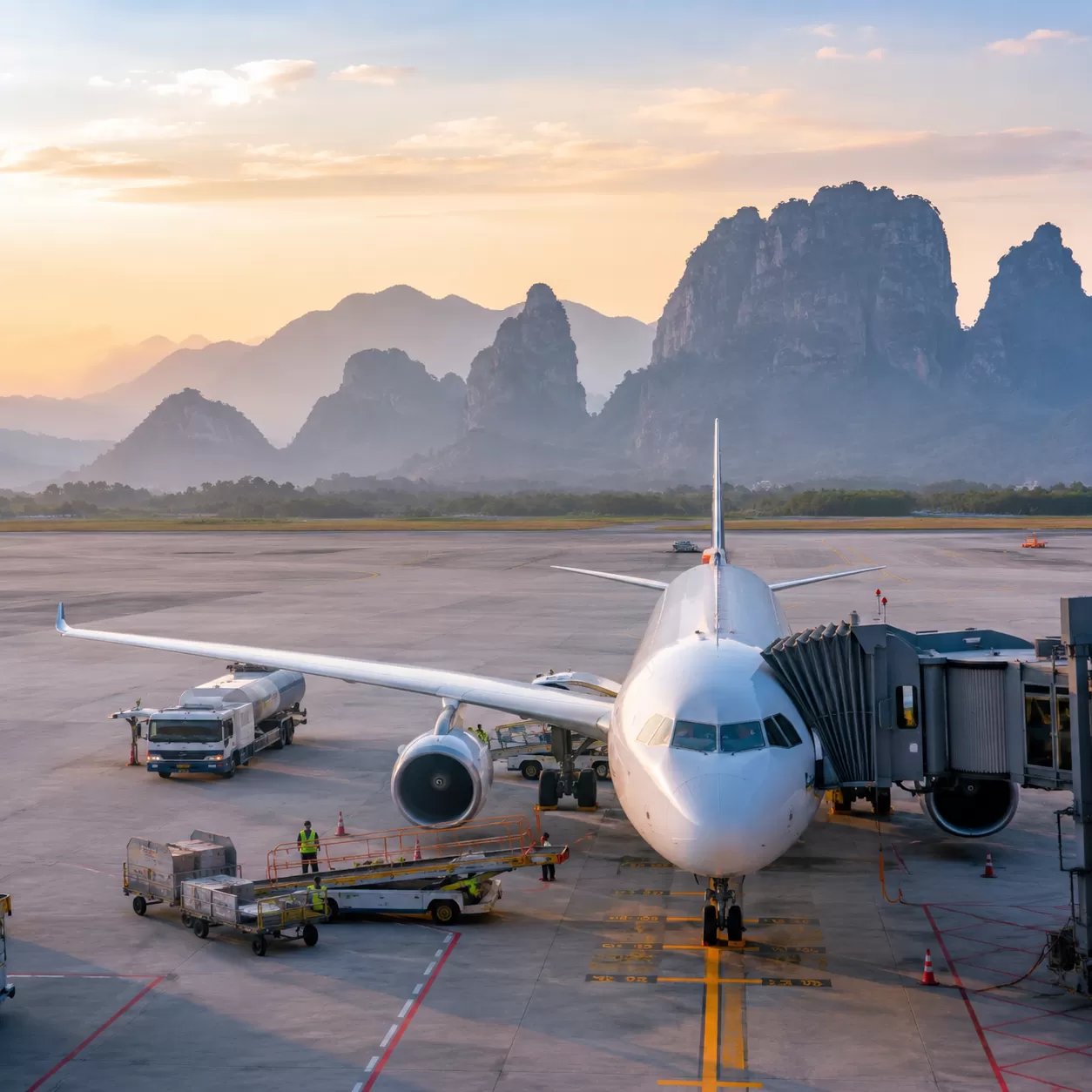
Zhangjiajie Hehua Airport (DZH) is the main gateway for air travelers heading to this stunning region. You can find direct flights to Zhangjiajie from major Chinese cities like Beijing, Shanghai, Guangzhou, and Changsha. Airlines such as China Southern, China Eastern, and Air China frequently operate these routes, with multiple flights daily depending on the season.
For international travelers, the easiest way to reach Zhangjiajie is by flying into major hubs like Guangzhou Baiyun International Airport (CAN), Changsha Huanghua International Airport (CSX), or Chongqing Jiangbei International Airport (CKG). From these hubs, you can catch a connecting domestic flight to DZH. This approach offers the smoothest transfers and the most flight options.
When booking flights, you can use airline websites directly or popular booking platforms like Ctrip or Expedia. Always check for baggage policies, flight times, and cancellation options before finalizing your purchase to avoid surprises.
Once you land at Zhangjiajie Hehua Airport, airport transfers are straightforward. Taxis and shuttle buses can take you to downtown Zhangjiajie city or directly to key scenic areas like Wulingyuan. The airport is about 30 minutes from the city center, making it convenient to start your adventure quickly.
Typical flight times to Zhangjiajie from major cities are:
- Beijing to Zhangjiajie: around 3 hours, with prices ranging from $120 to $200.
- Shanghai to Zhangjiajie: about 2.5 hours, costing roughly $100 to $180.
- Guangzhou to Zhangjiajie: approximately 1.5 hours, with fares near $80 to $150.
- Changsha to Zhangjiajie: a quick 45-minute flight, usually under $100.
For a smooth trip, plan your flights and transfers ahead, especially during peak travel seasons. For more details on visiting the area and timing your trip, check out this comprehensive Zhangjiajie travel guide.
How to Get to Zhangjiajie by Train (High-Speed + Regular)
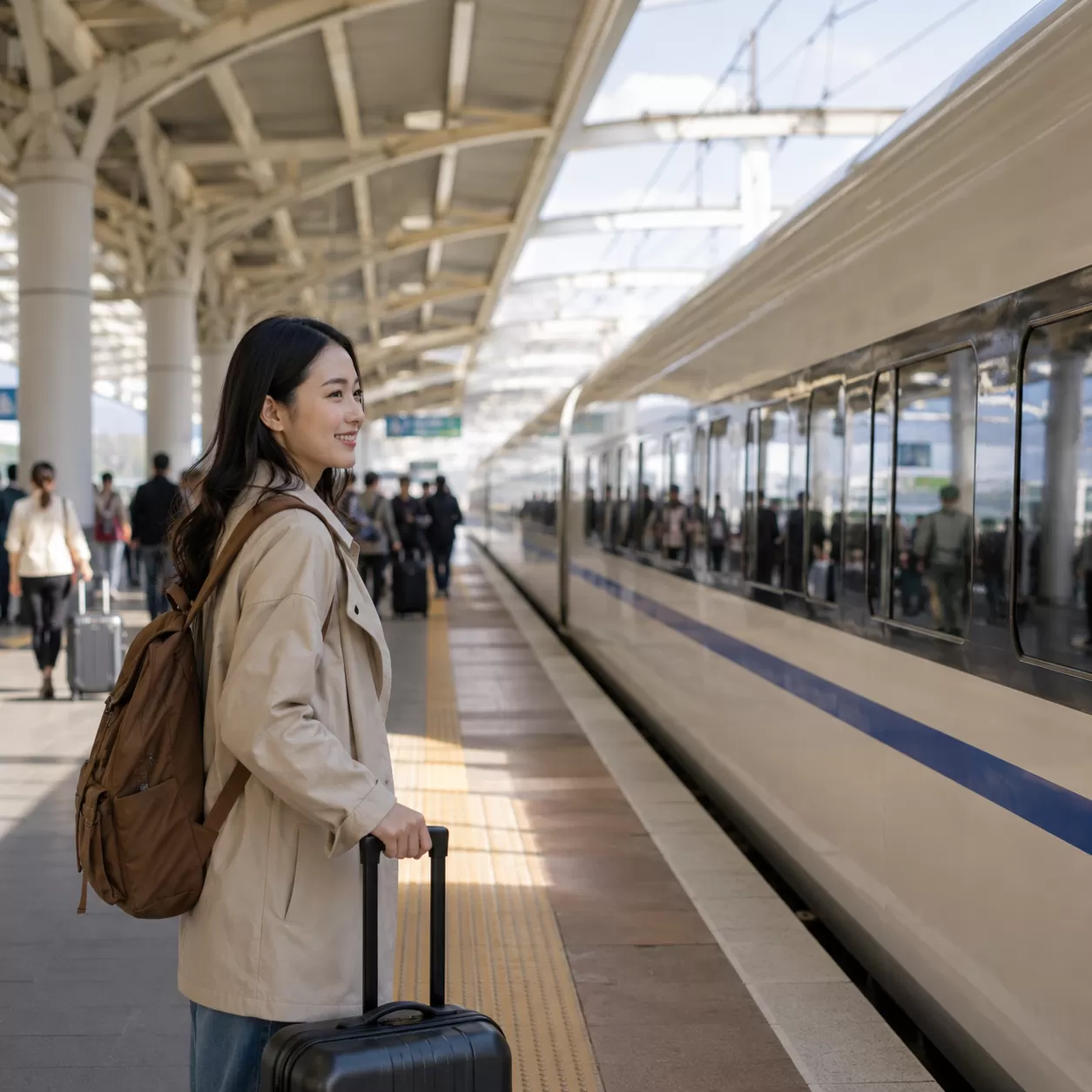
Zhangjiajie is served by two main train stations: Zhangjiajie Railway Station and Zhangjiajie West Railway Station. Choosing the right station depends on your route and travel preferences. The main Zhangjiajie Railway Station handles most regular and high-speed trains, while Zhangjiajie West is less busy and mainly serves some regional routes.
High-Speed vs. Regular Trains
High-speed trains to Zhangjiajie offer faster travel times, more comfort, and modern amenities but usually come at a higher price. Regular trains are cheaper but slower and less comfortable, often without air conditioning or reserved seating. For baggage, high-speed trains have more space and fewer restrictions, making them a better choice if you’re carrying luggage.
Popular Train Routes
- Changsha to Zhangjiajie: Frequent high-speed trains connect these cities in about 3-4 hours, making it one of the best routes for travelers.
- Wuhan to Zhangjiajie: Regular and some high-speed options take around 5-6 hours.
- Shanghai to Zhangjiajie: Mostly regular trains; travel time can exceed 10 hours, so consider breaking the trip.
- Guangzhou to Zhangjiajie: Both regular and high-speed trains are available, with travel times around 7-8 hours.
Booking Train Tickets
You can book tickets through official platforms like China Railway’s website or popular apps such as Ctrip and Trip.com. It’s best to book at least 1-2 weeks ahead, especially during holidays. Choose between seat classes: soft seat, hard seat, soft sleeper, or hard sleeper, depending on comfort and budget.
Travel Time and Costs
- High-speed trains typically cost more but save hours of travel time.
- Regular trains are the cheapest option but expect longer journeys.
- For example, Changsha to Zhangjiajie high-speed trains cost about $25-$40, while regular trains can be under $20.
Getting from Train Stations to Attractions
From either Zhangjiajie Railway Station or Zhangjiajie West Railway Station, local buses, taxis, and shuttles connect you to downtown, Wulingyuan, and other major scenic spots. Wulingyuan is about 30 minutes by car from the main station. Planning your local transport ahead helps you maximize sightseeing time.
For a detailed guide on exploring Zhangjiajie’s natural wonders, check out this comprehensive Zhangjiajie travel guide.
How to Get to Zhangjiajie by Bus / Long-Distance Coach
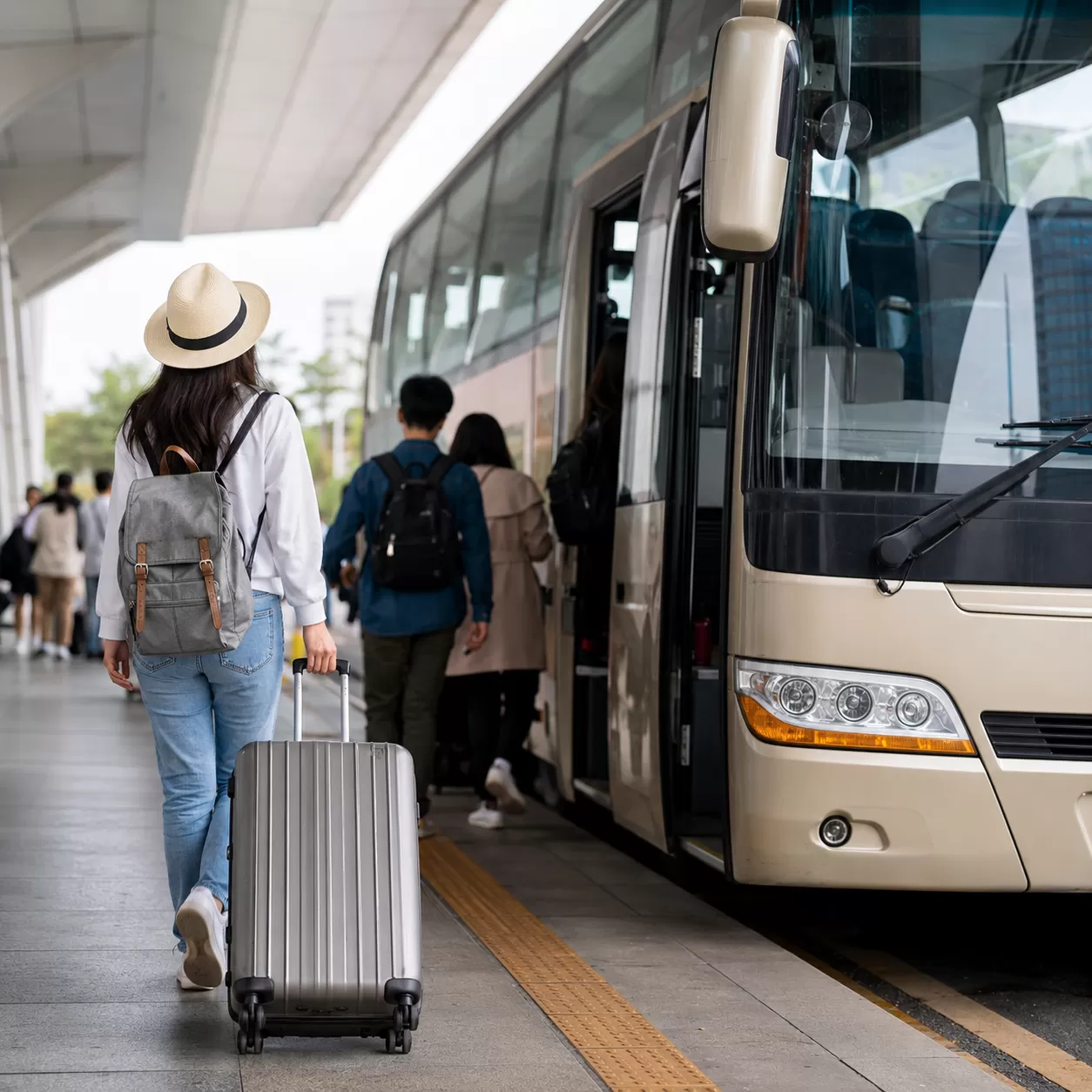
Taking a bus or long-distance coach to Zhangjiajie can be a smart choice if you’re on a budget or if train and flight options don’t line up with your schedule. Buses often fill gaps in transportation, especially for travelers coming from cities without direct flights or high-speed train connections.
Common Direct Coach Routes
You’ll find regular long-distance coaches to Zhangjiajie from major cities like Changsha, Chengdu, and Chongqing. These routes are popular because they connect key transit hubs with Zhangjiajie’s transport network, making it easier to plan your trip if you’re coming from southwestern or central China.
Finding Schedules and Buying Tickets
Bus schedules can vary, so it’s best to check online platforms or local bus station bulletin boards before you go. When buying tickets at the station, confirm the departure time, bus type (express vs. regular), and your seat number. Booking in advance is recommended during peak travel seasons to avoid sold-out trips.
Travel Times and Comfort
Expect longer travel times compared to trains or flights—buses from Changsha to Zhangjiajie typically take around 5 to 6 hours, depending on traffic and stops. Comfort levels vary by bus company, but most coaches offer air conditioning and reclining seats. Bring snacks and water for the journey.
Arriving by Bus: Last-Mile Transport
Once you arrive at Zhangjiajie’s bus station, local buses and shuttle services can take you downtown or to popular areas like Wulingyuan. Taxis are also readily available, but make sure to agree on a fare or insist on using the meter. For detailed tips on getting around Zhangjiajie after arrival, check out our Zhangjiajie local transport guide.
Using buses to reach Zhangjiajie is often the cheapest way to get there, especially if you’re flexible with time and want to save on travel costs without missing out on the scenic route.
How to Get to Zhangjiajie by Car (Self-Driving + Car Rental)
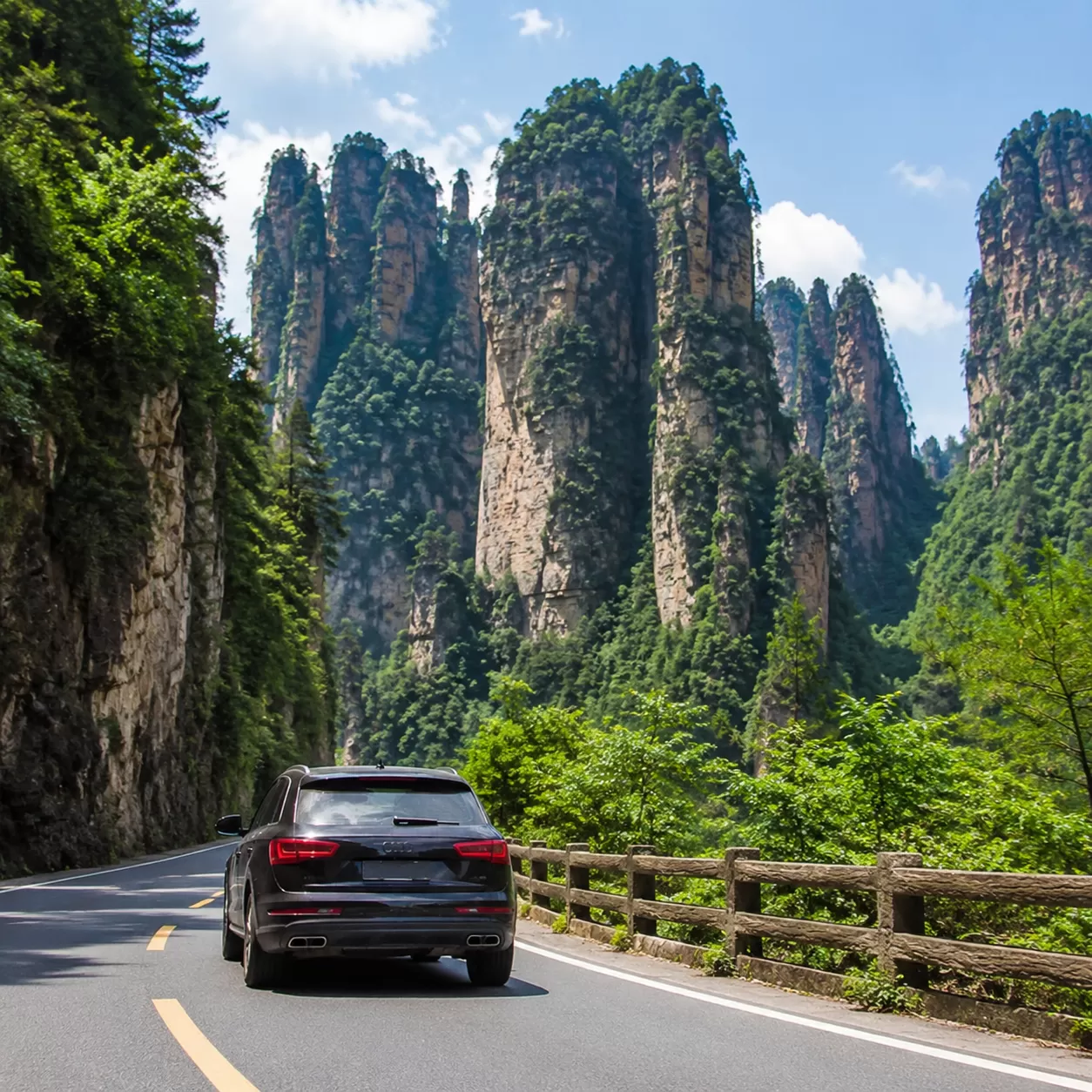
Driving to Zhangjiajie gives you flexibility and a chance to explore at your own pace. Here’s what you need to know about driving routes, car rentals, and parking.
Best Driving Routes from Nearby Hubs
- From Changsha: The drive is about 4 to 5 hours (around 320 miles) via the G5513 expressway. It’s a straightforward route with clear signage.
- From Chongqing: Expect a longer drive of roughly 7 to 8 hours (around 450 miles) mostly on expressways, including some mountainous stretches.
- Other starting points: Routes from cities like Guangzhou or Wuhan also connect via expressways but can take 6+ hours depending on traffic.
Road Conditions, Tolls, and Drive-Time Planning
- Roads are generally in good condition, especially on expressways, but mountain roads near Zhangjiajie can be winding and slower.
- Toll fees apply on most expressways; budget around $20-$40 depending on your route.
- Plan for breaks every 2-3 hours, especially on longer drives, to stay refreshed and safe.
Car Rental Basics
- You can rent cars at major airports like Changsha Huanghua International or in city centers.
- A valid driver’s license is required; international visitors should check if an International Driving Permit (IDP) or a Chinese license is needed.
- GPS navigation is essential—most rental cars come equipped, but apps like Baidu Maps or AutoNavi work well too.
- Book rentals in advance during peak travel seasons to secure the best rates.
Parking in Zhangjiajie
- City parking: Available but limited in busy areas; expect to pay a small fee.
- Near scenic spots: Parking lots exist at major attractions like Wulingyuan and Tianmen Mountain but can fill up quickly during peak times.
- It’s best to arrive early to secure a spot and avoid long waits.
Pros and Cons of Driving vs. Train/Flight
Pros:
- Freedom to explore off-the-beaten-path spots.
- No need to stick to public transport schedules.
- Convenient for groups or families with luggage.
Cons:
- Longer travel times compared to flights or high-speed trains.
- Navigating unfamiliar mountain roads can be challenging.
- Parking and traffic in tourist areas can be tough.
Who Should Drive?
- Travelers who value flexibility and plan to visit multiple scenic areas outside the main city.
- Those comfortable with driving in China’s varied road conditions and handling navigation apps.
For those who prefer public transport, trains and flights offer faster, more straightforward options to get to Zhangjiajie. But if you enjoy road trips and want to explore at your own pace, driving is a solid choice.
For more on bus options and travel routes, you can check out detailed guides on bus travel in China, which share useful tips that apply to regional travel like Zhangjiajie as well.
Transfers + Local Transportation in Zhangjiajie (Getting Around After You Arrive)
Once you arrive in Zhangjiajie, getting around to key spots like Zhangjiajie National Forest Park (Wulingyuan) and Tianmen Mountain is pretty straightforward but knowing your options helps.
How to Reach Zhangjiajie National Forest Park (Wulingyuan)
- From Zhangjiajie Hehua Airport, you can take a shuttle bus or taxi directly to Wulingyuan, about a 40-minute drive.
- From Zhangjiajie Railway Station or Zhangjiajie West Railway Station, local buses and taxis are available; taxis are faster but cost more.
- Many hotels in Wulingyuan offer pickup services if you arrange in advance.
How to Reach Tianmen Mountain
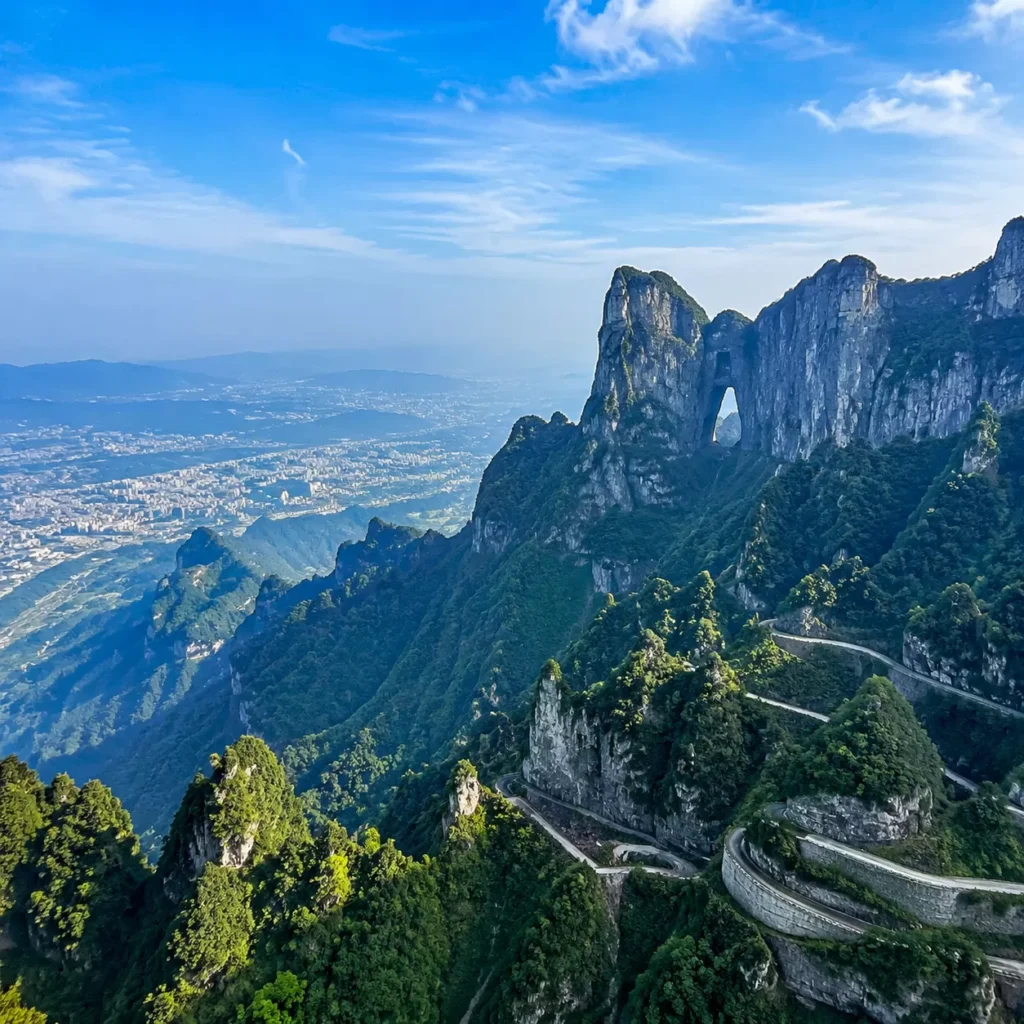
- Tianmen Mountain is closer to Zhangjiajie city center. From the airport or train stations, taxis or shuttle buses are your best bet.
- The cable car station for Tianmen Mountain is well connected by local bus routes and taxis.
- For detailed tips on Tianmen Mountain transfers, check out this Tianmen Mountain transportation guide.
Taxi vs. Shuttle vs. Local Buses vs. Private Car
- Taxis: Convenient and available 24/7. Expect fares around $10-$20 for airport or station to Wulingyuan or Tianmen Mountain. Best for groups or travelers with luggage.
- Shuttles: Cheaper than taxis, often run between airport/train stations and major hotels or scenic areas. Check schedules in advance.
- Local buses: Cheapest option but slower and less comfortable. Good for budget travelers familiar with routes.
- Private car rentals or drivers: Ideal if you want flexibility and comfort, especially for visiting multiple sites in one day.
Ride-Hailing Apps in Zhangjiajie
- Popular apps like DiDi work well here and are the easiest way to get a taxi or private car without language issues.
- Download DiDi ahead of time, set up payment (usually via international credit card or WeChat Pay/Alipay with help), and save key addresses in Chinese.
Language + Communication Tips for Transport
- Always have your hotel address and destination names written in Chinese characters or saved as screenshots on your phone.
- Key phrases to know: “Take me to…” (请带我去… Qǐng dài wǒ qù…), “How much?” (多少钱? Duōshǎo qián?), and “Stop here, please” (请在这里停 Qǐng zài zhèlǐ tíng).
- Don’t hesitate to show addresses to drivers—they often don’t speak English well.
Getting around Zhangjiajie is manageable with these options, and planning your transfers ahead will save you time and hassle. For a broader look at transportation options in China, you might find this transportation guide useful.
Suggested Itineraries Based on How You Arrive
If You Fly into Zhangjiajie
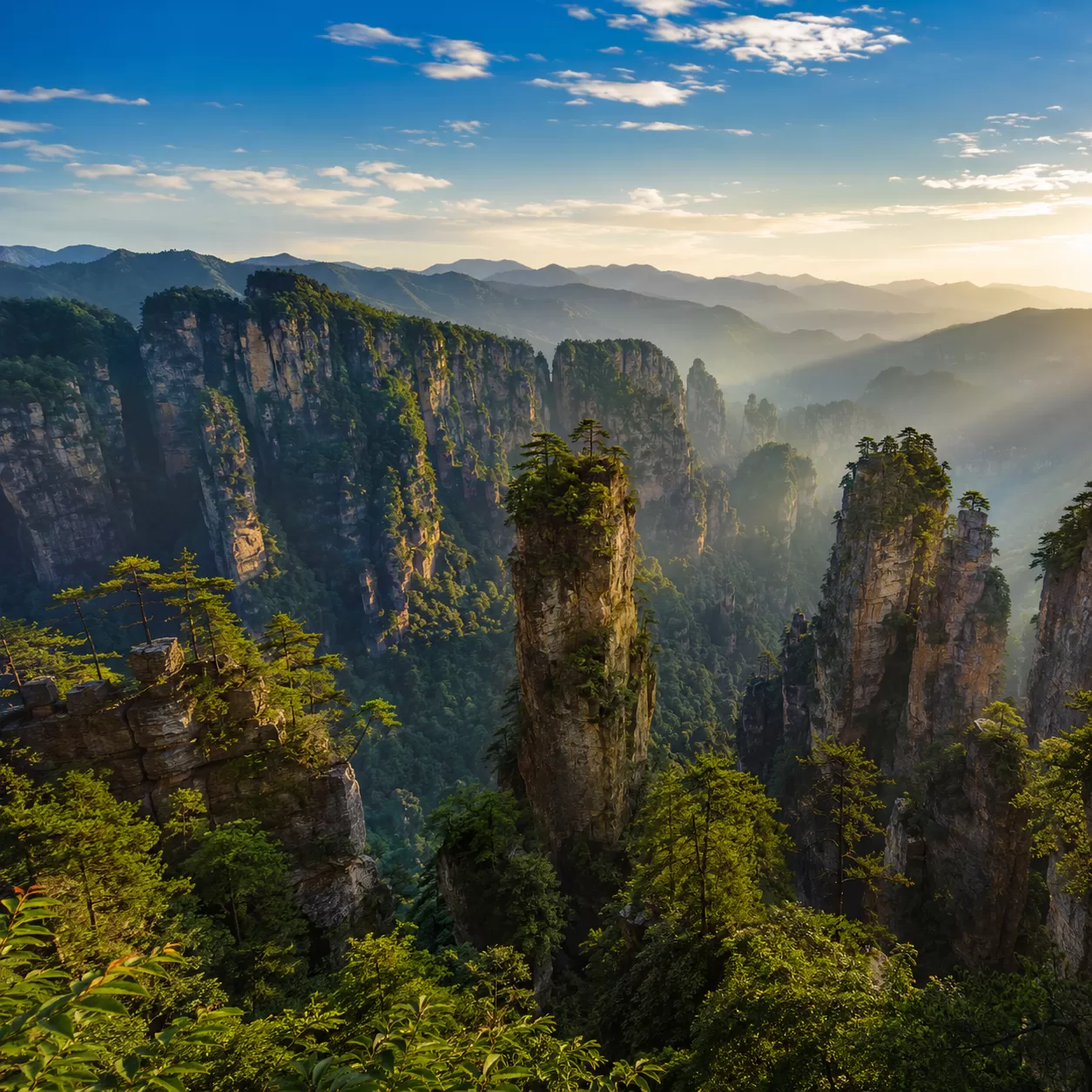
Landing at Zhangjiajie Hehua Airport (DZH) puts you just a short ride from the city center and key attractions. After collecting your bags, grab a taxi or airport shuttle to your hotel — most downtown spots are within 30 minutes. To kick off your trip, head straight to the Zhangjiajie National Forest Park area, especially Wulingyuan, which is easily accessible from the airport. This gets you into the heart of the stunning landscapes without wasting time. For a smooth start, plan to rest briefly before exploring, or take a quick visit to nearby scenic spots like the Jade Emperor Peak guide if you have the energy.
If You Arrive by Train
Zhangjiajie Railway Station and Zhangjiajie West Railway Station serve different routes, so your arrival point matters. From either station, taxis and local buses can get you to downtown hotels or directly to tourist sites. After checking in, consider a relaxed first stop such as the South Heaven Gate, a popular gateway into the park’s natural wonders, with convenient transit options nearby. Booking your hotel close to public transport can save time and make your stay more comfortable. Train arrivals often mean you’re well rested, so you can dive into sightseeing right away.
If You Arrive by Bus or Car
Long-distance coaches and self-driving travelers often arrive a bit more fatigued, so plan for an easy first day. After settling into your hotel, take it slow with a short visit to the nearby Dai Temple or stroll through the city center. If you’re driving, familiarize yourself with parking near your accommodation and the main attractions. Public transport or taxis are handy for reaching Wulingyuan or Tianmen Mountain without extra stress. Prioritize rest to stay energized for the days ahead, especially if you’ve been on the road for many hours.
No matter how you get here, having a clear plan for your first day helps you make the most of your Zhangjiajie trip. For detailed travel tips and guides on must-see spots, check out the full Zhangjiajie travel guide.
Tips + Important Things to Know Before You Go
Best Time to Travel to Zhangjiajie
The best time to visit Zhangjiajie is during spring (April to June) and autumn (September to November). These seasons offer pleasant weather, fewer crowds, and smoother Zhangjiajie transportation options. Summer can bring heavy rains that may delay flights and trains, while winter might see some closures of mountain roads or scenic spots due to snow and ice.
Health and Safety While Traveling
- Night Arrivals: If you arrive late, arrange airport transfers or hotel pickups in advance to avoid confusion.
- Mountain Roads: Roads to places like Tianmen Mountain can be steep and winding. Drive carefully or use local shuttles if you’re not comfortable driving.
- Weather Changes: Weather can shift quickly in mountainous areas, so pack layers and waterproof gear.
Booking Tips for Flights and Trains
- When to Buy: Book flights to Zhangjiajie Hehua Airport and train tickets at least 2-3 weeks ahead, especially during holidays.
- How to Compare: Use airline sites and trusted booking platforms to check prices and schedules. Confirm baggage policies and transfer times before paying.
- Avoid Scams: Buy tickets only from official sources or reputable agencies. Beware of unofficial resellers offering “last-minute” deals.
Language and Culture Tips for Transport
- Tickets and Lines: Carry your ID or passport at all times for ticket checks. Lines can be long at busy stations, so patience helps.
- Communication: Have your destination addresses written in Chinese characters or saved on your phone to show drivers or ask for help.
- Local Apps: Popular ride-hailing apps like Didi require a basic setup but are very useful in Zhangjiajie.
Visa and Customs for International Travelers
If you’re flying into Zhangjiajie via major hubs like Changsha or Guangzhou, make sure your visa and customs paperwork are in order. Allow extra time for connections and customs checks, especially during peak travel seasons. Planning ahead helps ensure a smooth journey to Zhangjiajie’s stunning landscapes.
For more tips on navigating mountainous destinations, check out our detailed travel guides like the Mount Tai travel guide that cover weather and transport advice.