What Makes Jinan Roast Duck Different?
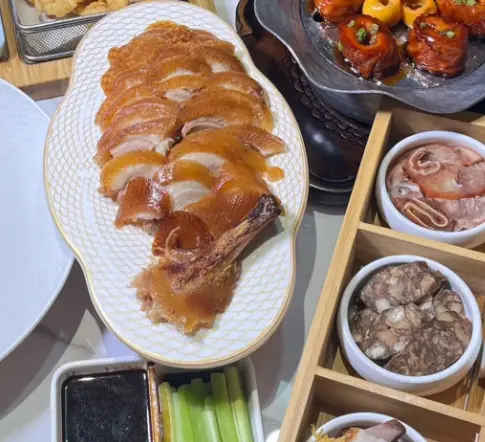
If I am looking for Jinan roast duck, I expect a style that feels firmly rooted in Shandong Lu cuisine: savory, balanced, and built around clear duck flavor. It is not just another traditional Chinese roast duck dish. In Jinan, the focus is on the skin, the meat, and the way the duck is served for a simple, satisfying meal.
Why It Stands Out
| Feature | What I Expect |
|---|---|
| Flavor | Clean, savory, and rich without feeling too heavy |
| Texture | Crispy duck skin with juicy, tender meat |
| Serving style | Carved duck with spring pancakes (Chunbing) and dipping sauces |
| Local feel | A practical, everyday part of Jinan local food and Lu cuisine dining |
What Travelers Notice First
-
- Shandong Lu cuisine fit: The taste is direct and food-focused, which is a big part of Shandong food specialties.
- Roast duck in Shandong: The duck is meant to be eaten as a full meal, not just as a luxury dish.
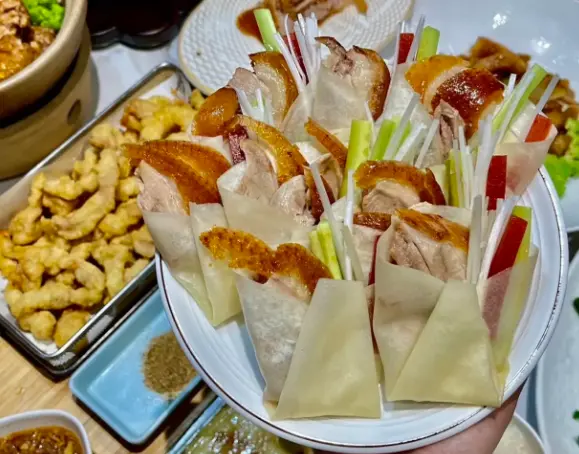
- Duck wrap style: I can build each bite with pancakes, sweet bean sauce (Tianmianjiang), scallions, cucumber, and carved duck meat.
- Simple but bold: The flavor stays balanced, so the skin, meat, and sauces all stay easy to taste.
For me, that is the real appeal of Jinan culinary travel: the dish feels local, practical, and easy to enjoy while still delivering the classic depth people want from Lu cuisine.
Jinan Roast Duck History
Shandong roots
-
- I see Jinan roast duck as part of the wider Shandong Lu cuisine tradition, where balance, clean flavor, and careful roasting matter most.
- It fits the local food culture because Lu cuisine values technique and a strong sense of place, not just bold seasoning.
- Compared with many traditional Chinese roast duck styles, the Jinan version feels more tied to everyday local dining and the broader cultural history of Jinan cuisine.
Why it matters in Jinan
-
- Roast duck became part of Jinan dining because it matches what many travelers want from Jinan local food: something classic, filling, and rooted in local taste.
- For me, that makes it a useful stop in any Jinan culinary travel plan, especially when I want to experience roast duck in Shandong with an authentic Lu cuisine feel.
- When I plan a Jinan travel guide, I treat this dish as one of the clearest ways to understand the city’s food identity.
How Jinan Roast Duck Is Made
Traditional open-oven roasting, known locally as gualu, is the hallmark of Jinan roast duck. This method involves hanging the duck in an open flame oven, allowing the heat to circulate evenly around the bird. The open design helps achieve a perfectly crispy skin while maintaining the meat’s juiciness.
Crispy duck skin is the result of a precise roasting process that involves controlling the oven temperature and airflow. The skin is often brushed with a special glaze or malt sugar before roasting, which helps it turn a deep, golden-brown and develop a satisfying crunch.
The secret to keeping the meat juicy and savory lies in the traditional technique of slow roasting at the right temperature. This method ensures the fat renders slowly, tenderizing the meat without drying it out. The result is a dish with tender, flavorful meat wrapped in irresistibly crispy skin.
In local kitchens, open-oven roasting is preferred for its ability to produce a more even and crispy finish. Some restaurants may use closed-oven techniques, but the open-oven method remains the gold standard for authentic Jinan roast duck, delivering the distinct texture and flavor that visitors seek.
How to Eat Jinan Roast Duck Like a Local
Eating Jinan roast duck like a local is simple once you know the essentials. When served, the table usually includes spring pancakes, sweet bean sauce, scallions, and cucumber. These ingredients are the key to creating authentic duck wraps that highlight the dish’s rich flavors.
To build a proper duck wrap:
– Start with a spring pancake as the base.
– Spread a thin layer of sweet bean sauce for sweetness and depth.
– Add carved duck meat and crispy duck skin—the skin is prized for its crunch.
– Top with scallions and cucumber for freshness and balance.
Locals often use the duck skin and carved meat separately or together, depending on personal preference. The crispy skin is enjoyed for its texture, while the tender meat provides savory richness. Combining these with the sauces and vegetables creates a harmonious bite that’s both flavorful and satisfying. Mastering this simple technique makes you feel like a true Jinan local, savoring the authentic Lu cuisine experience.
What to Order With Jinan Roast Duck
When enjoying Jinan roast duck, the right accompaniments can elevate the experience. A popular follow-up dish is duck bone soup, which uses leftover bones to create a rich, savory broth that complements the crispy duck skin perfectly. This soup is a staple in local dining, adding depth and warmth to your meal.
Side dishes and local add-ons are equally important. Common options include pickled vegetables, which provide a tangy contrast, and stir-fried greens to balance the richness of the duck. Many restaurants also serve spring pancakes (Chunbing) with sweet bean sauce (Tianmianjiang), scallions, and cucumber, allowing you to build a traditional duck wrap.
What Pairs Well with Roast Duck
-
- Duck bone soup for a comforting finish
- Pickled vegetables for a refreshing bite
- Spring pancakes with sweet bean sauce, scallions, and cucumber for authentic flavor
- Stir-fried greens or other light vegetables to balance richness
These accompaniments highlight the flavors of the roast duck and are essential for a true Jinan culinary experience. For more insights on local dishes, explore the Jinan food guide, which offers detailed tips on regional specialties.
Where to Eat Jinan Roast Duck in Jinan
Finding authentic Jinan roast duck isn’t hard if you know where to look. The best neighborhoods for genuine Lu cuisine are around Furong Street and Kuanhouli Alley. These areas are packed with trusted local restaurants that serve traditional roast duck prepared in the classic open-oven (gualu) style. Look for places with a reputation for quality, where the duck skin is crispy, and the meat stays juicy.
What to Look for in a Real Lu Cuisine Restaurant
-
- Authentic cooking methods: Open-oven roasting with visible wood or charcoal fires.
- Traditional dishes: Duck served with spring pancakes (Chunbing), sweet bean sauce (Tianmianjiang), scallions, and cucumber.
- Clean, welcoming atmosphere: Locally popular spots often have a steady flow of regular customers.
- Local recommendations: Ask locals or check online reviews for trusted spots.
Trusted Local Spots Near Major Sights
-
- Near Black Tiger Spring, several renowned restaurants serve authentic Jinan roast duck.
- Around Daming Lake, you can find places that combine scenic views with excellent Lu cuisine.
- For a casual street food experience, explore the food stalls along Furong Street and Kuanhouli Alley, where you’ll find quick, delicious duck wraps and other local snacks.
| Area | Highlights | Tips |
|---|---|---|
| Furong Street | Street food, casual eateries | Try duck wraps from street vendors |
| Kuanhouli Alley | Historic ambiance, small restaurants | Look for busy spots with locals |
Knowing where to find trusted local restaurants makes your culinary journey easier and more authentic. These neighborhoods offer the best chance to enjoy Jinan roast duck prepared just like the locals do, making your food experience truly memorable.
Jinan Roast Duck Dining Tips for Travelers
To enjoy authentic Jinan roast duck without stress, timing is key. Visit restaurants during off-peak hours, typically early lunch or late dinner, to avoid crowds and get a more relaxed experience. Many local spots are busy during peak times, so plan accordingly.
Ordering can be tricky if you don’t speak Chinese. Look for simple food phrases like “Peking duck” (北京烤鸭) or “roast duck” (烤鸭). Bringing a photo of the dish or menu items can help staff understand your order—especially at smaller, traditional restaurants.
For those with dietary restrictions or allergies, it’s good to know that the pancakes (springbing) and sauces, such as sweet bean sauce (甜面酱), are common ingredients. If you’re sensitive to certain flavors or ingredients, ask if they can prepare a version without spicy or allergenic components. Many places are happy to accommodate if you communicate clearly.
By following these tips, you’ll have a smoother, more enjoyable experience savoring Jinan roast duck—an essential part of local Lu cuisine.
Jinan Roast Duck and Local Sightseeing
If I plan a Jinan dining itinerary, I like to keep Jinan roast duck close to the main sights. The best setup is a dinner stop near Black Tiger Spring, then a slow walk to Daming Lake or through the city at night. It keeps the evening easy, local, and low-stress.
Best Food Stops Near Black Tiger Spring
-
- I look for local Jinan restaurants that serve real Lu cuisine dining and have clear roast duck service.
- A good spot should feel busy with locals, not just travelers.
- For a simple Jinan food guide, this area works well because it makes dinner and sightseeing fit together.
Easy Evening Plan
-
- Eat roast duck before peak night-walk hours.
- Keep the meal close to Black Tiger Spring food spots so I do not waste time moving around.
- After dinner, head to Daming Lake or take a relaxed night walk nearby.
- This is the easiest way I fit roast duck in Shandong into a short city visit.
FAQ About Jinan Roast Duck
Is Jinan roast duck the same as Beijing roast duck?
Not exactly. While both are celebrated Chinese roast duck styles, Jinan roast duck is rooted in Shandong Lu cuisine, featuring a different preparation method and flavor profile. Unlike Beijing roast duck, which is known for its crispy skin and sweet bean sauce, Jinan roast duck often emphasizes a savory, slightly less sweet taste with unique regional techniques.
What is the best sauce for the duck wrap?
Sweet bean sauce (Tianmianjiang) is the classic choice for building a traditional duck wrap in Jinan. It pairs perfectly with the crispy duck skin and carved meat, creating a balanced flavor. Many locals also enjoy adding scallions, cucumber, and spring pancakes (Chunbing) for a complete, authentic experience.
Is roast duck in Jinan spicy or sweet?
Jinan roast duck typically leans toward a savory flavor, with a focus on crispy skin and juicy meat. It’s not usually spicy or overly sweet, but the sauces and accompaniments can add subtle sweetness or mild spice depending on the restaurant. For a more authentic Lu cuisine experience, expect a well-balanced, savory dish.
Can I find authentic Lu cuisine restaurants near central Jinan?
Yes, many trusted local restaurants serve authentic Lu cuisine, especially around popular areas like Furong Street and Kuanhouli Alley. These spots often specialize in traditional dishes like Jinan roast duck and duck bone soup, making them ideal for a genuine culinary experience. For a curated list, consider exploring local food guides or asking locals for their favorites.
What is the best time of day to eat roast duck in Jinan?
Dinner is the most popular time, especially during peak dining hours when restaurants are lively. However, many places also serve roast duck during lunch, offering a great way to enjoy the dish in a more relaxed setting. To avoid crowds, visiting slightly outside peak hours can enhance your dining experience.