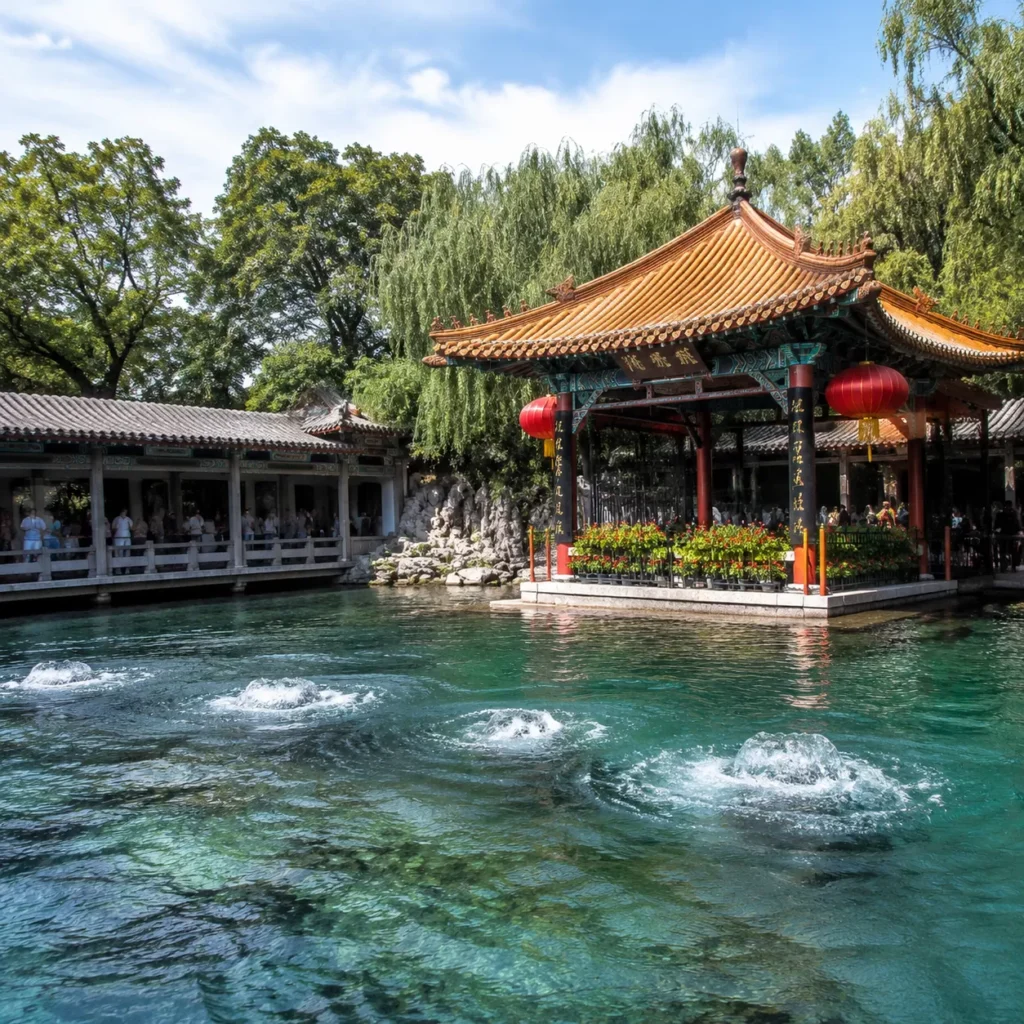
If you’ve been looking for a Jinan travel guide that goes beyond the usual tourist checklist, you’re in the right place.
Jinan is China’s City of Springs, and in 2026 it’s one of the country’s most rewarding off-the-beaten-path destinations. From the first bubbling spring at Baotu Spring to a lazy boat ride on Daming Lake, this city has a way of surprising you.
In this guide, you’ll get the essentials: when to go, how to get around, what to eat, where to stay, and which sights are truly worth your time.
So if you want a practical, up-to-date trip plan that actually helps you enjoy Jinan, let’s dive in.
Planning Your Jinan Travel – When to Go, How to Get There, and Where to Stay
Starting your Jinan trip on the right foot means knowing the best time to visit, how to get there, and where to stay. Let’s break down each part so you can plan with confidence.
Best Time to Visit Jinan (Spring, Autumn, and Shoulder Seasons)
Jinan shines brightest during spring and autumn. Spring (March to May) offers clear springs and blooming flowers—perfect for spring photography. Autumn (September to November) brings mild weather and colorful foliage, making it ideal for sightseeing. Shoulder seasons are also good options—less crowded and still pleasant.
Avoid the peak heat of summer and the cold of winter if you want comfortable weather for exploring. Summer (June to August) can be hot and humid, while winter (December to February) is chilly, but if you enjoy winter scenery or hot springs, it can still be worth a visit.
How Long to Stay in Jinan
- First-time visitors: 2 to 3 days is enough to see the main attractions like Baotu Spring, Daming Lake, and Thousand Buddha Mountain.
- Repeat travelers: 4 to 5 days allow for exploring lesser-known springs, museums, and even a Mount Tai day trip.
Peak Season vs Off-Season
- Peak season: Spring and autumn weekends see more crowds at popular spots like Baotu Spring and Quancheng Square. Book accommodations early if visiting during these times.
- Off-season: Winter and mid-week periods tend to be quieter and cheaper, with fewer tourists and more relaxed sightseeing.
Weather Tips for Sightseeing
- Spring & Autumn: Mild temperatures, light layers recommended.
- Summer: Bring sun protection, stay hydrated, and plan indoor visits during peak heat.
- Winter: Dress warmly, especially if you plan to visit outdoor springs or hike Thousand Buddha Mountain.
Getting to Jinan Yaoqiang International Airport
- Domestic routes: Many Chinese airlines fly directly from Beijing, Shanghai, Guangzhou, and other major cities.
- International routes: Limited but growing, with flights mainly from Asia and some seasonal options from Europe and the Middle East.
High-Speed Train Options
Traveling by high-speed train is fast and convenient:
- From Beijing: Around 3 hours via the Beijing-Shanghai high-speed line.
- From Shanghai: Approximately 6 hours.
- From Qingdao: Just 1 to 2 hours, perfect for a day trip.
- Other cities: Check China Railway for routes from Zhengzhou, Xi’an, and more.
Long-Distance Bus Routes
Buses are a budget-friendly option, especially from nearby cities like Qingdao and Tai’an. They’re useful if you’re traveling from smaller towns or want a scenic ride, but they’re slower than trains.
Best Routes for US, UK, Australia, and Europe Travelers
- Fly into major hubs: Beijing Capital International Airport or Shanghai Pudong Airport, then take a high-speed train or domestic flight to Jinan.
- From Europe or Australia: Usually involves a layover in Beijing or Shanghai before catching a train or domestic flight.
Using the Jinan Metro
- Main lines connect key spots like Daming Lake, Baotu Spring, and Quancheng Square.
- Key stations: Daming Lake Station, Baotu Spring Station, and Quancheng Square Station.
- Tourist-friendly stops: Many attractions are within walking distance from metro stations, making it easy to get around.
Understanding the Jinan Bus System
- The bus network covers the city comprehensively.
- How to read the map: Look for routes marked in different colors; most have English signage.
- Tip: Use a translation app to ask for help if needed—locals are friendly!
Taxis, Didi, and Ride-Hailing Apps
- Taxis are plentiful and affordable.
- Didi (Chinese Uber): Widely used and reliable—download the app before you arrive.
- Cash or app: Most drivers accept mobile payments, but having some cash is handy.
Boat Transport & Sightseeing Boats on Daming Lake
- Boat tours on Daming Lake are a relaxing way to see the city’s scenic heart.
- Options include paddle boats, small cruises, and sightseeing tours—great for a leisurely afternoon.
Best Neighborhoods to Stay in Jinan
- Near Daming Lake: Quiet, scenic, ideal for first-timers who want easy access to attractions.
- Near Baotu Spring: Central location, lively atmosphere, perfect for exploring the city’s springs.
- Quancheng Square: Downtown vibe, great for nightlife, shopping, and dining.
Hotel Types & Budget Options
| Budget Level | Options | Best For |
|---|---|---|
| Budget | Hostels, guesthouses | Backpackers, solo travelers |
| Mid-range | International chains, boutique hotels | Families, couples |
| Luxury | 4-5 star hotels | Special occasions, comfort seekers |
Where to Stay for Different Travelers
- Families: Look for hotels with spacious rooms near Daming Lake.
- Couples: Boutique hotels around Quancheng Square offer a romantic vibe.
- Solo travelers: Hostels or guesthouses near main attractions are budget-friendly and social.
How to Book Accommodation & What to Look For
- Use trusted platforms like Booking.com or Agoda.
- Read reviews focusing on cleanliness, location, and service.
- Early booking is recommended during peak seasons to secure the best deals.
This quick guide should help you confidently plan your Jinan trip, from timing and transportation to the best neighborhoods and accommodations. Ready to explore the City of Springs?
Jinan Travel Guide: Top Attractions

Jinan is known as the City of Springs, and that is not just a nickname. The city’s best sights are built around clear water, old parks, temple grounds, and easy walking areas, so I like to group them by neighborhood instead of jumping all over town.
Best Sightseeing Areas
For a smooth first trip, I usually break Jinan into four easy zones:
| Area | Best Stops | Why It Works |
|---|---|---|
| Central spring area | Baotu Spring Park, Quancheng Square | Best for a classic Jinan city day |
| Lake area | Daming Lake, old streets nearby | Great for walking, boating, and sunset views |
| South side | Thousand Buddha Mountain | Best for views, temples, and a half-day climb |
| Cultural core | Shandong Museum, Jinan Confucius Temple | Good indoor backup and strong cultural context |
If you only have one day, I’d stay in the central area. If you have two or more, add the mountain and museum.
Baotu Spring Park Guide
Baotu Spring is the name most people associate with Jinan travel guide 2026 planning, and it is the city’s most famous spring park. The layout is simple, but it is worth taking your time.
What to See
- Main spring pools with clear, fast-moving water
- Pavilions and bridges that give you the best viewing angles
- Quiet side paths where the crowds thin out
- Small springs and garden corners that many visitors skip
Why It Is Famous
Baotu Spring has a long history in Chinese culture, and locals treat it like the symbol of the city. The water is constant, the setting is calm, and the park feels more like a living part of Jinan than a standard attraction.
Best Time to Go
I would go:
- Early morning for fewer crowds
- Late afternoon for softer light
- Weekdays if possible
That gives you a better chance at clean photos and a calmer visit.
Photo Tips
- Stand near the main viewing platforms for the classic spring shot
- Look for reflections after rain or on still-water mornings
- Use the side paths for wider park photos instead of only the main pool
Tickets and Hours
- Check current prices and opening hours before you go
- Some routes may offer combo tickets with nearby sites
- I would budget extra time because this is one of the places where slow walking pays off
Daming Lake Highlights
Daming Lake is the heart of Jinan for many travelers. It feels open, relaxed, and very local, especially if you visit outside the busiest hours.
What Makes It Special
- Wide lake views
- Willow-lined paths
- Traditional pavilions
- Easy access to nearby street food and old streets
Daming Lake Boat Tour
A Daming Lake boat tour is one of the best easy activities in the city. Boat options usually include:
- Small sightseeing boats
- Shared boats
- Private boats for groups
Most rides are short and simple, which makes them a good fit if you do not want a long activity. Prices can vary by season and boat type, so I’d confirm on arrival.
Best Seasons
- Summer: lotus season is the big draw
- Autumn: best reflections and cooler walking weather
- Winter: quiet views and a more local feel
Walking Route
A good route is:
- Enter from one side of the lake
- Walk the waterfront loop
- Pause at the main pavilions
- Finish near food streets or a tea stop
Sunrise and Sunset
For photos, I’d aim for:
- Sunrise for calm water and fewer people
- Sunset for warm light on the lake surface
Thousand Buddha Mountain
Thousand Buddha Mountain hike is the best choice if you want a mix of exercise, temple stops, and city views. It is one of the most popular outdoor attractions in the Jinan City of Springs travel experience.
What to Expect
- Temple areas and Buddhist statues
- Hill paths and lookout points
- A solid half-day visit if you go at a relaxed pace
Hike or Cable Car
I’d choose based on energy level:
- Hike up if you want the full experience and better photo stops
- Cable car if you want to save time or avoid a steep climb
How Hard Is It?
The hike is manageable for most people, but it can feel tiring in heat or humidity. Good shoes matter more than fitness here.
Food Nearby
Look for:
- Vegetarian snacks
- Simple local treats
- Drinks and light bites near the entrance or lower paths
If you like mountain travel in China, I also keep a separate Mount Tai hiking routes and tips guide for a bigger day trip from Jinan.
Black Tiger Spring and Five Dragon Pool
These two springs are perfect if you want more than the headline attractions.
Black Tiger Spring
Black Tiger Spring feels stronger and more dramatic than Baotu Spring. The water flows in a different style, and the setting is often less rushed.
Five Dragon Pool
Five Dragon Pool springs are a local favorite because the area feels peaceful and easy to visit. It is a good stop if you want a quieter spring experience.
Other Lesser-Known Springs
If you have extra time, I’d look for:
- Small neighborhood springs
- Park springs away from the main tourist flow
- Side pools that locals use for short breaks and photos
Spring Hopping Route
A good spring hopping plan is:
- Half-day route: Baotu Spring + Black Tiger Spring + nearby streets
- Full-day route: Baotu Spring + Five Dragon Pool + Daming Lake
That keeps travel time low and gives you the best spring-to-spring contrast.
Shandong Museum and Confucius Temple
If you want context, the indoor and heritage stops are worth it.
Shandong Museum Highlights
The Shandong Museum highlights usually include:
- Regional history
- Cultural relics
- Art and traditional objects
- Exhibits that help explain Shandong’s role in Chinese history
I’d spend 2 to 3 hours here if you like museums. If you are in a hurry, you can still get a lot out of a shorter visit.
Jinan Confucius Temple Visit
The Jinan Confucius Temple visit is a good stop if you want a quieter cultural site. It helps explain the city’s Confucian side without needing a full-day commitment.
Why It Matters
- Shows how Confucian culture shaped the region
- Gives better context for local values and education traditions
- Fits nicely into a half-day downtown route
Quancheng Square
Quancheng Square is one of the easiest places to end the day. It is central, open, and close to shopping, food, and evening walks.
What to See
- Large open square
- Nearby landmarks and shopping streets
- Easy access to the fountain area
Fountain Show Tips
- Go a little early for a better viewing spot
- Stand farther back if you want a wider view
- Expect more people on weekends and holidays
Best Evening Walk
A simple evening plan is:
- Start at Quancheng Square
- Walk the nearby streets
- Grab a snack or coffee
- Finish with the fountain show if it is running
Best Way To See Jinan
For most first-time visitors, I’d plan Jinan like this:
- Day 1: Baotu Spring + Quancheng Square
- Day 2: Daming Lake + old streets
- Day 3: Thousand Buddha Mountain + museum or temple
That gives you the classic springs, the lake, and the cultural side without rushing.
If you want, I can write the next section in the same style for Cultural Highlights and Hidden Gems in Jinan.
Cultural Highlights in the Jinan Travel Guide
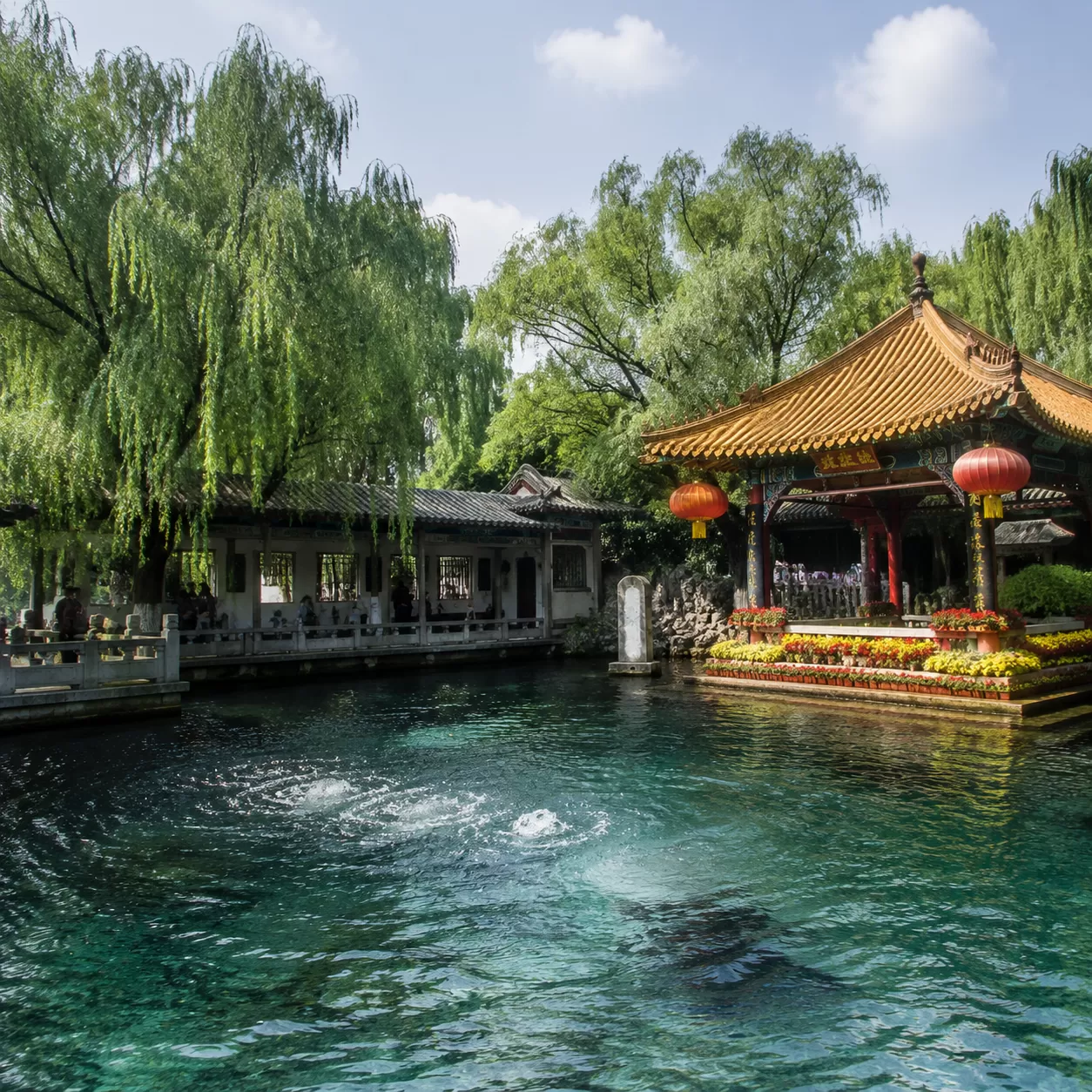
A city shaped by water and history
Jinan feels different from a lot of big Chinese cities because its identity comes from water. In my Jinan travel guide, I always start with the Yellow River, since the river’s long shift changed how the city grew and helped create the spring system Jinan is famous for. That is why people call it the City of Springs and why the old urban core still feels compact, walkable, and tied to the water.
Literati, temples, and old streets
Jinan has a strong literary side too. Poets, scholars, and local legends have shaped the city’s image for centuries, and you can still feel that in its old neighborhoods and temple areas. If you like off the beaten path Jinan experiences, I’d spend time in places that still keep a traditional feel rather than rushing straight through the main sights.
A few cultural stops worth adding:
- Local temples for a quick look at daily religious life
- Small museums and courtyard spaces in the historic core
- Old alleyways around the city center for a more lived-in view of Jinan
- Teahouses where the pace is slower and more local
Buddhist and Confucian roots
Jinan has a real mix of Buddhist and Confucian influence. That shows up in temple design, local etiquette, and even how people talk about history and learning. For travelers who want to understand the bigger religious picture, Jinan also connects naturally to Mount Tai, one of China’s most important sacred mountains. I’d pair this with a deeper look at the religious history of Mount Tai if you are planning a wider Shandong trip.
If you have time, I also recommend a short temple stop in Jinan before heading to Mount Tai. The connection makes the whole trip feel more complete, especially if you care about Chinese faith traditions and old pilgrimage routes.
Temple etiquette that matters
If you visit temples in Jinan, keep it simple and respectful. I use the same basic rules every time:
- Dress modestly and avoid loud clothing
- Speak softly and keep your phone on silent
- Do not step into blocked-off ritual areas
- Avoid pointing directly at statues or altars
- Ask before taking close-up photos of people praying
For foreign travelers, that is usually enough. You do not need to do everything perfectly. A calm, respectful attitude goes a long way.
Kuanhouli and old-town atmosphere
If I want old town vibes, I head toward Kuanhouli Street. It has the kind of narrow lanes, low-rise buildings, and small storefronts that make Jinan old town Kuanhouli feel different from the city’s newer areas. You will also find hidden courtyards, tea spaces, and tiny shrines tucked between shops.
What stands out most:
- Traditional-style architecture mixed with local life
- Quiet alleyways that reward slow walking
- Small museums and preserved courtyards
- A softer, more local atmosphere than the main commercial zones
This is one of the best parts of a Jinan travel guide 2026 if you want culture without a heavy sightseeing schedule.
Spring folklore and seasonal events
Jinan’s springs are not just a visual feature. They come with folklore, seasonal stories, and local pride. People still talk about old legends tied to Baotu Spring, Daming Lake, and the city’s water culture. In spring and autumn, I also notice more cultural performances, night markets, and public events around the major spring areas.
If your trip lines up with festival season, look for:
- Jinan spring festival 2026 events
- Evening performances near major lakes and squares
- Seasonal markets with local snacks and crafts
- Lantern-style night scenes in peak travel periods
These events can be busy, but they are also some of the best chances to see how locals actually use the city’s public spaces.
How to join respectfully
I like to keep a few simple rules in mind when I watch local cultural activities:
- Stand off to the side if you are unsure where to go
- Don’t block performers, prayer areas, or photo lines
- Buy snacks or a small item if you are lingering at a market
- Follow local cues instead of jumping into ceremonies
- Be patient if English is limited
That approach works well in temples, street festivals, and night events. It also makes the whole Jinan City of Springs travel experience feel more natural and less touristy.
Quick cultural take
If I had to sum up Jinan in one line, I’d say it is a city where water, faith, and scholarship all meet. That mix is what gives the city its depth. For me, that is the real reason to slow down here instead of treating it like a quick stop between Beijing, Shanghai, or Qingdao.
Jinan Food and Drink Guide
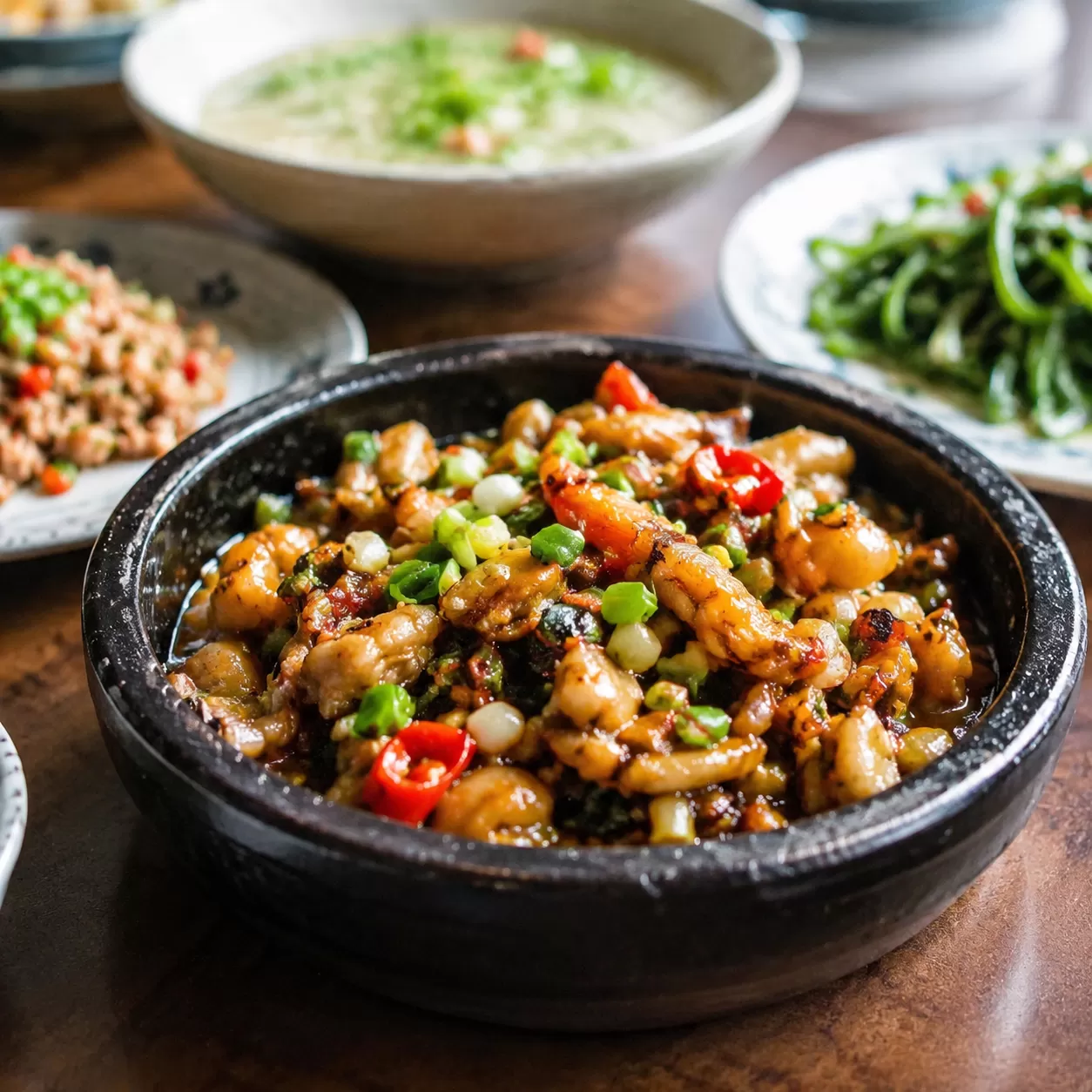
Jinan is one of the best places in China to try Shandong cuisine, also called Lu cuisine. I like it because the food is honest and well-balanced: lots of savory flavor, clean broth, fresh seafood, and dishes that still feel light enough to eat while sightseeing. If you are following a Jinan travel guide 2026 plan, food should be a big part of your trip.
What Shandong Food Tastes Like
Shandong Lu cuisine is known for:
- Savory, salty-sweet balance
- Strong umami
- Seafood and river fish
- Clear soups and rich broths
- Braised dishes with deep flavor
- Crunchy stir-fries and fresh texture
In Jinan, I notice the food is less oily than in many other big Chinese cities, and the spring water culture gives the city a cleaner, fresher feel.
Must-Try Dishes in Jinan
Here are the dishes I would look for first:
| Dish | What it is | Why try it |
|---|---|---|
| Braised carp | River fish cooked in a rich sauce | A classic Shandong dish with bold flavor |
| Dezhou-style braised chicken | Tender braised chicken with spices | Easy to like and very common |
| Sweet and sour carp | Crispy fish with tangy sauce | One of the most famous Lu cuisine dishes |
| Sea cucumber dishes | Often braised or stewed | A high-end local specialty |
| Clear broth dumplings or soup dishes | Light and warming | Good if you want something simple |
| Stir-fried lily bulbs, greens, or lotus root | Fresh vegetable dishes | Great for a lighter meal |
If you want one safe order at a local restaurant, I would choose one braised dish, one vegetable dish, and one soup.
Braised, Steamed, and Stir-Fried Favorites
Shandong cooking is strong in three styles:
- Braised dishes: best for deep, rich flavor and rice
- Steamed specialties: lighter and better if you do not want a heavy meal
- Stir-fried dishes: fast, fresh, and good for sharing
I also recommend trying crunchy snacks like fried dough twists, sesame cakes, and small savory pancakes from local shops. They are easy to eat while walking around the city.
Where to Eat Authentic Shandong Food
For real local food, I would start in central Jinan near:
- Daming Lake
- Baotu Spring
- Quancheng Square
- Kuanhouli Street
- Furong Ancient Street
Good local restaurants usually have:
- A menu with more locals than tourists
- Simple decor, not overly polished branding
- A busy lunch crowd
- Steam, broth, and braised dishes on the menu
- Handwritten specials or seasonal dishes
Tourist traps often have:
- Overdone English menus
- Big photo menus with inflated prices
- Staff pushing set meals too hard
- Food that looks styled for photos but tastes average
Street Food in Jinan
Jinan’s street food scene feels a little different from Beijing or Shanghai. It is more low-key, more snack-focused, and often tied to old streets and night strolls. I think that makes it better for casual eating.
Furong Ancient Street
Furong Ancient Street is one of the easiest places to snack your way through Jinan. The street is compact, busy, and full of quick bites.
Try:
- Grilled skewers
- Sweet cakes and sticky rice snacks
- Fried dough items
- Noodle dishes
- Sesame-based pastries
Typical snack prices are usually around RMB 10-30 each, with bigger plates or drinks costing more.
Best time to go:
- Late afternoon to early evening for atmosphere
- Before peak dinner hours if you want fewer crowds
- Weekday evenings are usually easier than weekends
Kuanhouli and Wei Alley
Kuanhouli Street has a more modern night market feel, with casual eats, small bars, and snack stalls. Nearby lanes and Wei Alley are good if I want to wander and eat without a formal dinner plan.
These areas are best for:
- Late-night noodles
- Dumplings
- Small grilled items
- Drinks and desserts
- Casual local snacks
Spring Water Culture in Food and Drinks
Jinan is called the City of Springs for a reason, and that shows up in the food culture too. Some restaurants, teahouses, and cafés like to highlight spring water in their tea, soups, or local drinks.
Around Daming Lake and Baotu Spring, I would look for:
- Teahouses with local tea service
- Small cafés with a Jinan theme
- Shops selling spring-water brewed tea
- Light desserts and drinks after sightseeing
If you want a slower break between attractions, this is a good way to experience Jinan spring water culture without planning a full meal.
Breakfast, Lunch, and Late-Night Eats
For breakfast, I usually look for:
- Savory pancakes
- Soy milk and fried dough
- Steamed buns
- Noodle soup
- Local stuffed breads
For quick lunch near major sights, the easiest choices are:
- Noodle shops
- Dumpling places
- Small local set-meal restaurants
- Soup and rice combo spots
For late-night eating, Jinan night markets and the streets around Kuanhouli are the most reliable. I like these places because they are easy to navigate, fast, and not too fancy.
How to Order Without Speaking Chinese
If you do not speak Chinese, I would keep it simple:
- Point at the dish on the menu
- Use a translation app
- Say “bù yào là” if you do not want spicy food
- Ask for “bù yào cóng” if you do not want scallions
- Ask if a dish has pork, beef, or seafood if you have restrictions
A photo menu helps, but I still check the price before ordering. That avoids surprises.
Vegetarian and Halal Food
Vegetarian options exist, but they are not always obvious because many dishes use meat broth or animal fat.
Good vegetarian-friendly choices:
- Stir-fried greens
- Tofu dishes
- Egg and tomato dishes
- Mushroom soups
- Plain noodles with vegetables
For vegan eating, I would confirm that no egg, oyster sauce, or meat broth is used.
For halal restaurants in Jinan, look for Muslim-friendly areas and places that clearly show halal signs in Chinese or Arabic. These restaurants are usually easier to find near busier commercial streets and transport hubs.
Food Safety and Water Tips
I always keep a few basic habits in Jinan:
- Drink bottled water unless I know the source
- Eat hot food from busy places
- Avoid raw food if my stomach is sensitive
- Wash hands before snack-heavy street food runs
- Be careful with ice if I am not sure how it was made
If I am trying lots of street snacks, I go slower on day one. That is the easiest way to avoid stomach issues and still enjoy the local food scene.
Jinan is a great city for eating well without spending a lot, and the mix of Shandong Lu cuisine in Jinan, snack streets, tea spots, and casual local restaurants makes it easy to build a food-focused day around your sightseeing.
Jinan Itineraries – How to Plan Your Days

Planning your trip to Jinan depends on how much time you have and what interests you most. If you’re just visiting for the first time, 2 to 3 days can cover the main highlights like the city’s famous springs, lakes, and historic sites. For repeat travelers or those wanting a deeper experience, 4 to 5 days allow for exploring nearby attractions such as Mount Tai or Qufu, the hometown of Confucius.
Choosing a Home Base Area for Your Jinan Travel
Picking the right neighborhood makes a difference. Staying near Daming Lake or Quancheng Square offers easy access to top sights and lively night scenes. For a more traditional feel, consider staying in old town areas like Kuanhouli Street, where you can enjoy local architecture, markets, and street food.
Sample 2-Day Jinan Itinerary Focused on Springs and Lakes
Day 1: Start at Baotu Spring, Jinan’s most famous spring, then head to Quancheng Square to see the iconic fountain show in the evening.
Day 2: Spend the day at Daming Lake, taking a boat tour if weather permits, and then wander Furong Ancient Street for local snacks and shopping.
Adjust this plan for different seasons—for example, visit the lotus-filled Daming Lake in summer or enjoy winter lights around the city.
Extending Your Stay with a 3-Day Jinan Itinerary
Add Thousand Buddha Mountain for a mix of nature and cultural sights. You can hike or take the cable car up to see Buddhist statues and panoramic views. To avoid backtracking, plan your route to visit attractions in the same area on the same day, like combining the mountain with nearby temples.
Incorporating Key Attractions
Make time for the Shandong Museum to explore regional history and artifacts. Also, include a visit to Jinan Confucius Temple to understand local Confucian culture. These can fit into your itinerary on Day 3 or 4, depending on your pace.
Food and Coffee Breaks
Plan your meals around each area. For example, try local Lu cuisine near Furong Ancient Street or enjoy tea and coffee at lakeside cafés around Daming Lake. These spots are perfect for relaxing between sightseeing.
4–5 Day Jinan Itinerary with Mount Tai
For a longer trip, dedicate a day to Mount Tai, accessible by bus or private tour. The climb can be challenging but rewarding—check out how difficult is it to climb Mount Tai for details. If you’re interested in cultural sites, consider adding Qufu, the birthplace of Confucius, for a full immersion into Chinese history and spirituality.
Balancing City and Nature
Spread your days to enjoy both urban sights and natural beauty. Spend mornings exploring springs and lakes, then afternoons hiking or visiting temples. Families and solo travelers will find plenty of slow-paced options, like parks and small museums, to suit their travel style.
By tailoring your Jinan travel itinerary, you’ll make the most of your time in the City of Springs, whether it’s a quick weekend or an extended exploration.
Practical Jinan Travel Tips for 2026
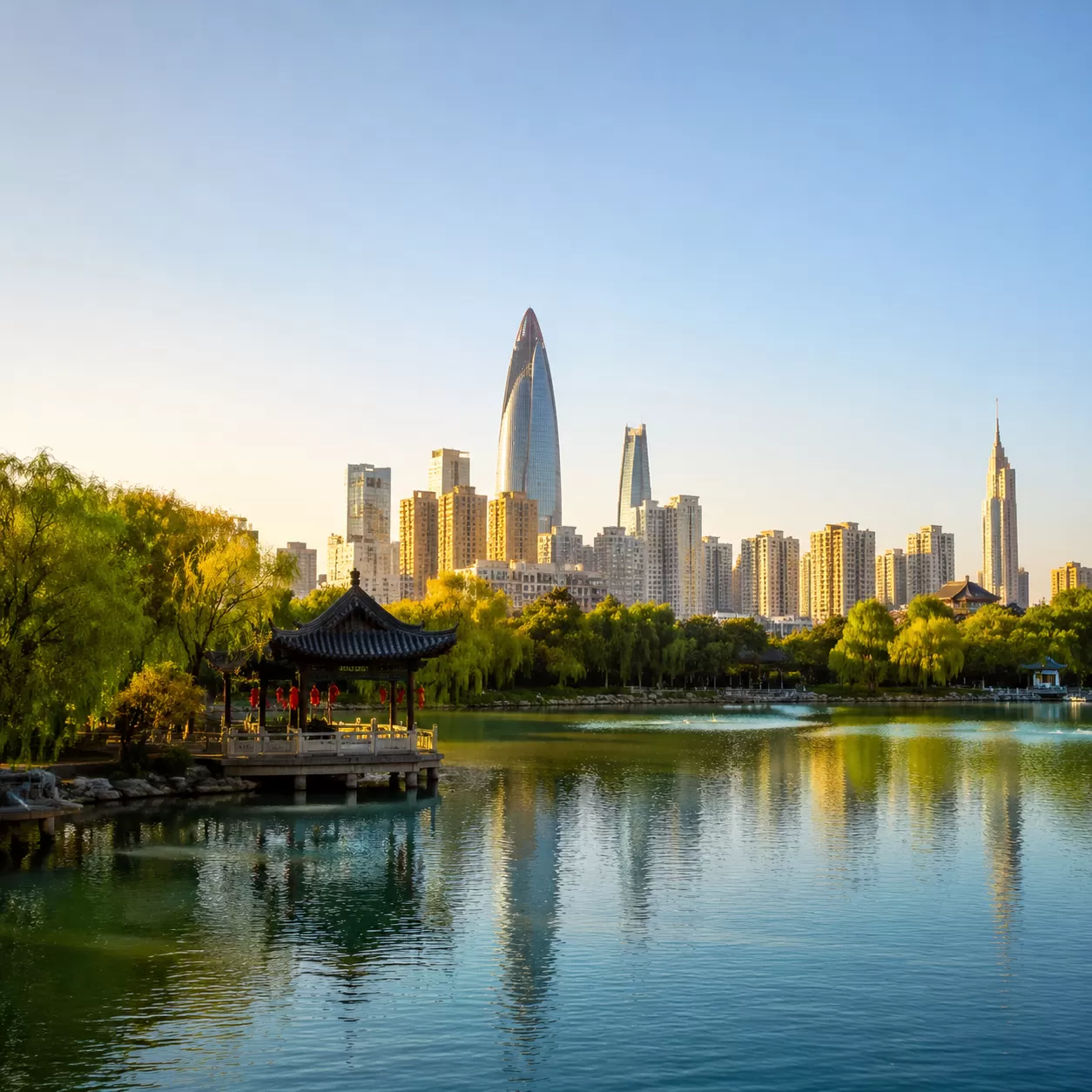
What to Pack by Season
For a smooth Jinan travel guide 2026 trip, I keep my packing simple and seasonal because Jinan weather by month can swing a lot.
Spring and autumn packing checklist
- Light jacket or windbreaker
- Long pants and breathable layers
- Walking shoes with grip
- Umbrella or packable rain shell
- Sunglasses and sunscreen
- Small day bag for spring water sites and parks
Summer packing checklist
- Thin, quick-dry clothes
- Hat, sunscreen, and sunglasses
- Refillable water bottle
- Cooling towel or hand fan
- Sandals for downtime, but not for long walks
- Extra shirt if I plan to walk a lot around Daming Lake or Quancheng Square
Winter packing checklist
- Heavy coat, thermal layers, gloves, hat, and scarf
- Waterproof shoes with traction
- Lip balm and moisturizer
- Hand warmers for cold nights
- Extra socks if I’m out all day
Shoes Matter
Jinan is easy to explore on foot, but the wrong shoes can ruin the day.
- For Baotu Spring, Daming Lake, and Quancheng Square: I use comfortable walking shoes.
- For Thousand Buddha Mountain hike: I pick stable shoes with good grip.
- For Mount Tai day trips: I want real hiking shoes, not casual sneakers. If I’m planning a bigger climb, I check a Mount Tai hiking guide and study the route on a Mount Tai China map guide.
Daily Budget
Jinan can be affordable if I stick to local food and metro rides.
| Travel Style | Daily Budget | What It Covers |
|---|---|---|
| Budget | $35-$60 | Simple hotel, local meals, metro/bus, basic entry tickets |
| Mid-range | $80-$160 | Comfortable hotel, taxi/Didi rides, better meals, more attraction tickets |
| Luxury | $200+ | High-end hotel, private transfers, fine dining, guided experiences |
Money-saving tips
- Use the metro and bus map for central sightseeing.
- Eat near local neighborhoods instead of only tourist streets.
- Book combo tickets when Baotu Spring, Daming Lake, or museum bundles are available.
- Visit popular spots early to avoid slow lines and extra taxi time.
When to Book
For better prices, I book early on the big travel dates.
- Trains: 2-4 weeks ahead for high-speed train to Jinan routes from Beijing, Shanghai, and Qingdao
- Flights: 3-8 weeks ahead for better domestic and international fares
- Hotels: 1-2 months ahead for spring, autumn, and holiday weekends
- Holiday periods: Book as early as possible, especially for Jinan hotel areas Daming Lake and Quancheng Square hotels
Payments and Cash
Jinan is mobile-payment friendly, but I still plan for backups.
- Best option: mobile payment through Alipay or WeChat Pay
- Backup: a small amount of cash for tiny shops, older vendors, and markets
- Cards: some hotels and larger stores accept foreign cards, but not everywhere
- Workaround: save your payment QR code and keep a small cash reserve
Tipping and Bargaining
- Tipping: usually not expected in Jinan
- Restaurants and taxis: no tip needed in normal situations
- Bargaining: okay in small markets, but not in most fixed-price shops, malls, or hotels
- My rule: if the price is not clearly posted, I can ask politely once, then move on if it feels off
Health and Water
I treat water and food carefully so I can avoid stomach issues.
- Tap water: I do not drink it directly
- Bottled water: safest default
- Spring water: great for sightseeing, but I still use caution and do not assume every spring is for drinking
- Travel insurance: worth having for medical visits, delays, or lost luggage
- Pharmacies: easy to find in the city, especially near major commercial areas
Useful basic phrases:
- “I have a stomachache.”
- “Where is the pharmacy?”
- “I need a doctor.”
- “Do you have bottled water?”
Safety and Night Tips
Jinan is generally calm, but I still stay alert like I would in any big city.
- Keep an eye on bags in crowded streets and night markets
- Use licensed taxis or Didi late at night
- Stick to busy areas after dark
- Be more careful on wet stone paths, winter ice, and steps near spring areas
- Avoid rushing around in heavy rain or extreme heat
Common annoyances to watch for
- Overpriced souvenirs near top tourist spots
- Unclear menu prices in small snack stalls
- Unofficial ride offers at transport hubs
Apps, SIMs, and Offline Tools
The right apps make a Jinan travel guide trip much easier.
Essentials
- Maps app for walking and transit
- Translation app for signs and menus
- Ride-hailing app for taxis and Didi
- Payment app for QR-code purchases
- Offline map downloads in case signal drops
SIM vs eSIM
- eSIM: easiest if my phone supports it
- Local SIM: good if I want a local number and steady data
- Wi-Fi: common in hotels and many cafes, but I do not rely on it alone
VPN note
- I plan ahead if I need access to social media or certain blocked services.
Helpful Chinese Phrases
I keep these short and simple:
- Hello: 你好 (nee-how)
- Thank you: 谢谢 (shieh-shieh)
- How much?: 多少钱? (doh-shao chyen)
- I want this: 我要这个 (woh yow juh-guh)
- Where is the subway?: 地铁在哪里? (dee-tyeh zaa-ee nah-lee)
- Please help me: 请帮我 (ching bang woh)
Local Etiquette
A little courtesy goes a long way in Jinan.
- Speak calmly in temples and quiet cultural sites
- Dress modestly for religious spaces
- Don’t block pathways for photos
- Point politely instead of interrupting staff
- Stay patient if the language barrier slows things down
For me, the best approach is simple: smile, use a translation app, and keep a sense of humor. That makes Jinan travel apps and maps, local meals, and day-to-day errands a lot easier.
Extra Jinan Travel Resources and FAQs
If you’re planning a trip to Jinan, having some extra resources can make your experience smoother. For photography enthusiasts, Jinan offers plenty of stunning spots—think springs, lakes, city skylines, and hidden corners. Daming Lake, Baotu Spring Park, and Thousand Buddha Mountain are top choices for capturing the beauty of the City of Springs, but don’t overlook quieter spots like Black Tiger Spring or the small alleys around Kuanhouli Street.
For those interested in exploring more of the region, a 5-day Jinan and Shandong itinerary can be a great way to see the highlights at a relaxed pace. You can plan around specific timings, like visiting the springs early in the morning or catching the sunset over Daming Lake.
Many travelers have questions about visiting Jinan for the first time. Common FAQs include visa requirements, how crowded the city gets compared to Beijing or Shanghai, and whether English signage is widely available. Jinan tends to be less crowded than China’s biggest cities, especially outside peak seasons, but popular spots like Baotu Spring and Quancheng Square can get busy during holidays or festivals.
If you’re worried about language barriers, it helps to know when English signs are most common—mainly around major tourist sites and hotels. To customize your experience, consider choosing tours or activities that match your interests, whether that’s cultural heritage, nature, or food. Many operators offer flexible options, and apps like WeChat or local travel guides can help you plan on the fly.
Lastly, don’t forget that Jinan’s charm is in its small details. You can easily tailor your itinerary to focus on spring hopping, local markets, or hidden gems. With a little planning, your trip to Jinan will be both memorable and personalized. For more detailed tips, you might want to explore additional travel resources on Jinan travel or check out the best photography spots to capture the city’s unique spring scenery.