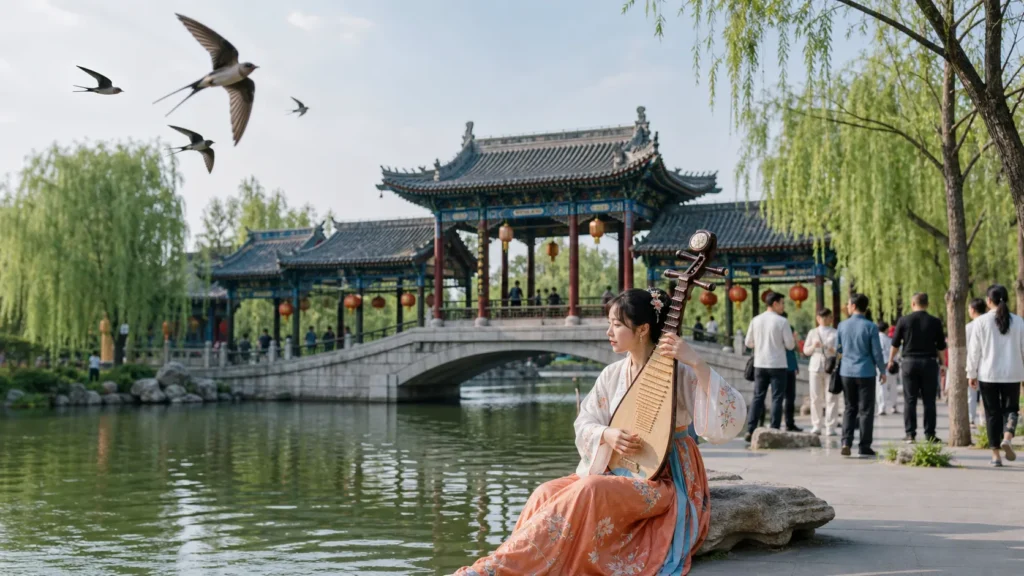
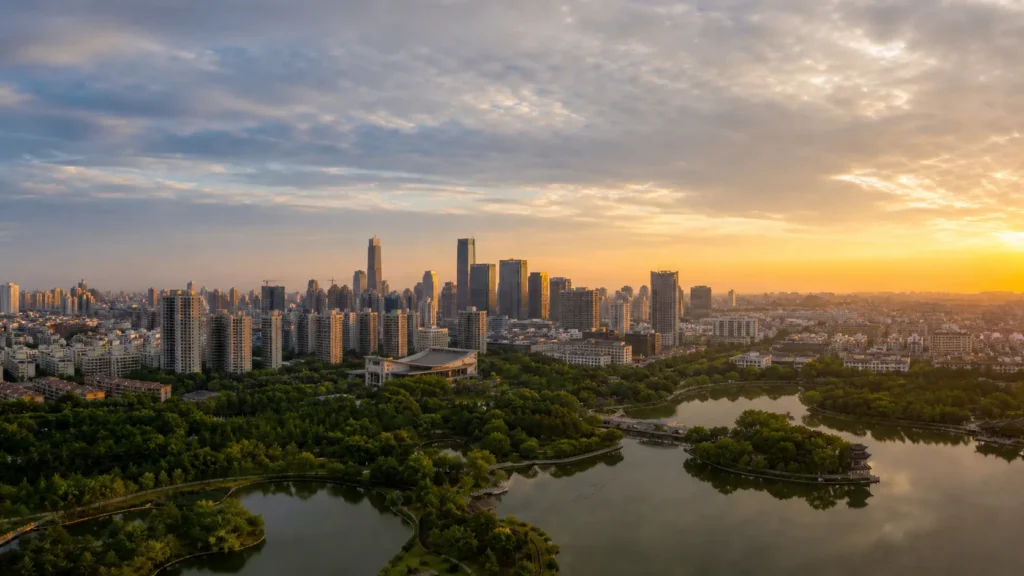
Planning a trip to Weifang? This travel guide delivers the essentials—best seasons, logistics, and can’t-miss sights like the International Kite Festival, Qingzhou Ancient City, and Shihu Garden—along with ready-to-use 1–3 day itineraries and hotel/tour tips. Let’s unlock your best Weifang experience.
What is Weifang and Why Is It Famous?
Weifang is a vibrant city located in Shandong Province, China. It is renowned for its rich cultural heritage, especially as the birthplace of Han Dynasty folk art and the World Capital of Kites. This city attracts visitors from around the globe, thanks to its unique traditions and lively festivals.
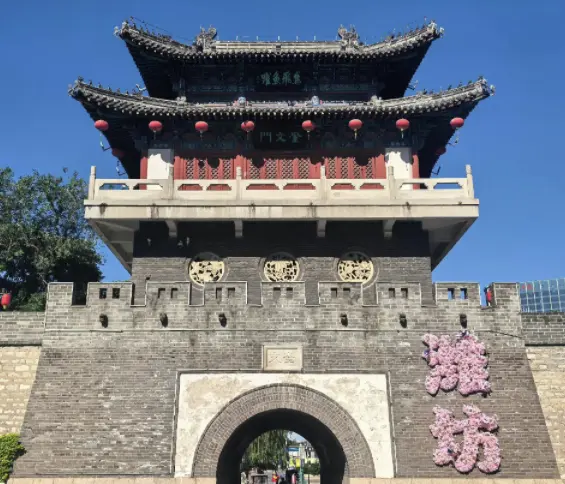
Location and Regional Significance
Situated in northern Shandong, Weifang serves as a regional hub for culture and commerce. It connects major cities like Jinan and Qingdao via high-speed rail, making it accessible for travelers. Its central position in Shandong makes it a key destination for exploring the province’s historical and cultural sites.
Historical Background
Weifang has a deep history as a center of folk art, particularly kite-making, which dates back over a thousand years. The city’s reputation as the World Capital of Kites is globally recognized, especially during the annual Weifang International Kite Festival. Additionally, Weifang played a significant role in Han Dynasty history, contributing to its cultural importance.
Best Travel Seasons and Climate Overview
The best time to visit Weifang is during spring (April to May) and autumn (September to November). Spring hosts the famous kite festival, while autumn offers ideal weather for outdoor sightseeing. The climate is generally temperate, with warm summers and cool winters, making it suitable for travel year-round with proper planning.
Weifang Travel Guide: Top Attractions
I focus on Weifang’s mix of city culture and nearby heritage sites. For me, this is the easiest way to see why the city is known as the World Capital of Kites and a strong stop on any Shandong travel itinerary.
Urban cultural highlights
-
- Weifang World Kite Museum (潍坊世界风筝博物馆, Wéifāng Shìjiè Fēngzheng Bówùguǎn): the best place to understand Weifang’s kite culture and the city’s festival identity.
- Shihu Garden Weifang (十笏园, Shíhù Yuán): a classic local garden site that adds a quieter cultural stop in the city.
- Yangjiabu Folk Culture Village (杨家埠, Yángjiābù): a strong pick for folk art, New Year prints, and local craft culture.
- Bohai Eye Ferris Wheel (渤海之眼, Bóhǎi Zhī Yǎn): a modern landmark for city views and a different side of Weifang.
- Fangtze Eurotown (坊子欧风街 / Eurotown): useful for travelers who want a walkable area with a more distinctive urban style.
Historical and regional sites
-
- Qingzhou Ancient City (青州古城, Qīngzhōu Gǔchéng): one of the most important heritage stops in the region.
- Qingzhou Museum (青州博物馆, Qīngzhōu Bówùguǎn): known for its Buddhist statues and strong historical collection.
- Yunmen Mountain scenic area (云门山, Yúnmén Shān): a solid choice for views, history, and outdoor time.
- Mount Yi / Yishan National Forest Park (沂山国家森林公园, Yíshān Guójiā Sēnlín Gōngyuán): a good regional nature stop for travelers who want more than city sightseeing.
For a wider Shandong route, I also connect this area with Mount Tai in Shandong when planning a broader heritage trip.
Weifang Travel Guide: Best Time to Visit
I plan a Weifang trip around the weather and the crowds. The timing matters here, especially if I want the Weifang International Kite Festival and the easiest outdoor sightseeing.
Best Seasons
| Season | Best for | My take |
|---|---|---|
| Spring (April-May) | Kite Festival, city walks, photo stops | This is the busiest and most famous window for a Weifang travel guide. I book early if I want the festival atmosphere. |
| Autumn (September-November) | Outdoor sightseeing, relaxed pacing | This is my best choice for clear days, comfortable weather, and easier travel. |
Off-Peak Travel
-
- Summer: I expect stronger heat and plan shorter outdoor visits, more indoor stops, and longer breaks.
- Winter: I keep the schedule lighter and focus on simple city sightseeing, since cold weather can make long outdoor routes less comfortable.
Simple Rule
-
- If I want kites and festival energy, I choose spring.
- If I want easy sightseeing and better comfort, I choose autumn.
- If I travel in summer or winter, I stay flexible and build in more indoor time.
Sample itineraries for different trip lengths in Weifang
For visitors with limited time, here are practical itineraries to make the most of your trip to Weifang. Whether you have just one day or several, these plans focus on key attractions and cultural highlights.
1-Day City Highlights
– Visit the Weifang World Kite Museum to learn about the city’s famous kite-making tradition.
– Stroll through Shihu Garden (石湖园) for a peaceful outdoor experience.
– Explore Yangjiabu Folk Culture Village to see traditional crafts and local art.
2-Day Cultural and Historical Tour
– Day 1: Cover the main city sights, including the Kite Museum and Yangjiabu Village.
– Day 2: Take a trip to Qingzhou (青州), known for its ancient city ruins, Qingzhou Museum, and Yunmen Mountain scenic area.
3-Day Regional Exploration
– Day 1: Discover Weifang’s urban attractions.
– Day 2: Visit Qingzhou for its historical sites and museums.
– Day 3: Extend your trip to Mount Yi (Yishan) National Forest Park or explore the nearby coastal zones for a relaxing seaside experience.
These itineraries are flexible and can be customized to suit your interests. For a detailed plan, you can also check out our suggested Shandong travel itinerary for regional planning.
Local food and culinary tips in Weifang
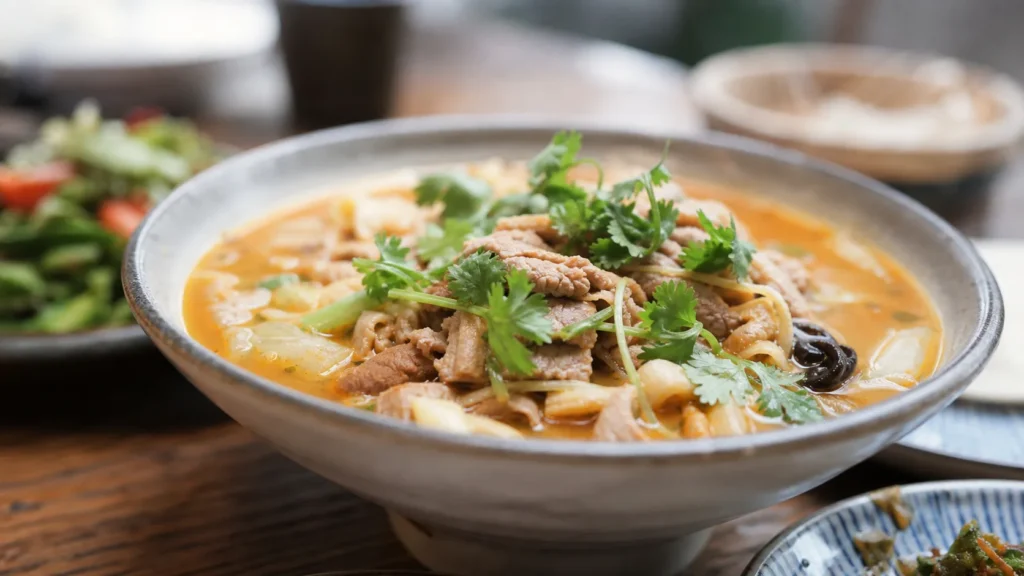
Weifang offers a rich culinary scene that reflects its cultural heritage and regional flavors. Signature dishes include Chaotian Guo (a hot pot-style dish), Weifang Meat Pie (a savory pastry filled with seasoned meat), Gaoji Hele Noodles (a traditional noodle dish with a rich broth), and Green Radish, which is often used in salads and pickles. These local specialties can be enjoyed at various food streets, bustling night markets, and authentic local restaurants throughout the city.
When dining in Weifang, it’s helpful to understand some local customs. For example, sharing dishes is common, and it’s polite to try a bit of everything. Ordering is straightforward—pointing to dishes or using simple Chinese phrases can work well. Many eateries accept mobile payments like WeChat Pay and Alipay, making transactions quick and convenient. Exploring local food spots not only satisfies your taste buds but also provides a deeper connection to Weifang’s vibrant culture. For more regional snacks, you might want to check out Shandong travel itinerary for additional local bites.
Weifang Transport Guide
I keep getting around Weifang simple: use high-speed rail for longer hops, and switch to taxi, ride-hailing, or bus for short city moves. For regional travel, I also plan around nearby hubs like Jinan, and I check the full Jinan travel guide when I need a clean transfer plan.
Main ways to move
| Option | Best for | Practical note |
|---|---|---|
| High-speed rail | Jinan, Qingdao, Beijing | Fast and easy for regional trips |
| Taxi / ride-hailing | City center, hotel transfers | Best when you want direct door-to-door travel |
| Bus | Budget local travel | Good for short city rides and simple point-to-point trips |
| Airport transfer | Nearby hub connections | Check current schedules before you go |
Fast transit tips
-
- Use rail for longer routes and keep your city day flexible.
- Book taxis or ride-hailing early during busy travel hours.
- Save your destination name in Chinese, like Weifang (潍坊, Weifang), for smoother pickup.
- If you are connecting through Jinan, I use the route details in how to get to Jinan to keep transfers easy.
Smooth travel habits
-
- Keep cashless payment ready with WeChat Pay or Alipay.
- Put your hotel address in Chinese in your phone.
- Leave extra time for station transfers and local traffic.
- For short city runs, buses are useful, but taxis are the simplest when time matters.
Quick travel plan
| Trip type | Best choice |
|---|---|
| City sightseeing | Taxi or bus |
| Regional day trip | High-speed rail |
| Late arrival | Taxi or ride-hailing |
| Airport connection | Pre-booked transfer |
Practical travel tips for visitors in Weifang
Staying connected and making payments is easy with mobile apps like WeChat Pay and Alipay, which are widely accepted across Weifang. Setting up these apps before your trip ensures smooth transactions at restaurants, shops, and transportation services.
For navigation, Baidu Maps and Amap are reliable tools that provide real-time directions, public transit info, and traffic updates, helping you explore Weifang efficiently.
Accommodation options range from centrally located hotels in Weicheng to charming boutique stays in Qingzhou. Booking in advance guarantees better rates and availability, especially during peak seasons like the Weifang International Kite Festival.
Knowing some basic Chinese phrases and helpful tips can significantly improve your experience. Simple expressions like “Hello” (Nǐ hǎo, 你好), “Thank you” (Xièxiè, 谢谢), and “Where is…?” (Zài nǎlǐ, 在哪里) are useful. Using translation apps or carrying a phrasebook can bridge language gaps and make interactions smoother.
| Tip | Details |
|---|---|
| Mobile Payments | WeChat Pay, Alipay |
| Navigation | Baidu Maps, Amap |
| Accommodation | Central Weicheng, Qingzhou boutique stays |
| Language | Basic Chinese phrases, translation apps |
Being prepared with these practical tips ensures a hassle-free trip and helps you enjoy all that Weifang has to offer.
FAQs about Weifang travel
What is the best time to visit Weifang for kite festivals?
The peak time to experience the famous Weifang International Kite Festival is in spring, typically April to May. This is when the skies are filled with colorful kites, and the festival atmosphere is at its liveliest. Visiting during this period allows you to witness spectacular kite displays and participate in local celebrations.
Are there activities outside of the kite festival season?
Absolutely. Outside the festival season, Weifang offers plenty of cultural and outdoor activities. You can explore attractions like the Shihu Garden, Yangjiabu Folk Culture Village, or Yunmen Mountain scenic area. These spots are ideal for sightseeing, enjoying local art, and relaxing in nature, especially in autumn (September to November), when weather is perfect for outdoor exploration.
How far is Weifang from Qingzhou, and can I visit both?
The distance between Weifang and Qingzhou is approximately 70 kilometers, making it easy to include both in your travel plans. Many travelers combine these destinations to experience Weifang’s kite culture and Qingzhou’s ancient city and Buddhist statues. For detailed itineraries, consider exploring regional travel options or guided tours.
Can I participate in kite-making workshops?
Yes, participating in kite-making workshops is a popular activity in Weifang. These workshops are often available at cultural villages like Yangjiabu and during local festivals. They provide hands-on experience and a deeper understanding of Weifang’s rich kite tradition, making your visit more memorable.
Is Weifang safe for travelers, and what are some local customs?
Weifang is generally very safe for international visitors. Basic travel safety tips include staying aware of your surroundings and using reliable transportation. Respect local customs, such as polite greetings and modest dress when visiting temples or cultural sites. Familiarizing yourself with local etiquette enhances your experience and helps you connect more authentically with the community.