If you’ve ever wondered why Mount Tai is so popular, you’re tapping into a story that blends ancient myth, imperial power, and breathtaking natural beauty—all crowned by its status as China’s most revered sacred mountain. More than just a peak soaring 1,545 meters, Mount Tai is a living symbol of spiritual depth and cultural pride, drawing millions annually as both a pilgrimage and a breathtaking adventure. Whether it’s the famed sunrise hikes, the echoes of emperors’ rituals, or the mystical legends woven into its cliffs, there’s a reason Mount Tai captivates hearts across the globe. Ready to uncover what makes Taishan a timeless legend? Let’s dive in.
A Sacred Legacy: Mount Tai’s Divine Roots in Chinese Mythology and Religion
Mount Tai, or Taishan, holds a revered place in Chinese culture as a sacred mountain steeped in legend and spiritual significance. According to ancient mythology, the mountain is often linked to Pan Gu—the mythical giant whose head is said to have become Mount Tai itself, symbolizing the very cradle of creation. This connection portrays the mountain as a cosmic bridge between heaven and earth, a gateway where the divine touches the mortal world.
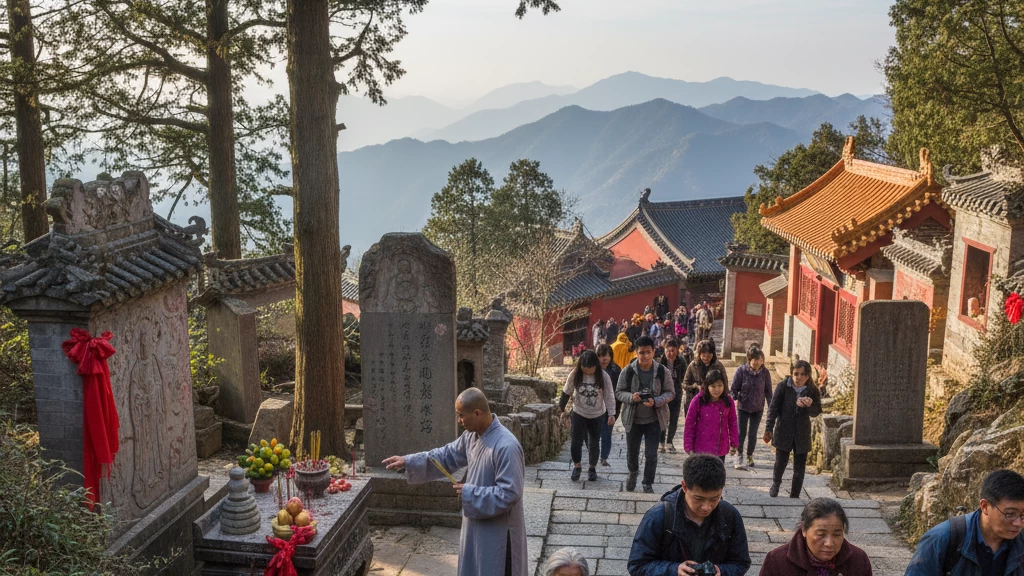
As the foremost of the Five Great Mountains of China, Mount Tai stands at the pinnacle of Daoist worship. Daoist temples cling to its slopes, and pilgrims journey to places like Bixia Temple to seek blessings and enlightenment. This sacred status is more than symbolic; it embodies centuries of faith, ritual, and cultural identity that resonates deeply throughout China’s spiritual landscape. For travelers from around the world, Mount Tai offers a chance to experience an ancient, living tradition that blends myth, religion, and natural majesty into a remarkable whole.
Imperial Footprints: How Emperors Cemented Mount Tai’s Place in History
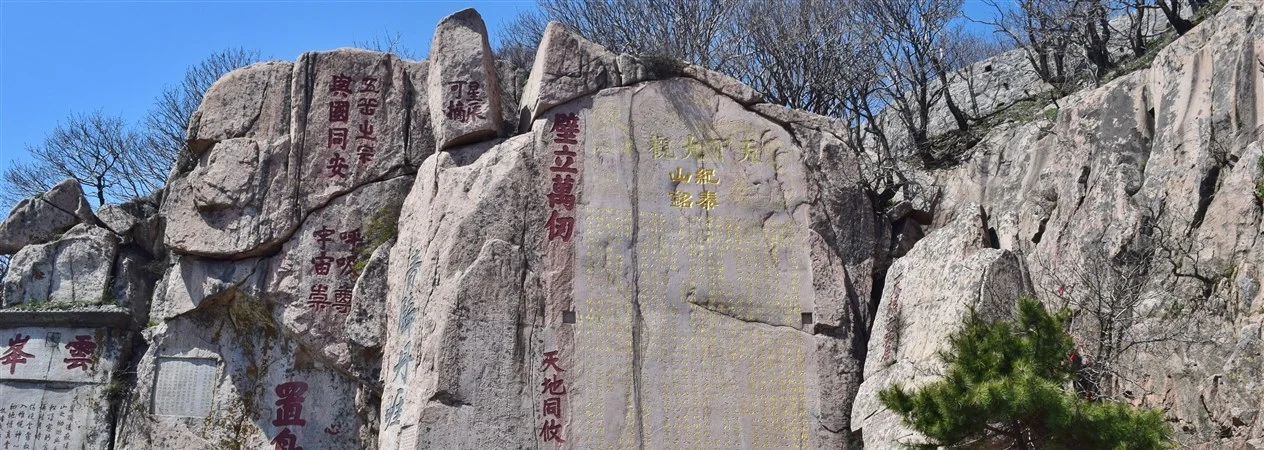
Mount Tai’s significance goes beyond mythology and nature; it’s deeply tied to the power of ancient Chinese emperors. For centuries, rulers made pilgrimages to Taishan to perform the renowned Fengshan ceremonies—sacred rituals held on Mount Tai’s summit to honor Heaven and Earth. These ceremonies symbolized the emperor’s divine right to rule, sealing their Mandate from Heaven with grand offerings and prayers. This tradition wasn’t just spiritual; it was a political statement that connected imperial authority with the mountain’s sacred energy.
The mountain itself serves as a vast cultural museum, with countless ancient cliff carvings and inscriptions left by emperors and officials across dynasties. These relics whisper stories of power, governance, and devotion, carving Mount Tai’s name deeply into China’s imperial history. Visiting these stone-carved records offers a glimpse into the past and the enduring respect that ancient China held for this foremost of the Five Great Mountains.
For a deeper dive into the rich history behind these imperial connections, check out this detailed history of Mount Tai. This background helps explain why Mount Tai remains a symbol of authority and spiritual significance in Chinese culture to this day.
Natural Majesty: Scenic Spectacles That Beckon Hikers and Photographers
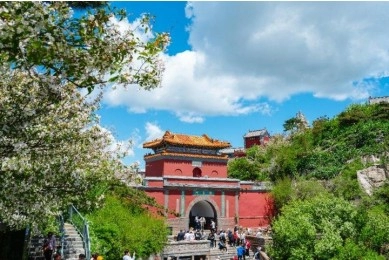
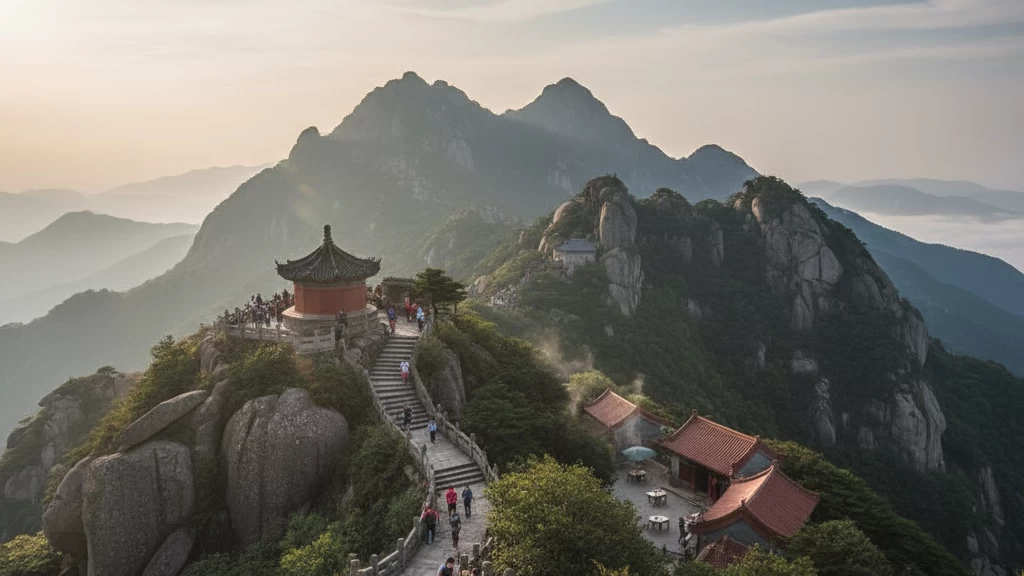
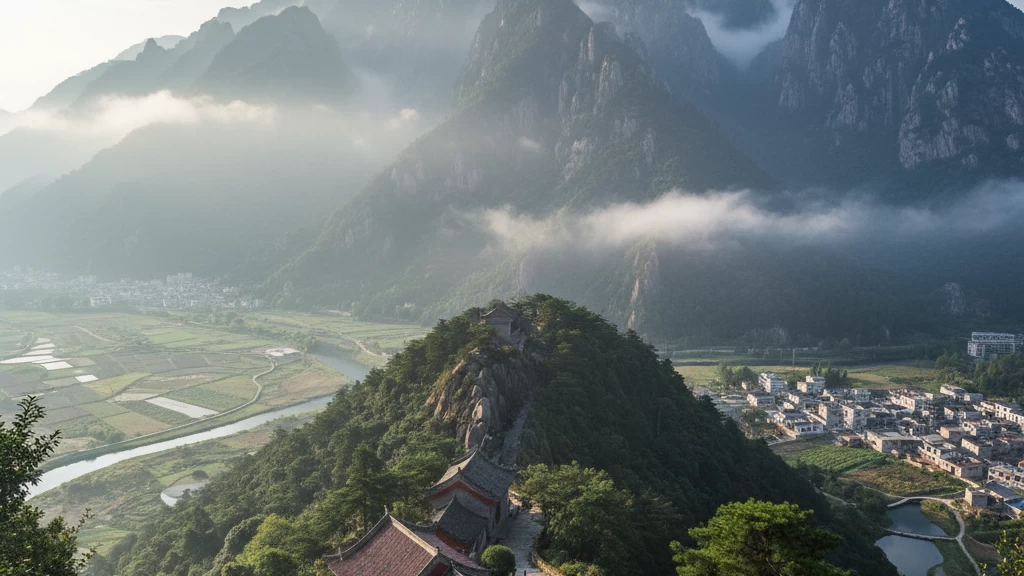
Mount Tai’s natural beauty is one of its biggest draws, offering a stunning blend of peaks, ancient pines, and breathtaking panoramas that feel like a gift from geology itself. The mountain’s rugged terrain is dotted with towering rock formations and lush forests, making every turn a new photo opportunity for hikers and nature lovers alike.
One of the most iconic experiences here is catching the sunrise from Jade Emperor Peak. As dawn breaks over the horizon, golden light floods the sky, creating a ritual so mesmerizing it’s become a must-do for visitors worldwide. This golden sunrise not only showcases nature’s splendor but also symbolizes hope and renewal, enhancing Mount Tai’s reputation as a sacred place with deep spiritual meaning.
For those interested in exploring the best hiking trails and viewpoints, detailed guides are available, such as the comprehensive Mount Tai hike routes and tips that help you plan a rewarding adventure filled with natural wonders. Whether you’re a seasoned climber or a casual visitor, the scenic variety here offers something unforgettable for everyone.
Modern Magnetism: Why Mount Tai Thrives in Today’s Travel Landscape
Mount Tai continues to attract visitors from all over the world, thanks to its UNESCO Mount Tai heritage status, which places it among the most culturally and naturally significant sites globally. This recognition has boosted its appeal well beyond China, inviting travelers eager to explore a place where history, legend, and natural beauty converge.
What’s more, Mount Tai is a year-round haven for diverse travelers. Whether you’re into hiking the well-marked trails starting at Hongmen Gate, exploring the Daoist temples Taishan is famous for, or simply soaking in the iconic sunrise views from Jade Emperor Peak, there’s something for every kind of visitor. The well-developed tourist infrastructure, including charming accommodations and guided tours, makes it easy for both seasoned adventurers and casual tourists to enjoy the mountain.
For those planning a trip, a good resource like this Tai’an travel guide 2025 offers up-to-date tips on how to make the most of your visit. Overall, Mount Tai’s blend of cultural importance and natural splendor ensures it stays a top attraction for years to come.