Historical Significance of Mount Tai
Mount Tai, also known as Taishan Mountain, has held a sacred place in Chinese history for over 3,000 years. It was an important site of worship where ancient emperors performed Fengshan sacrifices—majestic ceremonies meant to honor heaven and earth and legitimize their rule. This tradition began with the earliest dynasties and continued through to the Qing rulers, with records showing that 72 emperors, including the legendary Qin Shi Huang, climbed Taishan to conduct these rituals.
Beyond its religious role, Mount Tai symbolizes the unity and power of ancient China. It is closely linked to Confucianism, reflecting values of harmony and moral governance. Through centuries, the mountain has stood as an emblem of Chinese unification and cultural identity, making it more than just a natural landmark—it is a cornerstone of China’s rich historical legacy.
Cultural and Religious Importance of Mount Tai
Mount Tai, known as the leader of the Five Sacred Mountains of China, holds deep cultural and religious significance. It represents the east, symbolizing birth, renewal, and the start of new beginnings. This Taishan mountain has been a major center for Taoism and Buddhism for centuries, housing key temples and revered deities such as Bixia Yuanjun, the goddess of dawn and fertility.
The mountain’s spiritual influence is also reflected in its rich literary and artistic heritage. Mount Tai inscriptions, poems, and stone tablets carved by ancient scholars and emperors still inspire visitors today. In Chinese culture, the mountain is so iconic that idioms like “stable as Mount Tai” express strength and unshakeable stability.
For those interested in exploring the temples and religious sites, check out detailed guides on the Mount Tai temple complex that highlight its cultural treasures.
UNESCO World Heritage Status
Mount Tai was listed as a UNESCO World Heritage site in 1987, recognized for its unique mix of cultural and natural value. This designation highlights the mountain’s harmonious blend of human masterpieces—like its ancient temples and stone inscriptions—and stunning natural landscapes. Beyond this, Mount Tai earned the title of a World Geopark in 2006, emphasizing its geological significance. It’s also rated as a 5A scenic spot, one of China’s highest ratings for tourist attractions, reflecting its importance as both a natural wonder and a cultural treasure. For a deeper dive into its history and significance, you can explore the detailed Mount Tai history guide.
Natural Beauty and Geological Features of Mount Tai

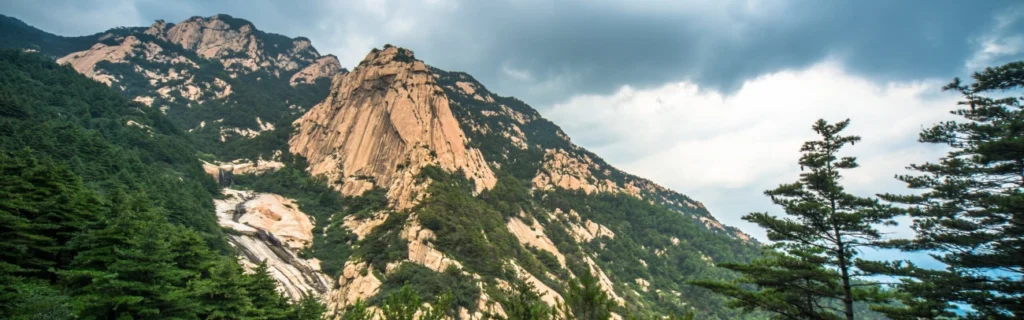
Mount Tai, or Taishan Mountain, rises to 1,545 meters at its highest point—Jade Emperor Peak—offering a stunning natural layout that attracts visitors year-round. The mountain is famous for several spectacular natural phenomena:
- Sunrise Views: Watching the sun rise from Jade Emperor Peak is a breathtaking experience and one of Mount Tai’s biggest draws.
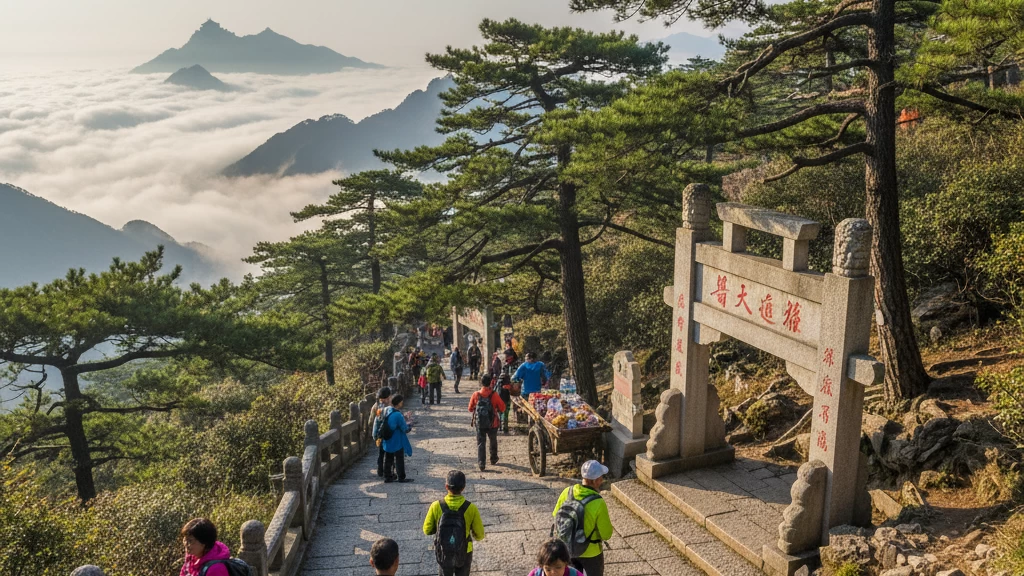
- Sea of Clouds: Early mornings often reveal a rolling sea of clouds below the summit.
- Sunset Glow: The mountain bathes in warm colors during sunset, creating a serene atmosphere.
- Yellow River Vistas: Clear days provide expansive views of the Yellow River winding in the distance.
The landscape features a diverse range of flora, including ancient pine trees that have stood for centuries, charming waterfalls, and unique rock formations etched with natural and historic significance.
Seasonal Highlights at Mount Tai
| Season | Highlights | Notes |
|---|---|---|
| Spring | Fresh greenery, mild temperatures | Ideal for hiking |
| Summer | Lush forests, vibrant flowers | Popular peak season |
| Autumn | Colorful foliage, crisp air | Great for photography |
| Winter | Rime ice on trees, quiet trails | Magical but cold, dress warm |
These natural features make Mount Tai not just a cultural landmark but a place of pure natural beauty that changes dramatically with the seasons. For those interested in exploring, detailed guides on hiking Taishan can help plan your visit to catch these extraordinary sights.
Top Attractions on Mount Tai

Mount Tai is loaded with incredible sights that draw travelers and history buffs alike. At the base lies the grand Dai Temple (Daimiao), the largest ancient complex on the mountain, serving as the historic center for worship and ceremonies. From there, the famous Red Gate marks the start of the renowned Imperial Route Mount Tai, a classic hiking path dotted with historic gates and inscriptions that show the mountain’s deep cultural roots.
Hikers will pass the South Heaven Gate (Nantianmen), a symbolic threshold to the summit, leading to the bustling Heavenly Street, lined with shops and temples. The crowning jewel is the Jade Emperor Peak, the highest point at 1,545 meters, home to several summit temples where many come to pray and take in panoramic views.
Don’t miss key temples like the Bixia Temple, dedicated to the goddess Bixia Yuanjun, protector of women and childbirth. The Azure Cloud Temple is another highlight featuring stunning architecture and spiritual significance. Scattered throughout Mount Tai are countless stone inscriptions and tablets, showcasing millennia of history and artistry embedded in the mountain itself.
For more on the routes and key stops along your climb, check out this detailed hiking guide for Mount Tai. This resource helps you plan the perfect route to experience these top attractions up close.
Hiking and Visiting Mount Tai

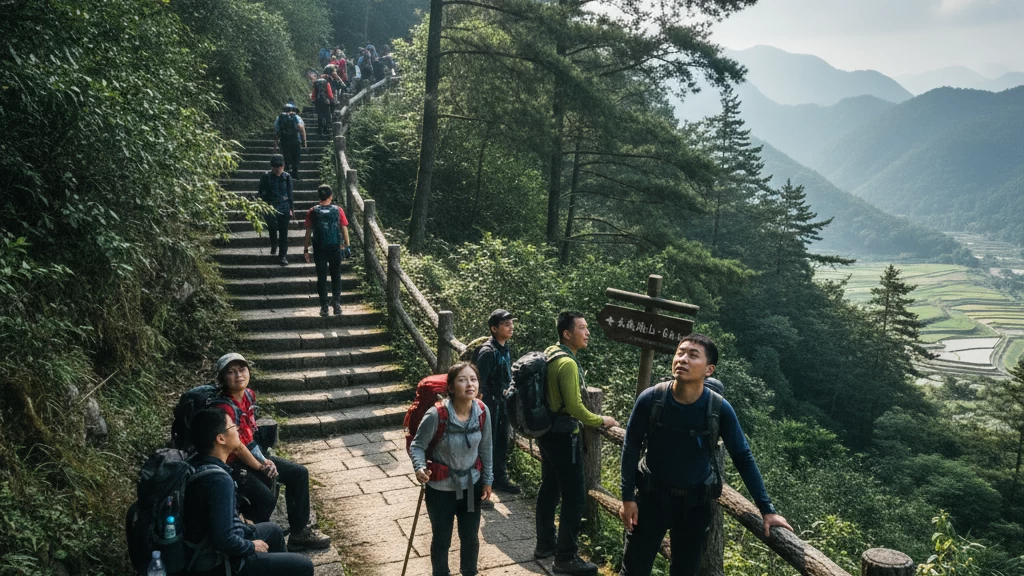
When it comes to hiking Taishan Mountain, you’ll find two main routes: the Eastern (Imperial) Route, known for its rich historical sites, and the Western Route, which offers more scenic, peaceful landscapes. If you’re up for the famous Mount Tai sunrise, many hikers choose to start their climb overnight to reach the summit just in time to witness the breathtaking dawn. There are also cable car options that make the ascent easier if you want to save energy.
The best times to visit Mount Tai are in spring and autumn when the weather is mild and the views are clear. Summers can be hot and crowded, while winters bring rime ice that creates stunning but chilly scenery. Be prepared for a lot of steps—climbing Taishan can mean thousands of stone steps, so good footwear and pacing yourself are essential.
To avoid heavy crowds, start early in the day or consider less popular trails. Accommodations are available in Tai’an city at the base and along the route, providing convenient spots to rest before or after your hike. For more details on how long it takes to climb Mount Tai and recommended routes, check out this comprehensive guide on the duration of the climb and the best hiking paths.
Why Mount Tai Remains Iconic Today
Mount Tai continues to stand as a powerful symbol of Chinese spirit and endurance. For centuries, it has represented strength, stability, and unity—values that still resonate deeply today. This enduring significance makes it a must-visit for modern travelers who seek more than just a hike. Whether you’re after adventure, spirituality, or stunning photography, Taishan Mountain offers all three in abundance.
Its rich history connects seamlessly with nearby cultural treasures like Qufu, the hometown of Confucius, allowing visitors to explore the roots of Chinese philosophy alongside breathtaking natural beauty. This unique blend of culture and nature keeps Mount Tai relevant and compelling. If you want to plan your trip with details on how to get there and what to expect during your visit, check out this complete Mount Tai Travel Guide.