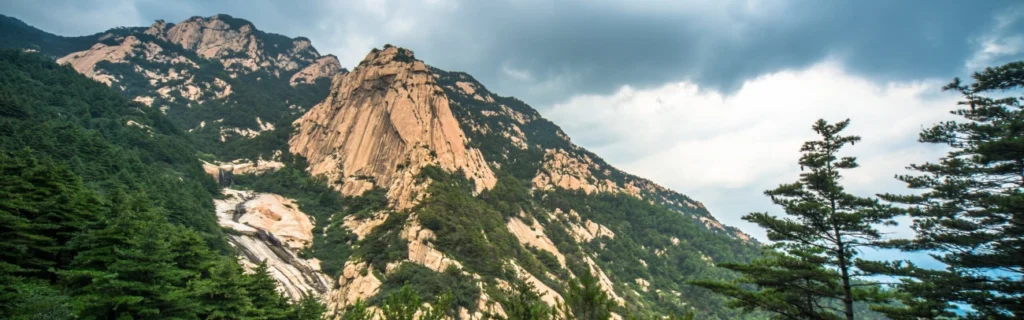
The Legend and History of South Heaven Gate
The South Heaven Gate — or Nantianmen — is more than just a mountain gate; it’s a legendary symbol steeped in history and myth. But why “South Heaven”? The name comes from the Taoist tradition that Mount Tai, in Shandong Province, serves as a cosmic axis connecting the earth to heaven. The “South” designation points to the mountain’s role as the southern entrance to the heavenly realm, believed to lead straight into celestial courts.
Originally built during the Yuan Dynasty (1271–1368), the gate was a vital part of the Mount Tai hiking route for pilgrims and emperors alike. The current structure you see today mainly dates from the Qing Dynasty rebuild, showing how this site has been preserved and respected for centuries.
According to Taoist beliefs, Mount Tai is no ordinary peak — it’s a sacred place where mortals can ascend to the divine. The South Heaven Gate is literally viewed as the entrance to the Jade Emperor’s court, the supreme deity in Taoism. Passing through this gate means stepping from the earthly realm into the mythic heavens.
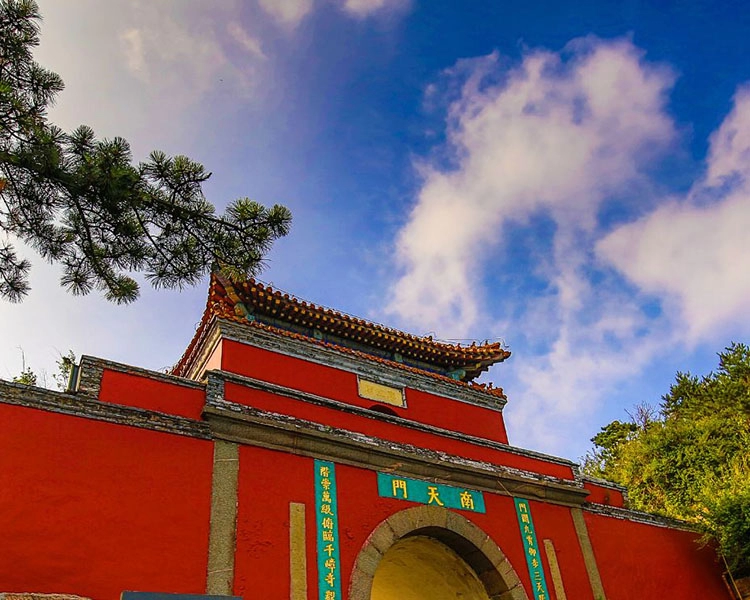
Architecturally, the gate is a striking two-story tower with bold red walls that stand out against the rocky mountain backdrop. On either side of the entrance, you’ll find the famous “Mengshan” couplets—intricate poetic inscriptions praising the mountain’s spiritual power and inviting travelers forward.
Whether you’re here for history, mythology, or awe-inspiring views, the South Heaven Gate represents the ultimate threshold between earth and the Taoist heavens on Mount Tai.
The Ascent: Conquering the Eighteen Bends
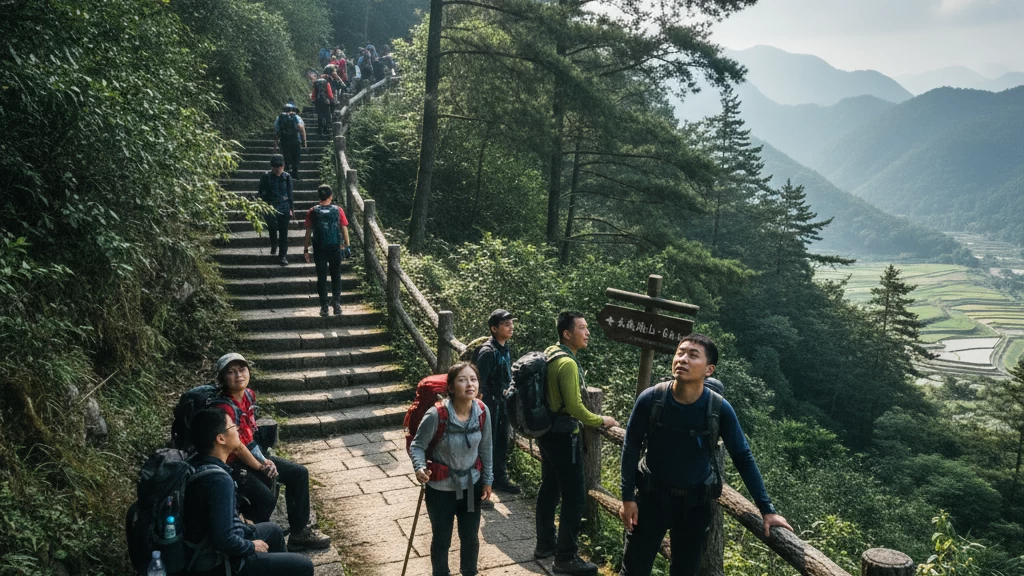
Right before reaching the South Heaven Gate, hikers face the toughest part of the Mount Tai hiking route—the Eighteen Bends (Shibapan). This steep, winding stone staircase snakes sharply upward, demanding focus and stamina. The trail is famous for its sharp hairpin turns and rugged steps, earning a reputation as both a physical and mental challenge.
The Eighteen Bends are traditionally divided into three sections:
- Slow Eighteen: The first section is the most gradual, designed to pace yourself and conserve energy.
- Not-Slow-Not-Fast Eighteen: The middle part picks up the pace with a steady, demanding climb.
- Fast Eighteen: The final stretch is the steepest and most intense, testing your endurance as you near the summit.
Covering roughly 1,600 stone steps in just under one kilometer, this climb gains significant elevation quickly. Expect your legs to burn, and your breathing to deepen as you push through. But despite the physical toll, the payoff is huge—the moment you see the imposing red walls of the South Heaven Gate rising above you, a rush of triumph and relief washes over every climber.
If you’re preparing for this ascent, keep in mind the rigorous nature of the climb and plan accordingly—proper pacing and hydration are key to conquering the Shibapan trail. For a detailed breakdown of the Mt. Tai steps and elevation, check out this comprehensive Mount Tai steps guide.
Reaching the Gate: Hiking vs. The Cable Car
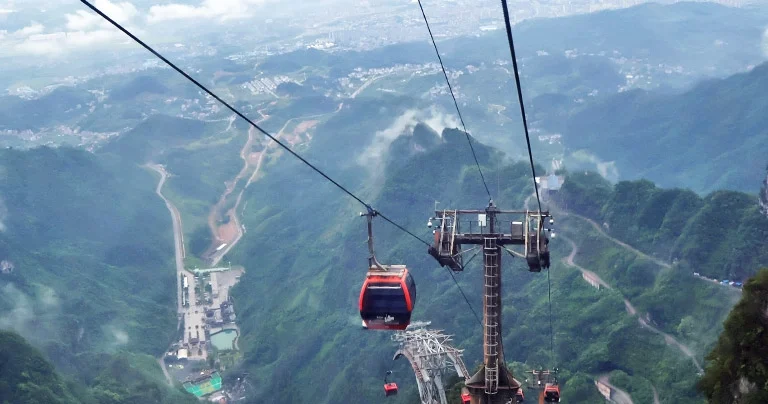
When it comes to reaching South Heaven Gate, you have two main options: the traditional hike or the Taishan Cable Car.
Option A: The Traditional Hike
For those wanting the full Mount Tai hiking route experience, the hike from the Red Gate (Hongmen) is the way to go. This trek is perfect for fitness enthusiasts who want to fully immerse themselves in the pilgrimage atmosphere. Expect to spend around 2 to 3 hours ascending, tackling the famous Eighteen Bends (Shibapan) on the way. The physical challenge is rewarding, and nothing beats the feeling of reaching South Heaven Gate on foot after conquering one of China’s most legendary Taoist mountains. For more detailed hiking tips, check out this comprehensive Mount Tai hike guide.
Option B: The Taishan Cable Car
If you prefer saving energy or have limited time, the cable car is a smart alternative. It runs from Midway Gate (at the halfway point of the mountain) up to South Heaven Gate near Moon Viewing Peak. This option skips most of the grueling climbs and brings you up in just minutes. The ride offers stunning panoramic views without the physical toll.
Pros and Cons
- Hiking: Complete experience, better views from the trail, physical challenge
- Cable Car: Faster, easier on the knees and legs, less time-consuming
- Downside: Taking the cable car up means missing out on the soul of the climb, while hiking down can be tough on sore knees.
Pro Tip
A popular strategy is to hike up via the Eighteen Bends and then take the cable car down. This way, you can enjoy the full challenge without overstraining your joints on the descent. Alternatively, if you have knee issues, opt for the cable car up and hike down slowly to soak in the scenery.
Whether you choose the traditional route or the cable car, reaching South Heaven Gate is a highlight of any trip to Mount Tai and the gateway to one of China’s most revered Taoist Mountains. For detailed travel tips on routes and logistics, check out our Mount Tai travel.
Exploring the Summit: What Lies Beyond the South Heaven Gate?
Passing through the South Heaven Gate, you’ll instantly notice a refreshing change in atmosphere. The air turns cooler and crisper, and the panoramic views open up dramatically—this is where the true majesty of Mount Tai hiking route reveals itself.
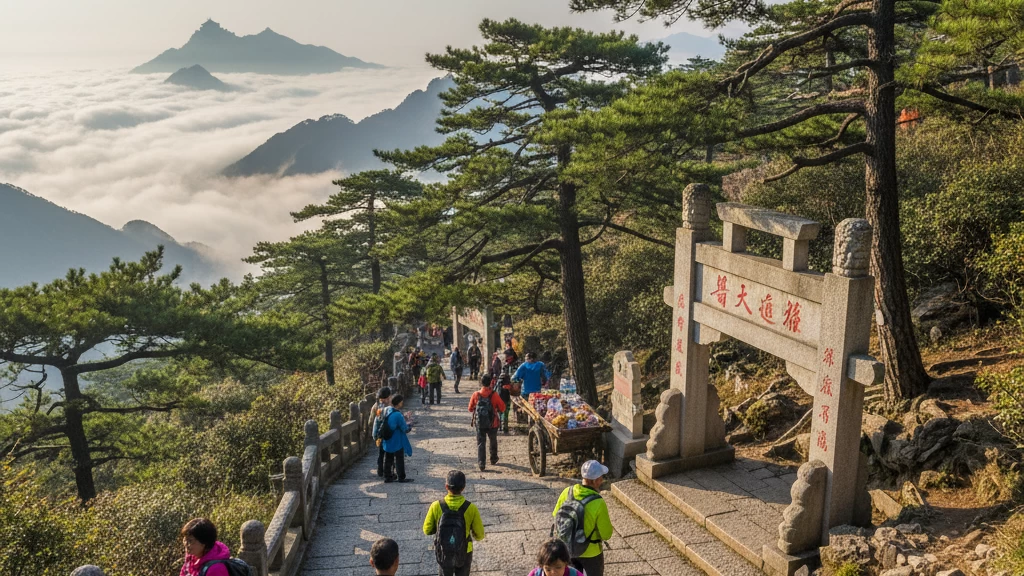
Just beyond the gate lies Sky Street (Tian Jie), a bustling marketplace perched high in the clouds. Here, you’ll find hotels, restaurants, and shops catering to hikers and pilgrims alike. It’s a lively spot to rest, grab a bite, and soak in the unique mountain culture surrounded by breathtaking scenery.
For those interested in the spiritual side, the Hall of the Three Pure Ones sits nearby along the path that leads toward Jade Emperor Peak. This temple complex is an important part of Taoist Mountains China, adding depth to the already rich mythology tied to Mount Tai.
Don’t miss out on capturing the stunning views. Some of the best photography spots are near the gate itself, especially looking back down the winding steps of the Eighteen Bends. The contrast between the ancient stone staircase and the vast sky creates truly memorable images.
For a deeper look at the overall experience, check out this detailed Mount Tai China view guide, which highlights scenic spots and cultural landmarks across the summit area.
Practical Travel Guide for South Heaven Gate
Best Time to Visit
The ideal seasons to visit South Heaven Gate are spring and autumn, when the weather is mild and the landscape is stunning. Early sunrises here are famous for breathtaking views, bathing Mount Tai in golden light, while sunsets offer a serene atmosphere with cooler temperatures. Aim to be at the gate just before dawn or late afternoon for the best experience.
Weather Warnings
Keep in mind that weather conditions at South Heaven Gate, which sits high on Mount Tai, can differ significantly from the base. It’s often windier and cooler, with temperatures dropping noticeably as you ascend. Sudden gusts and rapid weather changes are common, so be prepared for wind and chill, especially in early spring or late autumn. Check the latest Mount Tai weather forecasts beforehand to avoid surprises.
Accommodation Near the Gate
For those wanting to witness the sunrise without rushing, staying overnight near Sky Street at South Heaven Gate is an excellent choice. There are several hotels and guesthouses right by the gate area, making it easy to soak in the early morning views and explore the gateway surroundings before the crowds arrive. Booking ahead, especially during peak tourism seasons, is recommended.
What to Pack
Packing smart is key to a comfortable climb and visit around South Heaven Gate. Essentials include:
- A reliable windbreaker for sudden chills and wind gusts
- Walking sticks to handle the steep ascent, especially on the challenging Eighteen Bends (Shibapan)
- Plenty of water to stay hydrated throughout the climb
- Layers for temperature changes, as you’ll find it cooler the higher you go
Planning with these practical tips will help you enjoy your time at this sacred Taoist site without stress or discomfort.
For more detailed advice on the climb and weather, check our guides on the Mount Tai hiking route and Mount Tai weather.