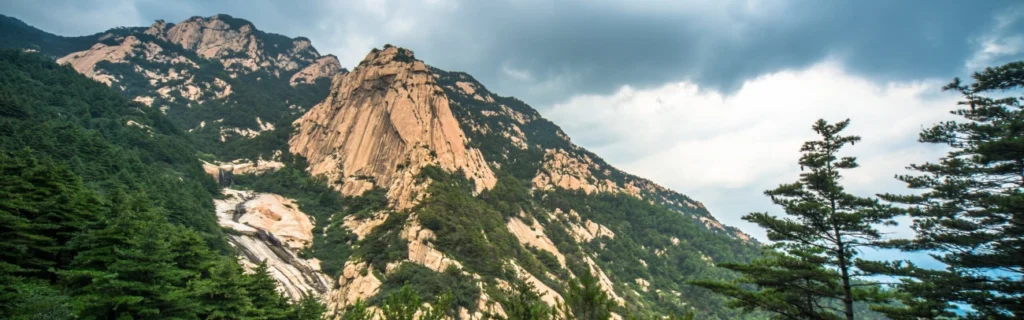
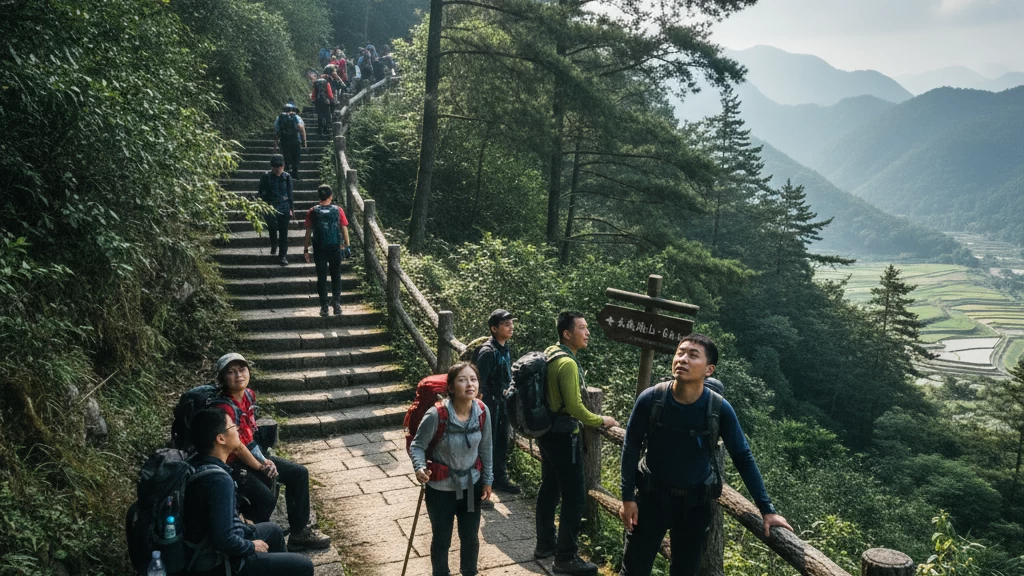
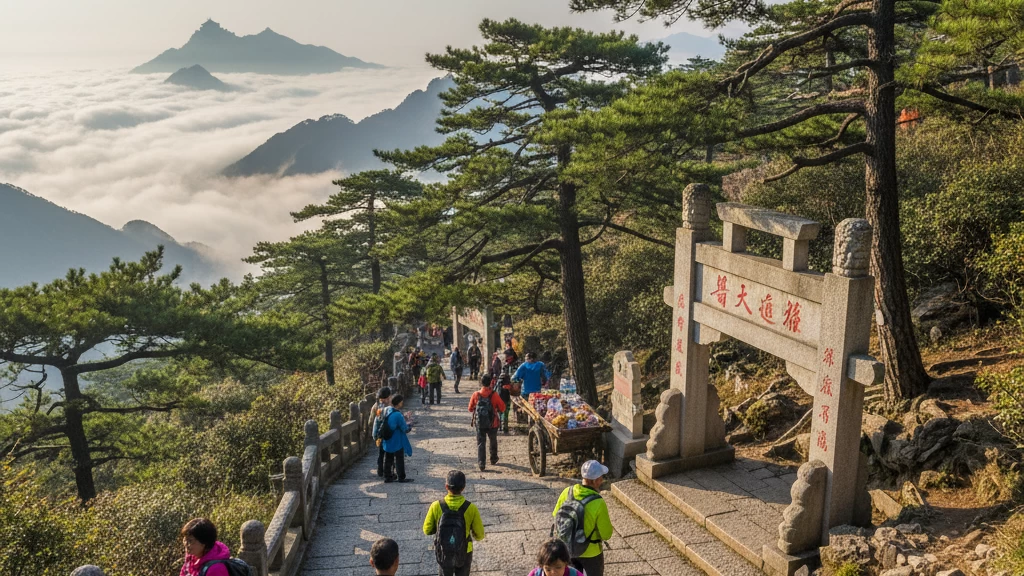
If you’re planning a trip to Mount Tai (Taishan), understanding the Mount Tai weather is not just helpful—it’s essential. From sudden mountain fog that can cloud your sunrise dreams to the cool summit chills that catch many off guard, the weather shapes every step of your journey. Whether you’re aiming for an epic climb, a serene cable car ride, or that iconic golden hour shot, knowing what to expect lets you pack smart, stay safe, and savor every moment. In this guide, we’ll cut through the jargon and deliver the clear, real-world weather insights you need to make your Mount Tai adventure unforgettable. Let’s get into the heart of Mount Tai’s weather—your perfect climb starts here.
Understanding Mount Tai’s Climate Basics
Mount Tai’s climate is shaped by its unique geography in Shandong province, featuring a dramatic elevation rise from the surrounding plains to its 5,400-foot summit. This vertical zonation means weather can shift quickly as you climb, with temperatures dropping about 3.5°F for every 1,000 feet gained. The base enjoys a temperate climate, while the summit feels notably cooler, often requiring layered clothing.
Annually, Mount Tai experiences moderate rainfall, primarily concentrated from June to August during the East Asian monsoon season. Average temperatures range from a chilly 27°F (-3°C) in winter at higher elevations to warm summer highs near 80°F (27°C) at lower altitudes. Snowfall blankets the summit in winter, adding both beauty and safety considerations.
Long-term climate monitoring shows subtle shifts around Mount Tai, including warmer average temperatures and changing precipitation patterns, consistent with regional climate change trends. These changes affect ecosystems and visitor conditions, making current weather data essential for any trip planning.
Seasonal Weather Breakdown
Spring on Mount Tai
Spring brings blooming trails and excellent sunrise views on Mount Tai. However, this season often comes with rainy conditions, so packing waterproof gear is essential. Lightweight rain jackets, quick-dry clothes, and sturdy hiking boots will keep you comfortable while exploring the blossoming landscape.
Summer Monsoon Patterns
Summer features the monsoon season, bringing frequent rain and humidity. While the summit remains cool compared to the base, sudden showers can make trails slippery. Prepare for wet conditions by bringing rain gear and waterproof bags. Visiting early in the day often means better weather for hiking and enjoying the scenic views.
Autumn’s Crisp Air and Foliage
Autumn is arguably the best time to experience Mount Tai’s crisp air and vibrant fall colors. Rainfall decreases, making trails drier and easier to hike. This season also hosts local festivals celebrating harvest time, adding cultural richness to your visit. Don’t miss the stunning autumn foliage hikes for breathtaking photo opportunities.
Winter Snow and Safety
Winter brings snow and icy trails to Mount Tai, creating a picturesque but challenging environment. Proper footwear with good traction is a must, along with layered clothing to combat the cold summit temperatures. Consider joining guided treks for safety, as local experts know how to navigate the winter conditions. Winter hiking can be rewarding but requires careful planning.
For more on seasonal tips and hiking routes, check out this detailed Mount Tai travel guide.
Best Time to Visit Mount Tai
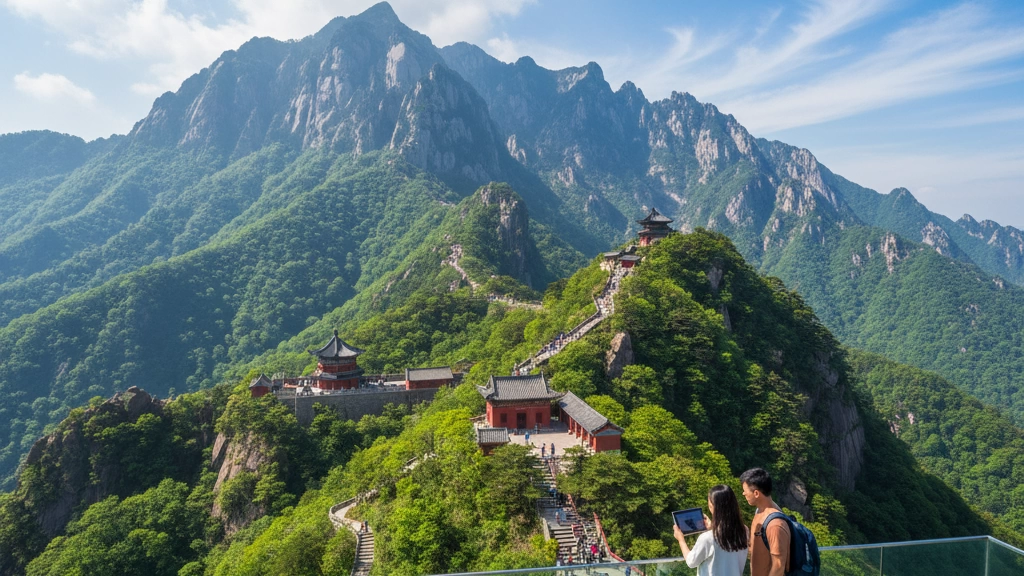
The best time to visit Mount Tai depends on what you want to experience and the weather conditions. Generally, September to November is the most comfortable period, with crisp autumn air, lower rainfall, and vibrant foliage — perfect for photography and hiking. Spring (April to May) is also popular as the trails bloom, but expect more rain.
If you’re aiming for the iconic sunrise viewing, early spring and autumn mornings offer clearer skies and pleasant temperatures — though arriving very early means cooler summit temperatures, so dress in layers. Families often prefer late spring and early autumn when the weather is mild and trails are less slippery.
Also, consider the local festivals hosted around Mount Tai, especially in autumn, which bring larger crowds but offer a richer cultural experience. Planning your visit during weekdays outside major holidays can help avoid the busiest times.
For detailed travel tips and insights about Mount Tai’s unique seasons, this Mount Tai travel guide is a great resource.
Packing Smart for Mount Tai

Packing smart for Mount Tai means preparing for variable weather and altitude changes. Start with layering essentials—think moisture-wicking base layers, a warm mid-layer, and a windproof jacket. This way, you can easily adjust to the notable Taishan summit temperature drop as you climb.
Rain is common, especially in spring and summer, so bring reliable rain gear like a waterproof jacket and lightweight poncho. Don’t forget UV protection: a wide-brimmed hat, sunglasses, and sunscreen are must-haves due to strong sun exposure at higher elevations.
Insect repellent also comes in handy, especially during warmer months when bugs are active on the trails. For safety, pack essentials like a first aid kit, a flashlight or headlamp, and sturdy hiking shoes to tackle rocky paths comfortably.
To respect Mount Tai’s natural beauty, consider eco-friendly packing:
- Use reusable water bottles and snack containers
- Choose biodegradable toiletries
- Avoid single-use plastics
Planning well not only improves your comfort but supports sustainable travel during your Mount Tai adventure. For detailed route packing tips, check out the Mount Tai hiking guide.
Weather Impacts on Your Adventure
Weather plays a huge role in your Mount Tai experience, especially if you’re aiming to catch the famous sunrise or sunset views. Clear mornings and evenings offer the best visibility, but fog, rain, or storms can often block these vistas. If clouds roll in, consider visiting sheltered viewing spots or exploring indoor cultural sites nearby instead of risking tricky trail conditions.
Storms during the monsoon season bring heavy rain, making trails slippery and sometimes leading to temporary closures. Always check updated trail conditions and transportation schedules before heading out—buses and cable cars may run on limited hours in bad weather. At higher altitudes, temperatures drop noticeably, so plan for layers to stay warm and watch for altitude-related fatigue.
Mount Tai’s weather also ties deeply into local culture. Many traditional festivals and rituals are timed around seasonal weather patterns, reflecting a long history of respect and adaptation to the mountain’s climate. To manage risks wisely, prioritize safety gear like sturdy shoes and rain covers, monitor weather forecasts regularly, and consider guided treks especially in unpredictable months.
By understanding how weather impacts your itinerary, you’ll enjoy a safer and more rewarding climb on this iconic Shandong mountain. For detailed cultural background related to Mount Tai’s natural environment, check our Mount Tai history and cultural guide.
Current and Future Weather Insights for Mount Tai
If you’re planning a trip to Mount Tai, checking the short-term weather forecast is key. Right now, temperatures at the summit tend to be cooler than the base by about 10-15°F, so pack layers. Expect daytime temps around the mid-60s°F in spring and fall, with summer highs reaching the low 80s°F but cooler at higher altitudes. Rain chances rise sharply during summer monsoon months, especially July and August.
Looking ahead to 2025, weather experts predict a typical monsoon season in Shandong Province, with April through September seeing regular rain showers. There’s also a slight chance of an El Niño event, which could bring warmer, wetter conditions than usual. This means an increased risk of sudden storms, so prepare accordingly if you’re visiting in summer.