The Timeless Legacy: A Journey Through Dai Temple’s Imperial Past
Dai Temple stands as a powerful symbol of China’s rich history, nestled at the foot of Mount Tai—a sacred site revered for thousands of years. Its origins trace back to the Qin and Han Dynasties when emperors conducted imperial fengshan ceremonies right here, offering sacrifices to heaven and earth to legitimize their rule. These ancient rituals not only marked political authority but also connected humanity to the cosmos, reflecting Taoist beliefs deeply rooted in this place.
During the Tang and Song Dynasties, Dai Temple flourished with extensive renovations that elevated its cultural and spiritual status. Poets and scholars found inspiration in its serene atmosphere, weaving Mount Tai’s majestic presence into celebrated works of Chinese literature and art. This era cemented the temple’s role as both a spiritual hub and a center of imperial grandeur.
Beyond its imperial heritage, Dai Temple holds profound Taoist significance. It embodies Taoist cosmology, with architecture and ritual aligning to natural forces and celestial order. Visitors today can still feel the echoes of ancient prayers and the timeless quest for harmony that filled its halls.
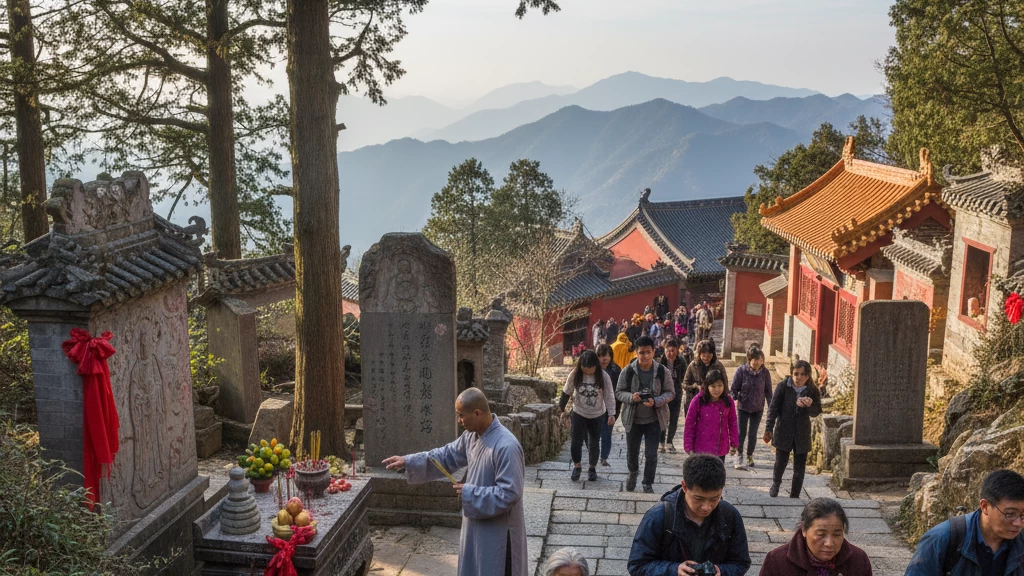
A fascinating glimpse into the past comes from the ancient Han cypresses standing proudly in the temple’s courtyard. These venerable trees have silently witnessed centuries of envoys, emperors, and pilgrims, standing as living monuments to Dai Temple’s enduring legacy and the unbroken human connection to Mount Tai.
Architectural Marvels: Exploring the Dai Temple’s Grand Ensemble
Dai Temple spans an impressive 96,000 square meters, laid out along a clear north-south axis that guides visitors through its sacred space. This grand design embodies ancient Chinese architectural principles, creating a balanced and harmonious environment that reflects the temple’s spiritual importance.
Among its iconic highlights is the Tian Kuang Hall, famous for its stunning mural that vividly depicts Taoist cosmology and imperial ceremonies. Nearby, the Han Cypress Courtyard offers a living link to history, where ancient cypresses from the Han Dynasty stand tall, reminding visitors of centuries past. The Yaocan Pavilion and the distinctive Bronze and Iron Towers further enrich the site with their intricate craftsmanship and historical significance.
Dai Temple also serves as a cultural museum with numerous steles and cliff inscriptions scattered throughout the complex. These stone carvings record centuries of pilgrimages, religious rites, and imperial visits, offering a vivid narrative of Mount Tai’s spiritual heritage.
Your Perfect Visit: Practical Guide to Dai Temple and Beyond

Best Times to Go
The ideal months to visit Dai Temple fall between April and October. Spring through early fall brings mild weather, blossoming trees, and vibrant mountain views. Fall colors peak around late September, making it a favorite for US travelers seeking scenic hikes and clear skies. Avoid Chinese public holidays if you prefer smaller crowds.
Getting There
- From Beijing: The fastest way is a high-speed train to Tai’an city, approximately 2.5 hours. From Tai’an, local buses or taxis take you directly to the temple.
- Local Transfers: Shuttle buses run between Tai’an train station, Dai Temple, and popular Mount Tai trailheads.
For detailed transit tips, check this Beijing to Mount Tai travel guide.
Tickets and Access
- Admission: General entry to Dai Temple is modestly priced and often included in combined Mount Tai tickets.
- Hours: The temple is open daily from 7:00 AM to 6:00 PM.
- Passes: Consider bundled passes for Mount Tai’s main attractions—these save both time and money.
Guided vs. Self-Tour
Booking a guided visit through Mount Tai Travel adds rich insights into Dai Temple’s history, architecture, and spiritual importance. Guided tours also ease language barriers and optimize your schedule. Self-guided visitors should download maps and audio guides to enhance the experience.
On-Site Essentials
- Pack Light: Comfortable walking shoes, water, sun protection, and layered clothing for temperature shifts.
- Photography: Use respectful etiquette—avoid flash in sacred halls and keep noise low.
- Accessibility: Parts of Dai Temple are accessible, but steep paths can challenge those with mobility issues.
Health and Safety
- Altitude: Average elevation is around 1,500 meters; mild altitude effects may occur but are generally manageable. Stay hydrated and pace yourself.
- Crowd Management: Peak seasons see higher visitor numbers; early morning visits help avoid the busiest times.
With these tips, your visit to Dai Temple and Mount Tai will be smooth, memorable, and safe. For route suggestions and hiking advice starting from Dai Temple, explore this Mount Tai hiking guide.
Immersive Experiences: From Temple Gates to Mountain Summit

Visiting Dai Temple isn’t just about sightseeing — it’s a full cultural and spiritual experience. Start at the temple gates where you can join locals in incense offerings—a meaningful Taoist ritual inviting blessings. Many visitors also savor traditional tea ceremonies, offering a quiet moment to connect with the mountain’s timeless energy.
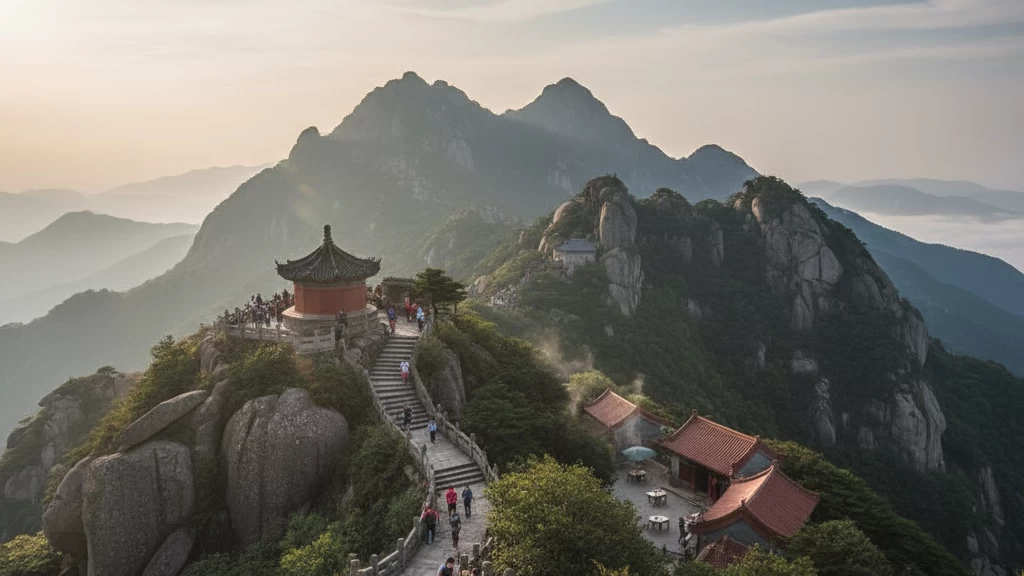
For adventure lovers, Dai Temple is the perfect base to explore Mount Tai’s nearby sites. The cable car routes from the temple area provide easier access to the summit if you prefer a less strenuous ascent. Those eager to hike can use well-marked trails that blend natural beauty with historical significance, making your journey both scenic and culturally rich.
When it comes to photography and mindfulness, here are the top five scenic spots around Dai Temple and Mount Tai:
- Han Cypress Courtyard: Ancient trees ideal for nature shots
- Tian Kuang Hall mural area: Stunning traditional artwork backdrop
- Bronze and Iron Towers: Unique architectural highlights
- Yaocan Pavilion: Panoramic mountain and temple views
- Jade Emperor Peak viewpoint: Breathtaking sunrise and sunset scenes
These places not only frame amazing photos but also provide calm spaces for meditation or simply soaking in the surroundings.
Dai Temple’s location is deeply tied to Shandong’s rich heritage and wider Chinese culture. Nearby, you can explore sites celebrating Confucius, whose teachings permeate the region’s identity. These cultural connections deepen your understanding of the temple’s spiritual and historical importance.
Finally, keep sustainability in mind during your visit. Many Mt. Tai hiking paths and tours now emphasize eco-friendly travel, aligning with the area’s UNESCO World Heritage status. This means encouraging low-impact hiking, respecting wildlife, and preserving the natural and cultural landscapes for future travelers.
Beyond the Temple: Why Dai Temple Ignites a Mount Tai Obsession
Many travelers find that their visit to Dai Temple sparks a deeper fascination with Mount Tai itself. Personal stories often mention a sense of peace felt while walking among the ancient Han Dynasty cypresses or standing before the majestic Tian Kuang Hall mural. These moments create a lasting emotional connection that keeps visitors coming back.
Dai Temple acts as a gateway to the mountain’s broader cultural and spiritual offerings. It’s part of the famous Four Marvels of Mount Tai, along with the Jade Emperor Peak, the iconic stone inscriptions, and the breathtaking sunrise views. This mix of history, nature, and myth has made Mount Tai a favorite for repeat visitors eager to explore every layer.
In today’s world, guests also appreciate Mount Tai for its wellness benefits. Many find that the quiet rituals at Dai Temple and the mindful hikes promote mental clarity, making it a popular post-pandemic escape. Its blend of spiritual tradition and natural beauty offers a perfect balance for health-focused travelers.
If you’re inspired to experience this yourself, consider starting your journey with a guided tour through Mount Tai Travel. Their itineraries often begin at Dai Temple, making it easy to dive into the history and culture while enjoying expert insights and smooth logistics. For an immersive start to your Mount Tai adventure, visiting Mount Tai Travel’s planning resources can make all the difference.