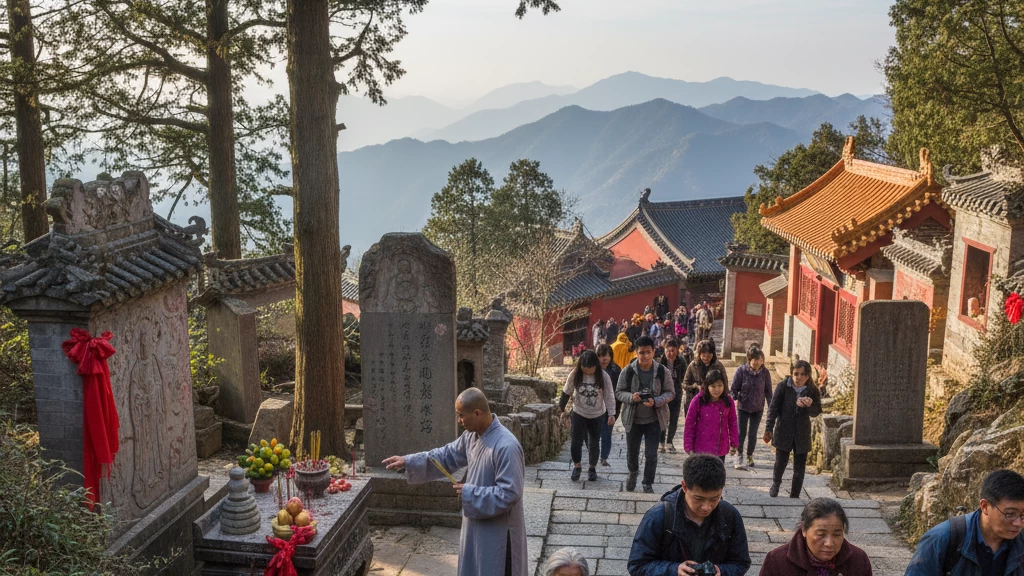
The Storied Soul of Mount Tai
Mount Tai, rising proudly in Shandong Province, is more than just a mountain—it’s a living symbol of China’s rich history and spiritual heritage. For over 3,000 years, this sacred peak has inspired emperors, poets, and pilgrims alike. Ancient Chinese royalty performed important fengshan rituals here, seeking blessings and legitimacy from the heavens atop Jade Emperor Peak.
Geography and Natural Wonders of Mount Tai
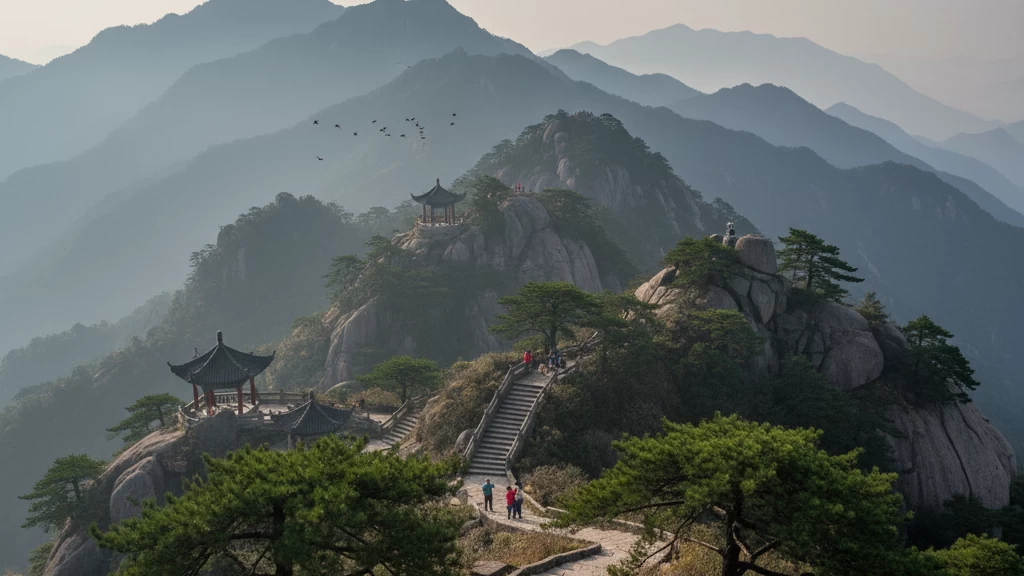
Mount Tai, located in Shandong Province, is one of China’s most sacred mountains, famous for its breathtaking natural beauty and rich cultural landscape. Sitting near the city of Tai’an, this UNESCO Mount Tai heritage site stretches across rugged peaks, deep valleys, and lush forests that change dramatically with the seasons.
The mountain’s most notable scenic highlights include the Jade Emperor Peak, the highest point offering panoramic views, and the famous sunrise views that draw thousands every year. Around the summit, you’ll find pristine hiking trails, towering ancient cypress trees, and streams that add to the serene atmosphere.
Seasonally, Mount Tai offers something special: vibrant autumn foliage, snowy winter landscapes, and spring blooms that paint the slopes with color. Eco-conscious travelers will appreciate the protected areas preserving endemic flora and fauna, making it a living natural museum.
For more on the mountain’s iconic features and natural environment, you can explore a detailed Mount Tai travel guide that highlights the best spots and scenic routes to fully experience the region’s wonders.
Getting There: Air, Rail, and Local Transport
Mount Tai is easily accessible from major hubs in Shandong Province. The nearest city, Tai’an, serves as the main gateway with excellent rail and road connections.
Air and Rail Hubs
- Jinan Yaoqiang International Airport is the closest major airport, about 70 miles from Mount Tai. From here, you can catch a train or bus to Tai’an.
- Tai’an Railway Station links directly to high-speed trains from Beijing, Shanghai, and other cities, making it a convenient entry point for travelers.
Ground Transport and Local Navigation
- Once in Tai’an, the simplest way to reach the Mount Tai base is via local buses, taxis, or rideshare apps. Regular shuttle buses run from the city to the mountain entrance.
- For those wanting a smoother ascent, there are cable car routes up Mount Tai that save time and energy, especially if you want to focus on the highlights like Jade Emperor Peak.
Pro Tip with Cost Estimator
- Train fares vary but expect around $20–$40 for high-speed rail from Jinan or Beijing.
- Local bus rides cost roughly $1–$3, while taxis to the mountain base are about $10–$15.
- Cable car tickets range from $15 to $25 depending on the route chosen.
For detailed transportation options and practical routes, check out this Tai’an travel guide with transport tips and routes.
Your Perfect Itinerary for Mount Tai
Day 1: Start with the Classic Climb
Kick off your trip early with a hike along one of the popular Taishan Mountain hiking trails. Many travelers aim for the Jade Emperor Peak ascent to catch the iconic Mount Tai sunrise views—arriving before dawn is key to experiencing this breathtaking moment. If hiking seems daunting, opt for the Mount Tai cable car routes that get you close to the summit with less effort. Don’t miss the Dai Temple at the base, a historical site that sets the tone with its rich connection to Chinese imperial fengshan rituals. For detailed timing and climbing tips, check out a reliable Mount Tai climb guide.
Day 2: Explore Cultural Gems and Scenic Sights
Dedicate your second day to exploring the sacred Shandong mountains’ cultural spots. Visit the various temples and inscriptions scattered around, immersing yourself in the UNESCO Mount Tai heritage. Take your time wandering spots less visited by tourists, appreciating the area’s deep spiritual vibe and natural beauty. In the late afternoon, a stroll through Tai’an town offers a relaxed way to experience local life, local markets, and cafes.
Extensions & Customization
If you have more days, consider side trips to other Shandong Province attractions like Qufu, the hometown of Confucius. Customize your stops based on your interest—whether it’s extra hiking, photography, or tasting traditional cuisine around Mount Tai. The area has plenty of hidden gems worth exploring at a slower pace.
Travel Tips
- Start your days early to avoid crowds and heat on the trails.
- Book transport and tickets in advance during peak seasons.
- Wear comfortable shoes and pack layers; weather can change quickly on the mountain.
This itinerary links practical travel logistics with meaningful cultural stops, making your Mount Tai visit both memorable and manageable. For a full Tai’an travel guide and insider info on getting around, visit Mount Tai Travel Guide.
Practical Essentials for Mount Tai Shandong
Ticketing Decoded
Mount Tai’s park admission is straightforward. You’ll need an entrance ticket, usually around 150 RMB (about $22). Cable car rides up Jade Emperor Peak or other routes cost extra—expect 90-120 RMB ($13-$18). Buying tickets online ahead often saves time, especially in peak seasons. Keep your ID handy for discounts if you qualify.
Gear Guide
Bring sturdy walking shoes or hiking boots for the Taishan Mountain hiking trails; some paths are steep and paved with stone steps. Dress in layers—the weather can change fast, especially near the summit. A lightweight rain jacket, sunblock, and a hat are smart additions. Don’t forget water and snacks to keep your energy up.
Health and Safety
Mount Tai’s elevation is manageable, but the climb can be taxing if you’re out of practice. Pace yourself and take breaks on the way up, especially when ascending Jade Emperor Peak. Watch out for crowds on popular trails, as this can slow traffic and increase risk. Cell coverage is decent, but having a portable phone charger is a good idea.
Budget Breakdown
- Entrance Ticket: ~$22
- Cable Cars: $13 – $18 each way
- Local Transport: $5 – $15 depending on your route
- Meals & Snacks: $10 – $20 per day
- Souvenirs & Extras: $10 – $30
Plan for around $70-$100 total for a two-day trip, including modest dining, transport, and a cable car ride. Staying overnight in Tai’an varies; budget hotels start around $30 per night.
Beyond the Climb: Culinary trail, Nearby escapes, Souvenir spotlight, Community angle
After tackling Mount Tai’s hiking trails or taking the cable car routes, there’s plenty to enjoy beyond the summit. Shandong Province offers a rich culinary scene that highlights local flavors; don’t miss trying jianbing (savory crepes) and Taishan specialty dishes like mountain herbs and steamed buns. Tai’an city, just at the mountain’s base, has cozy eateries that pair well with your outdoor adventure.
For nearby escapes, check out the Dai Temple, a UNESCO Mount Tai heritage site that brings Chinese imperial fengshan rituals to life. It’s a short trip from the main climbing spots and offers a deep dive into local history and culture. Also, explore the quiet valleys and small villages around the mountain to soak in rural Shandong life.
When it’s time to pick up souvenirs, look for traditional Mount Tai calligraphy scrolls, jade trinkets symbolizing the Jade Emperor Peak ascent, and local crafts made by artisans in Tai’an. These make meaningful mementos from your journey.
Finally, the community angle here is strong. Supporting local guides and businesses helps preserve both the natural environment and cultural legacy of Mount Tai. Engaging respectfully with residents enriches your visit and keeps this sacred mountain special for future travelers.