Looking for Mount Tai’s location and wondering why it matters? Nestled in western Shandong Province, just south of Tai’an City and a stone’s throw from Jinan, Mount Tai isn’t just a point on a map — it’s a gateway to China’s rich history and breathtaking landscapes. Whether you’re planning your first trip or just curious about where this sacred summit rises, knowing exactly where it sits helps you unlock smooth travel plans and unforgettable adventures. Stick around, and we’ll show you how to turn Mount Tai’s location into your ultimate starting point for an epic journey.
Geographical Essence: Pinpointing Mount Tai on the Map
Mount Tai, or Taishan Mountain, stands proudly in Shandong Province, eastern China. Its precise location is near the city of Tai’an, nestled at the mountain’s foothills. The iconic Jade Emperor Peak, the highest point, reaches 1,532.7 meters (5,031 feet) above sea level. Covering an area of about 426 square kilometers, this sacred peak is a dominant natural landmark visible from miles around.
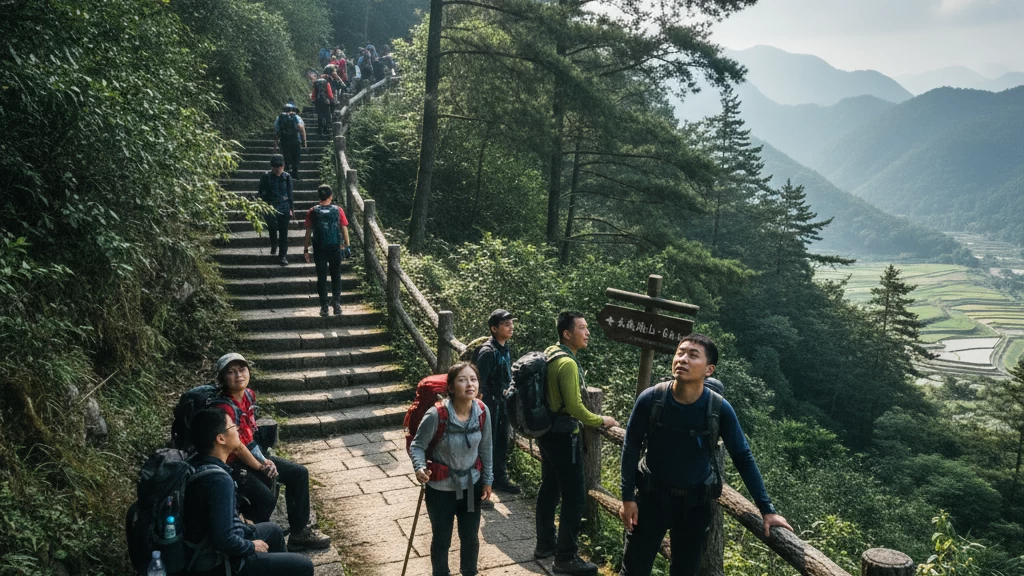
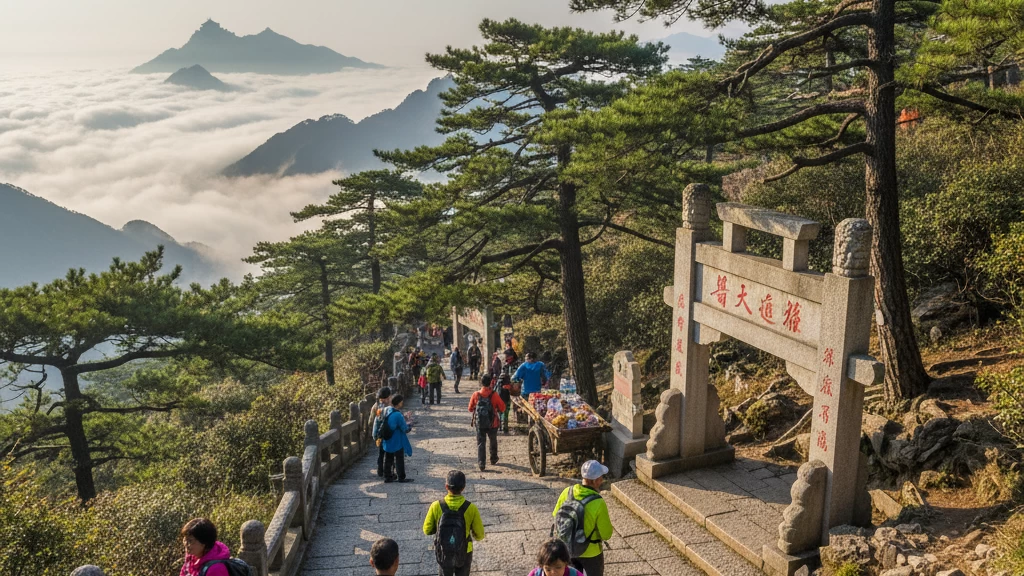
The terrain is dramatic and varied—steep rocky cliffs give way to lush forests below, shaped over millions of years through complex geological activity. Mount Tai itself is part of the Taihang mountain range and formed mainly from ancient volcanic and sedimentary rocks. Its prominence and elevation have long made it a vital symbol in Chinese culture, perfectly blending natural grandeur with spiritual significance.
So if you’re looking at a map of Shandong, pinpoint Tai’an city first—Mount Tai rises just south of it, marking the heart of this UNESCO-listed site and one of the Chinese Five Sacred Mountains.
Accessibility Unlocked: How to Reach Mount Tai from Anywhere
By Air
The closest airport to Mount Tai is Jinan Yaoqiang International Airport (TNA), about 90 miles from Tai’an city, where Mount Tai’s base is located. From major U.S. gateways like Los Angeles (LAX) or New York (JFK), your best bet is to fly into Beijing Capital International Airport (PEK) or Shanghai Pudong International Airport (PVG), both of which have frequent domestic connections to Jinan or Tai’an. Booking these connecting flights early can save time since direct options to Tai’an are limited.
By Rail
China’s high-speed rail network makes getting to Mount Tai straightforward. From Beijing or Shanghai, take a bullet train directly to Tai’an Railway Station. The trip from Beijing takes about 2.5 hours, while from Shanghai it’s roughly 3 hours. Tai’an station offers convenient transport options to the mountain’s trailheads, meaning you can skip long taxi rides and jump straight into your hike. For detailed rail schedules and tips, check this Mount Tai travel guide on hiking routes and access.
By Road
Driving to Mount Tai from nearby cities is relatively simple, with well-maintained highways connecting Tai’an to Jinan, Beijing, and Shanghai. If you prefer public transport, intercity buses run regularly from these locations to Tai’an Bus Station. From there, local buses or eco-friendly shuttle services operate to the mountain’s entrance. During peak season, expect heavier traffic near the mountain, so plan your trip early in the day or opt for shuttle buses to avoid congestion.
Local Nuances
Keep in mind that Mount Tai draws large crowds, especially during holidays like Chinese New Year and the National Day Golden Week. To beat the rush, use the eco-friendly shuttle service available from Tai’an city to the summit area. These shuttles help reduce environmental impact and offer a smooth ascent without waiting in long lines. It’s also worth downloading real-time crowd apps to stay updated on traffic conditions and shuttle availability.
For a full map and detailed routes, see the Mount Tai map guide to plan your journey efficiently.
Nearby Gems: Integrating Mount Tai into a Shandong Itinerary

Mount Tai’s location makes it easy to combine with other cultural and historic hotspots in Shandong and beyond. Just 70 miles south of Tai’an city, where Mount Tai rises from the foothills, you can explore Qufu — the birthplace of Confucius and a must-see for history lovers. From there, Beijing is roughly a 4-hour high-speed train ride north, offering a perfect blend of ancient and modern China if you want to extend your trip.
Sample 3-Day Loop Itinerary
- Day 1: Arrive in Tai’an, visit Dai Temple at Mount Tai’s base, then take a cable car up to Jingdian or start a moderate hike.
- Day 2: Summit Jade Emperor Peak early for sunrise views, descend via hiking trails, and explore nearby natural parks.
- Day 3: Take a day trip to Qufu to visit the Confucius Temple, Cemetery, and Mansion before heading back to Tai’an or onward to Jinan.
Budget and Transport Tips
- High-speed trains connect Tai’an with Beijing and Jinan, costing $20-$40 per trip.
- Local buses and shuttle services provide affordable connections between Mount Tai and Qufu.
- Budget roughly $100-$150 for transport, tickets, meals, and entry fees over 3 days.
US Traveler Focus
- Shandong is 13 hours ahead of Eastern Time (ET), so plan for jet lag, especially if you intend to catch Mount Tai’s legendary sunrise.
- Buy a Chinese SIM card on arrival or use an international roaming plan with a local data package to stay connected. Many hotels and transportation hubs in Tai’an offer convenience for SIM card purchase.
This mix of nearby historical gems and practical itinerary suggestions helps maximize your time around Mount Tai and Shandong. For more detailed routes and travel tips, check out Mount Tai travel access and hiking routes to plan your trip smoothly.
Beyond the Map: What Makes Mount Tai’s Location Legendary
Mount Tai’s location isn’t just a spot on the map—it’s a place steeped in history and culture. For over 3,000 years, it has been a sacred site where emperors performed ancient Fengshan rituals to legitimize their rule and honor heaven and earth. This deep cultural layer adds a powerful spiritual weight to the mountain, making it one of China’s most significant landmarks among the Chinese Five Sacred Mountains.
Beyond its historical role, Mount Tai is a natural treasure trove. The area is rich in biodiversity with unique plants and animals that thrive along its slopes. Many visitors rise early just to catch the famous sunrise from Jade Emperor Peak at 1,532.7 meters—a breathtaking sight that perfectly illustrates why this place inspires legends and devotion.
Today, Mount Tai remains a symbol of spiritual importance, attracting pilgrims, hikers, and travelers alike. Its blend of natural beauty and cultural depth continues to shape the identity of the region, making it a living link between China’s past and present.
For more on Mount Tai’s cultural and natural backdrop, the detailed history of Mount Tai sheds light on the mountain’s enduring significance.
Essential Prep: Weather, Logistics, and Insider Hacks for Your Visit

Climate Calendar and Best Seasons to Visit
Mount Tai experiences four distinct seasons. The best time to visit is from late spring (April to June) and early autumn (September to October), when the weather is mild and the views are clear. Summers can get hot and crowded, while winters are cold, with occasional snow at Jade Emperor Peak (1,532.7 meters elevation). If catching the sunrise is on your list, early autumn offers the clearest mornings.
Entry Essentials: Tickets, Cable Car vs. Hiking Options
Tickets are required to enter Mount Tai’s scenic area and can be bought online or at the entrance. For convenience, many travelers choose the cable car to save time and energy, especially the famous cable line from the south side near Dai Temple. Hiking remains popular for those who want the full experience but be prepared for steep and sometimes crowded trails. Planning your route and start time is key.
Packing Checklist and Real-Time Crowd Apps
Pack comfortable hiking shoes, layered clothing, a hat, sunscreen, and plenty of water. Don’t forget a portable phone charger since you’ll likely be using your phone for photos and navigation. To avoid crowds, apps like “Mount Tai Travel Guide” offer real-time visitor flow updates and trail conditions, helping you pick quieter times to explore.
Safety Tips for International Travelers
- Carry your passport and a copy, as ID checks are common near ticket booths.
- Download a Chinese SIM card or a reliable roaming plan for navigation and emergency contacts.
- Stick to marked paths and watch your footing on steep sections.
- Be mindful of altitude changes if you have respiratory or heart conditions.
- Stay hydrated and eat small meals to maintain energy while hiking.
Getting these details right will make your Mount Tai visit smooth and memorable. For more tips on how to plan your routes and what to expect on the trails, check out this detailed Mount Tai travel guide.
Guided Adventures: Tailored Experiences from Mount Tai Travel
Exploring Mount Tai is easier and more rewarding when you choose from custom tours designed for different interests and fitness levels. Sunrise hikes are a favorite, offering unforgettable views as the sun lights up the Jade Emperor Peak. For those interested in history and culture, guided cultural walks through ancient temples and Fengshan ritual sites give deep insight into the mountain’s spiritual legacy. Families will also find special packages that balance sightseeing with easy routes and engaging storytelling for kids.
Eco-conscious travelers can opt for tours that minimize environmental impact, including small group options and use of the mountain’s electric shuttles. These tours help preserve the fragile local ecosystem while still delivering immersive experiences.
When booking, check cancellation policies as they vary by season and type of tour. Many operators offer flexible rescheduling in case of weather disruptions. For reliable options and trip planning assistance, the Mount Tai Travel site is a trusted resource with up-to-date information and booking support.