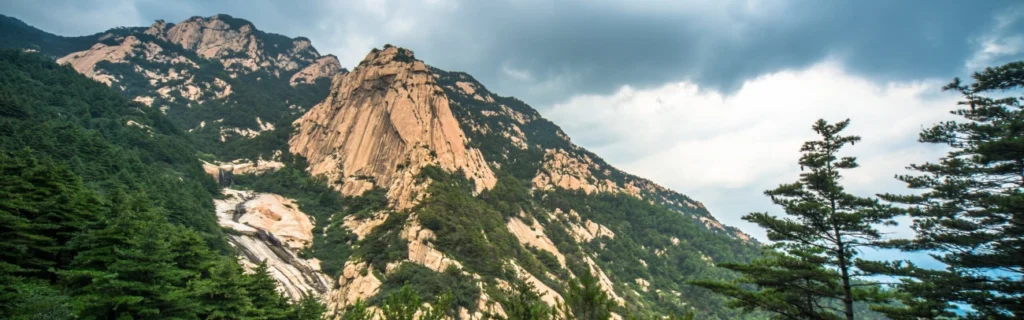
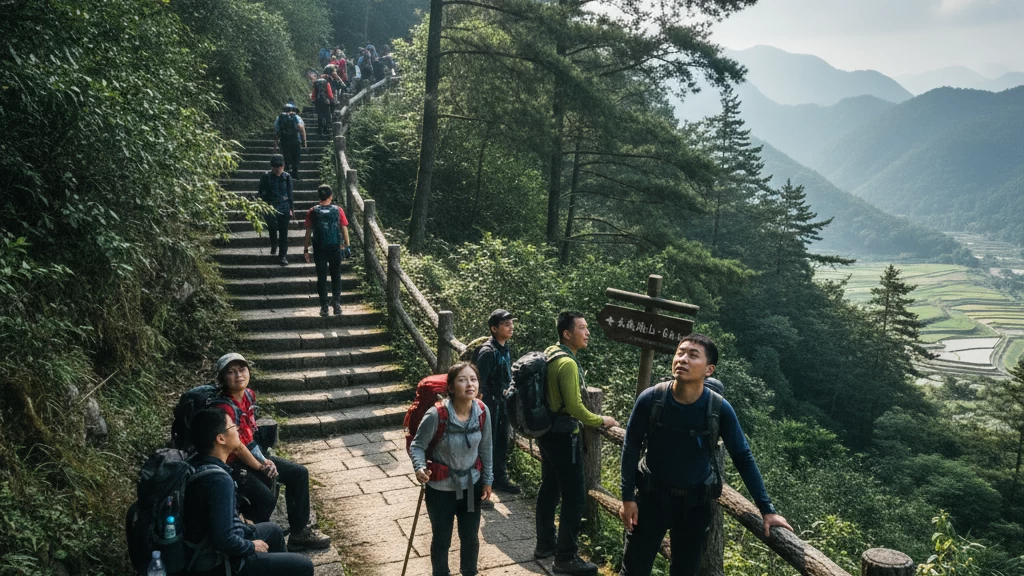
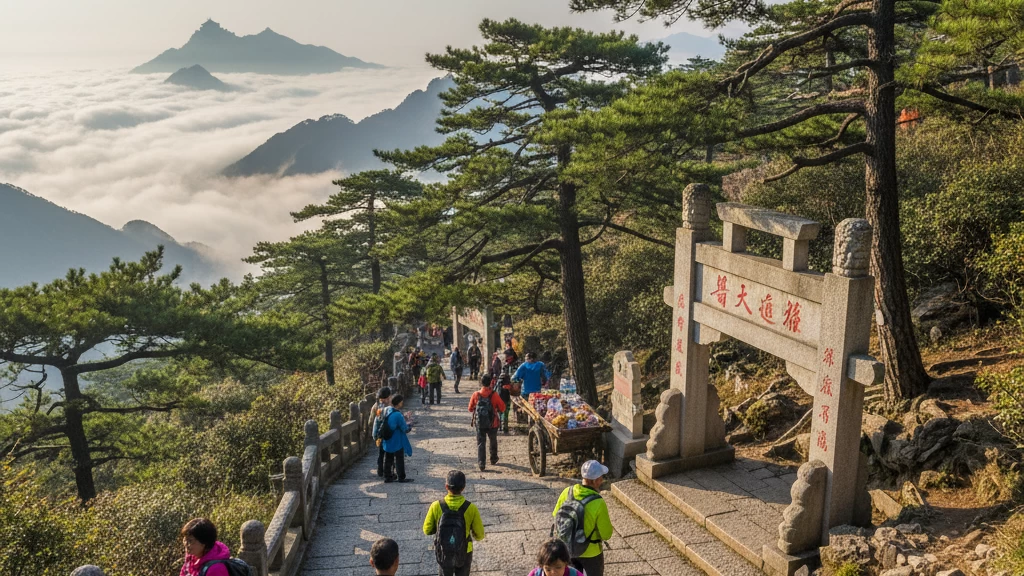
If you’re gearing up for the ultimate Mount Tai hike, you’re about to embark on a journey that’s more than just a climb—it’s a step into 3,000 years of history, culture, and breathtaking natural beauty. Whether you’re chasing that iconic sunrise over Jade Emperor Peak or tackling the legendary 7,000 stone steps, this sacred mountain demands respect, prep, and the right insider know-how. In this guide, you’ll get everything you need to conquer the challenge confidently—from trail insights and seasonal tips to smart packing and crowd hacks. Ready to turn those daunting steps into your next unforgettable adventure? Let’s dive in.
The Heart of the Hike: Understanding Mount Tai’s Trails and Challenge Level
If you’re gearing up for the Mount Tai hike, here’s what you need to know straight away. The classic route stretches about 9 to 10 kilometers, featuring roughly 6,660 to 7,200 steps climbing a vertical elevation of 1,391 meters. Expect to spend 4 to 6 hours ascending, depending on your pace and stops.
Route Breakdown: Pick Your Path
Mount Tai offers several well-marked trails, each with its own vibe and challenge:
- Classic East (Imperial) Route – The legendary path emperors once used, filled with ancient stone stairs and sacred temples.
- West Route – Less crowded and steeper, great if you prefer a quieter climb.
- South Route – Scenic and moderate, with lush forest surrounds.
- North (Peach Blossom) Route – Known for stunning spring blooms, ideal for nature lovers.
How Tough Is It?
Think of this hike like a vertical StairMaster marathon. It’s a real test of stair endurance, demanding steady fitness, strong knees, and good cardiovascular stamina. You’ll be climbing thousands of stone steps that don’t quit.
Training tips before you hit Taishan’s 7,200-step challenge:
- Focus on stair climbs and hill training.
- Build knee strength with squats and lunges.
- Add endurance cardio to your routine.
Pro Tip from Mount Tai Travel
Don’t go it alone—consider a guided ascent. Guides not only help you skip long lines but also reveal hidden gems like ancient inscriptions and Daoist temple stories that you’d likely miss on your own. It’s worth every dollar for an enriched and smoother hike experience.
Best Time to Hike Mount Tai: Seasonal Insights for Optimal Views and Comfort
Mount Tai offers something special all year round. In spring, vibrant blooms add color to the sacred trails, while summer is perfect for catching the famous Mount Tai sunrise. Autumn treats hikers to spectacular foliage, and winter shows off a magical rime frost covering the stone steps and ancient temples.
For the best experience, plan your hike during spring (April to June) or autumn (September to November) when the weather is comfortable and crowds are thinner. Peak summer months can be hot and busy, so consider weekdays or early mornings to avoid the rush.
If you’re aiming for the sunrise hike, prepare for a midnight start to reach the summit in time. Many hikers book a summit hotel the night before to rest and fully enjoy the sunrise from Jade Emperor Peak without the morning scramble.
Weather on Mount Tai can change fast. Layer your clothing and check real-time forecasts before heading out. For convenience, gear rentals on-site can save you from packing bulky equipment, especially if you want to bring trekking poles or headlamps.
For detailed weather tips and the best routes by season, explore this Mount Tai weather guide and plan your trek to match the mountain’s changing moods.
How to Get There..Seamless Access from Major Hubs
Getting to Mount Tai is straightforward thanks to excellent transportation links. From major Chinese cities like Beijing and Shanghai, high-speed trains run regularly to Tai’an, the gateway city to Mount Tai’s trails. Once in Tai’an, shuttle buses and rideshares provide easy access to the mountain’s trailheads, making your trip smooth and hassle-free.
For international travelers, visa-free transit options and clear English signage at airports and train stations help simplify navigation. Tai’an also offers convenient airport transfers that coordinate with flight arrivals, ensuring you won’t have to worry about missing connections.
When packing, consider using luggage storage services in Tai’an so you can hike light. A well-packed daypack with essentials—water, snacks, layers—is ideal for the Taishan climbing route to keep you agile and comfortable on the ascent.
For detailed transportation options and tips, check out this practical guide on getting to Mount Tai.
Essential Preparation: Gear, Fitness, and Packing for Stair-Master Success
Tackling the Mount Tai hike is like a StairMaster marathon—getting your legs ready is key. Focus on stair workouts and exercises that build knee strength to help you handle the 6,660–7,200 steps without burnout. Even a few weeks of consistent training can make a big difference.
When it comes to gear, trail runners with good grip are a must, along with trekking poles to ease the knee strain during steep climbs and descents. Bring a hydration system—water bottles or a pack—to stay hydrated throughout the 4–6 hour ascent. A headlamp is essential if you plan an early sunrise hike or a nighttime start. Consider knee sleeves if your joints need extra support.
Nutrition-wise, pack easy energy boosters like energy gels or bars, plus some local snacks to keep your energy steady. It’s also smart to prepare for the altitude and carry any motion sickness medicine if you’re sensitive. Know the locations of emergency spots and summit clinics along the trail in case you need help.
By gearing up properly and prepping your body, the iconic 7200 steps challenge becomes a rewarding adventure rather than a grind.
For more detailed advice on trail readiness and packing, check out our comprehensive Mount Tai hiking guide.
Step-by-Step Hiking Itinerary..From Trailhead to Triumph

Day 1: Ascent and Key Milestones
Start your Mount Tai hike early using the classic East Route, also known as the Imperial steps ascent. The trail stretches about 9–10 km with roughly 7,200 steps and climbs nearly 1,400 meters. Along the way, hit major highlights like the serene Dai Temple at the base, the iconic Red Gate, and the challenging 18 Bends—an endless series of switchbacks that test your stair endurance. The ultimate reward is reaching Jade Emperor Peak with its sweeping views of Tai’an and the Shandong plains.
Overnight Summit Stay
For the full experience, book an overnight summit stay. There are mountain hotels near the peak that let you rest and prepare for the famous Mount Tai sunrise hike. Evening activities include soaking in the sunset, exploring ancient rock inscriptions, or simply enjoying a peaceful night above the clouds.
Day 2: Sunrise Spectacle and Descent
Wake up before dawn for one of the best sunrise views in China. Many hikers start around midnight or camp overnight for a front-row seat. After the sunrise, you can descend via the West or South routes, which have slightly different scenery and fewer crowds. On your way down, stop at Daoist temples and historical sites that give insight into the mountain’s cultural importance.
Pacing and Hydration Tips
- Move steadily up the stairs; take breaks to catch your breath but keep a consistent pace.
- Stay hydrated with plenty of water and bring energy snacks like local nuts or energy gels.
- Consider a guided package—it helps skip lines, point out hidden inscriptions, and set a good pace while keeping you safe.
If you want detailed route options and temple stops, check out this Mount Tai temple guide and the full hiking steps breakdown.
Budget Breakdown: Costs, Fees, and Value Hacks

Hiking Mount Tai doesn’t have to break the bank. Here’s a quick rundown of what to expect when budgeting for your Taishan climbing route adventure:
-
Park Entry and Transport Fees: The entrance ticket to Mount Tai’s scenic area typically costs around $20–$30, depending on the season. Add shuttle buses or cable car rides if you want an easier ascent or descent—they range from $10–$25 each way. Booking transport ahead can save time and money.
-
Food and Lodging Costs: Eating on the mountain usually means simple meals costing $5–$15. Summit overnight stays, like those near Jade Emperor Peak, vary from budget hostels to mid-range lodges, around $40–$80 per night. Traveling off-peak can get you better rates on both food and lodging.
-
Sample Budgets for Solo and Family Trips:
- Solo travelers should budget about $80–$120 for a day trip including tickets, meals, and transport.
- Families planning a multi-day trek might expect $250–$400 total, including summit stays, extra meals, and some guided services.
-
Mount Tai Travel Bundled Discounts: Consider booking with Mount Tai Travel, as they offer bundled packages combining park entry, transport, lodging, and guided hikes. These packages often bring better value and smooth logistics—check their Mount Tai hostels and lodging options for deals and availability.
Planning your budget upfront means more focus on the hike itself—and less on unexpected expenses.
Safety First: Navigating Crowds, Weather, and Stamina
When tackling the Mount Tai hike, safety should be your top priority. Crowds can peak during weekends and holidays, so plan for early morning starts or choose weekdays to enjoy a quieter trail. This helps prevent congestion, especially on the classic East Route.
Weather changes quickly on Mount Tai. Watch out for slippery steps after rain or frost, and protect yourself from heat exhaustion during summer’s midday sun. Dress in layers and keep a hat and sunscreen handy.
Know your emergency options: carry offline maps on your phone since signal can drop, and be aware of summit clinics for first aid if needed.
Lastly, respect the sacred nature of the trail—observe cultural etiquette by speaking softly near Daoist temples and avoiding litter. Following these safety tips will help ensure a smooth and enjoyable ascent.
For a deeper look at Mount Tai’s trails and cultural significance, check out this detailed guide to Mount Tai’s sacred mountain trail.
Beyond the Steps: Cultural and Natural Highlights to Savor
Mount Tai isn’t just about conquering the 7,200 steps or reaching Jade Emperor Peak—it’s rich in culture and nature waiting to be explored. Along the Imperial steps ascent, you’ll find ancient emperor seals and Daoist shrines that tell stories of centuries-old pilgrimages, giving you a real sense of the mountain’s sacred history.
Nature lovers will enjoy early morning hikes when the air fills with bird calls and muntjac deer quietly roam the trails. Seasonal wildflowers add splashes of color that contrast beautifully against the rugged stone paths, making each step memorable.
After your hike, consider visiting nearby spots like the Confucius Temple in Tai’an for a deeper dive into local heritage or soothe tired muscles at hot springs nearby. For a fuller experience, guided cultural walks offer storytelling that blends these historic and natural highlights, helping you connect with Mount Tai beyond the climb.
If you’re curious about the mountain’s unique cultural background, you can explore the detailed history and significance of these sites at Mount Tai Travel’s guide to Mount Tai’s history.