If you’ve ever dreamed of conquering Mount Tai, standing where emperors once sought divine approval, and witnessing a sunrise that has inspired poets for millennia—this guide is your gateway. Known as Taishan, this sacred peak isn’t just another hike; it’s a journey through China’s Five Sacred Mountains, a UNESCO-listed marvel steeped in culture, history, and jaw-dropping natural beauty. Whether you’re fixated on the legendary 6,660 stone steps, craving that perfect Jade Emperor Peak sunrise view, or planning your ultimate Mount Tai travel itinerary, you’re in the right place. Let’s get you ready to summit with insight, tips, and a roadmap that turns this ancient pilgrimage into your next epic adventure.
The Enduring Legacy: Mount Tai’s Role in Chinese History and Culture
Mount Tai, or Taishan, is more than just a majestic peak in Shandong Province—it’s the heartbeat of East Asian civilization and a symbol woven deeply into China’s cultural fabric. Formed over 2.5 billion years ago, its geological origins mark it as one of the oldest mountains on Earth, standing as a silent witness to millennia of human history.
Throughout Chinese history, Mount Tai has held immense imperial reverence. Ancient emperors ascended its sacred slopes to perform the famous Fengshan ceremonies—rituals that symbolized the emperor’s mandate from heaven and his harmony with the cosmos. These rites cemented Taishan’s role as a spiritual and political center, underscoring its importance far beyond natural beauty.
Mount Tai’s spiritual pulse also resonates through Confucian and Taoist philosophies. Confucius praised the mountain as a place of moral reflection, while Taoist pilgrims saw it as a path to enlightenment, making it a living tapestry of religious and philosophical tradition. This rich heritage is visible in the temples, inscriptions, and pathways scattered across the landscape.
Natural Majesty: Landscapes, Flora, and Phenomena That Define Mount Tai
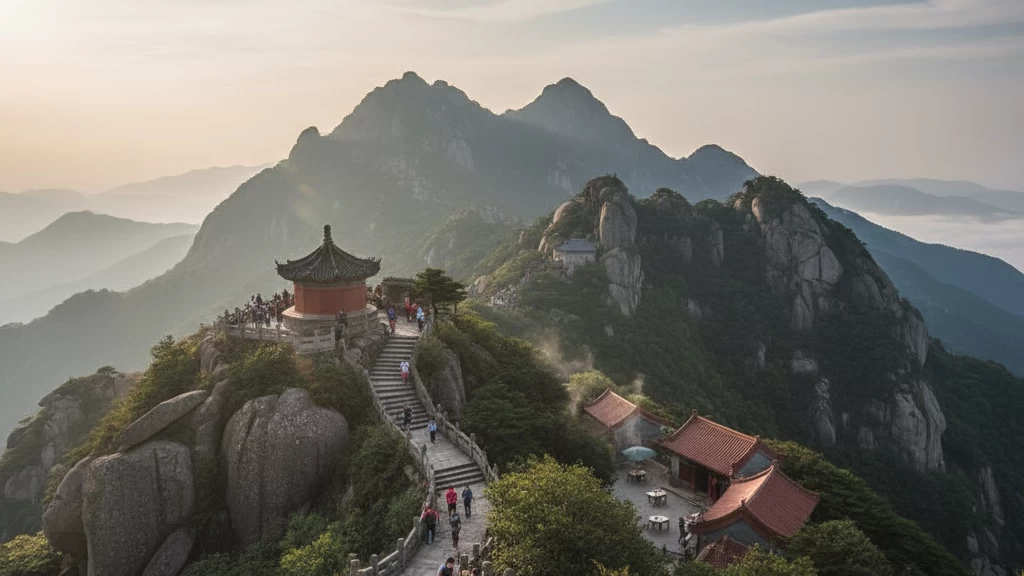
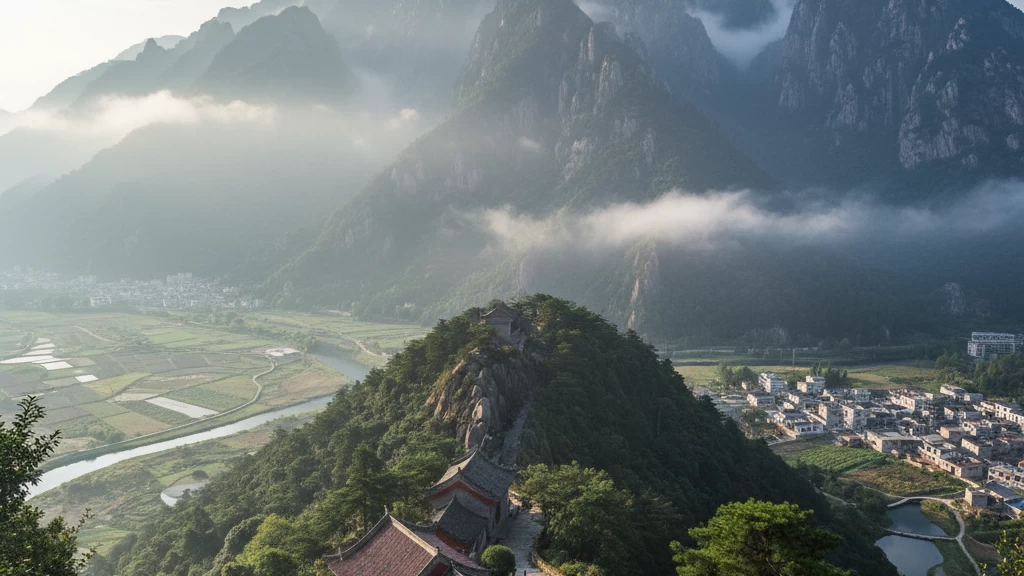
Mount Tai’s stunning landscape is marked by towering peaks, mysterious caves, cascading waterfalls, and clear mountain springs. The main summit, Jade Emperor Peak, rises sharply and offers breathtaking panoramic views. Along the trails, you’ll find natural caves shaped by millennia, some with legends tied to Taoist and Buddhist traditions.
The mountain supports rich biodiversity, hosting over 1,500 species of plants and numerous animal species within Mount Tai National Park. Conservation efforts have focused on preserving this unique ecosystem, balancing visitor access with environmental protection. The park is a key part of the Global Geopark network, reflecting its geological and ecological importance.
One of Mount Tai’s most famous natural spectacles is the sunrise, which attracts pilgrims and hikers eager to witness the sky’s colorful display from the summit. The “sea of clouds” phenomenon often rolls over the mountain’s ridges, creating a surreal, floating landscape. Seasonal changes further enhance the mountain’s charm—spring blossoms, autumn foliage, and winter snows each offer distinct experiences.
Mount Tai’s environment is influenced by its proximity to the Yellow River and the Yellow Sea, creating specific microclimates that support its diverse flora and shape weather patterns unique to this region. For detailed insights on the various landscapes and natural features to explore, check this comprehensive Mount Tai travel guide.
Planning Your Ascent: Best Time, Access, and Essential Logistics

When planning your Mount Tai hike, timing is key. The best seasons to climb are spring (April to June) and autumn (September to November), when the weather is mild and the skies are clear—perfect for catching the famous Mount Tai sunrise view. Summers can be hot and crowded, while winters are cold and slippery, so pack accordingly.
Getting there is straightforward. Tai’an city serves as the main gateway, with convenient rail connections from major hubs like Beijing and Shanghai. From Tai’an, shuttles and buses run frequently to the mountain’s base. For a quicker trip up, the Mount Tai cable car offers easy access to higher elevations. If you’re flying, Jinan Yaoqiang International Airport is about an hour’s drive away.
Entry fees vary by season and ticket type, with packages covering cable car rides available. Most sites accept Chinese payment apps, so it’s a good idea to have some cash or a mobile payment app ready.
Hiking Routes: Choose Your Path to the Summit

Mount Tai offers several hiking routes to suit different preferences and fitness levels. The most popular is the Classic Heavenly Trail (West Route), famous for its well-preserved stone steps and key landmarks like the Middle Heaven Gate and South Heavenly Gate. This route lets you experience the full historical and spiritual charm of the climb.
Alternative Routes and Hybrid Options
- East Route: Less crowded with beautiful natural scenery and waterfalls.
- North Route: A gentler path, ideal for those wanting a slower pace.
- Mixed Transport: Cable cars are available both from the east and west sides, allowing you to combine hiking with funicular rides to save energy or time.
Summit Strategies
- Overnight Stays: Consider staying overnight at summit accommodations to catch the famous Mount Tai sunrise view without rushing.
- Guided Tours: Available for those who want historical insights and safe navigation.
Accessibility: Cable Cars vs. Hiking
| Option | Pros | Cons |
|---|---|---|
| Cable Cars | Saves time and energy; great views | Can be crowded during peak season |
| Funicular Rides | Easy access; suitable for all ages | Limited capacity; less immersive |
| Hiking | Full cultural and natural experience | Physically demanding |
For detailed route maps and options, check out this comprehensive Mount Tai hiking trails guide.
Must-See Temples, Inscriptions, and Hidden Gems Along the Way
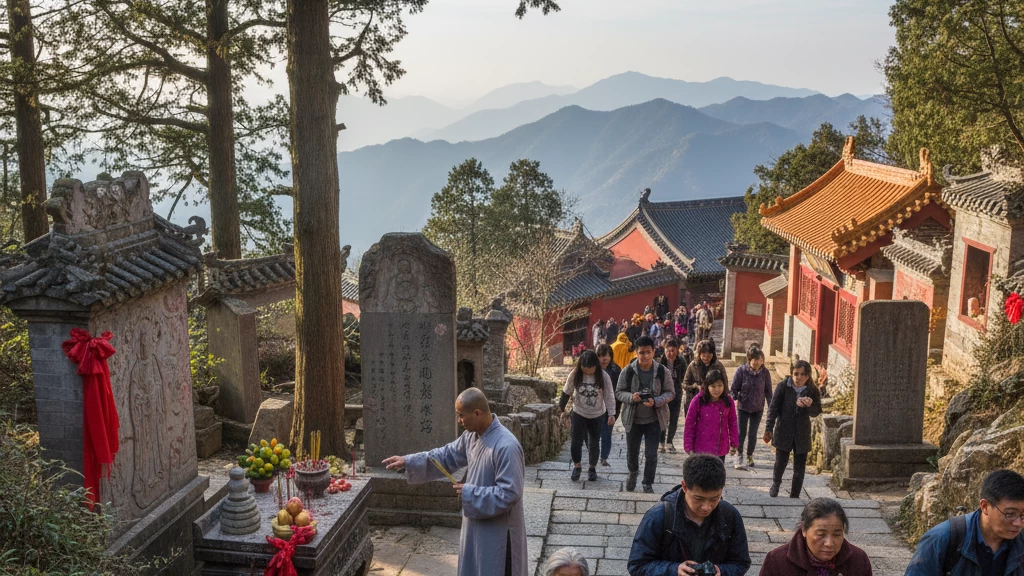
Mount Tai is dotted with incredible sites that add meaning and beauty to your climb. At the base, the Dai Temple welcomes visitors with its impressive Song Dynasty architecture—this complex served as the starting point for ancient pilgrimages and imperial worship. As you ascend, don’t miss Lingyan Temple, located mid-mountain, offering stunning panoramic views alongside its collection of historic statues and stone carvings.
Near the summit, the Jade Emperor Temple stands as a highlight for many hikers, accompanied by the iconic Guest-Greeting Pine, a famed bonsai-like tree that seems to welcome travelers to the peak. These landmarks are rich in Taoist heritage and continue to draw pilgrims and tourists alike.
For those seeking quieter spots, explore less crowded areas like Jing Shi Valley and various ancient caves tucked away along the trails. Many of these hidden gems are mapped on GPS guides, making it easier to discover inscriptions, stone tablets, and natural wonders often missed by casual hikers.
For a fuller look at the historic temples and sacred sites you’ll encounter, check out this detailed Mount Tai travel guide.
Practical Tips: Packing, Safety, and Sustainable Hiking

When hiking Mount Tai, packing smart and staying safe are key to enjoying the climb. Here’s what you need to keep in mind:
Essential Gear Checklist
- Comfortable, broken-in hiking shoes with good grip
- Layered clothing for changing weather—light jacket, moisture-wicking shirts
- Sun protection: hat, sunglasses, sunscreen
- Plenty of water and some snacks for energy
- A small first aid kit with basics like band-aids and pain relievers
- Lightweight rain gear, especially if hiking in spring or autumn
Navigation Tools and Crowd Apps
- Download offline maps or a reliable Tai’an travel guide app
- Use crowd management apps to avoid peak congestion, especially on popular routes like the Heavenly Trail
- Carry a portable phone charger for emergencies
Safety Protocols and Pilgrim Etiquette
- Stick to marked trails to protect both yourself and the environment
- Follow instructions from park staff and respect signs around sacred temples
- Keep noise levels low—Mount Tai is a spiritual site for many pilgrims
- Pace yourself and take breaks; the climb can be strenuous depending on your route and fitness
Eco-Conscious Practices
- Carry out all trash—there are strict rules about littering in the Global Geopark Shandong area
- Avoid picking plants or disturbing wildlife in the national park
- Use designated rest areas to minimize your footprint
- Consider using reusable water bottles and utensils to reduce waste
With these tips, you’ll help preserve Mount Tai’s natural beauty while having a safe and rewarding hiking experience.
Beyond the Climb: Nearby Attractions and Multi-Day Itineraries
Once you’ve tackled Mount Tai, there’s plenty more to explore nearby, perfect for stretching your trip into a multi-day adventure.
Day Trips: Qufu and Thousand Buddha Mountain
- Qufu Confucian Temple: Just about an hour away, Qufu is the birthplace of Confucius. The temple complex is vast and peaceful, ideal for history buffs or anyone interested in Chinese philosophy.
- Thousand Buddha Mountain: Located near Tai’an city, this mountain offers scenic hiking with ancient Buddhist statues carved into the rock, plus great city views at the top.
Extended Trips: Qingdao and Weifang
- Qingdao Beaches: If you want to unwind by the sea, Qingdao’s coastline is about three hours from Mount Tai by car or train. Enjoy fresh seafood and beach vibes along with the famous Tsingtao beer.
- Weifang Kite Festival: Held every April, Weifang is known as the kite capital of the world. Timing your visit for this festival adds a colorful and lively cultural experience to your trip.
Culinary Highlights: Local Flavors to Try
- Tai’an Dishes: Don’t miss out on Shaanxi-inspired dishes like Taishan steamed buns and mountain herbs soup that showcase local flavors.
- Mountaintop Food Stalls: Along the hiking trails and near temples, small food stalls offer snacks like sweet potato, roasted chestnuts, and fresh fruit—perfect for refueling during your ascent or descent.
Whether you’re winding down after hiking or looking for a rich cultural route, these spots add depth and flavor to your Mount Tai travel experience.