Exact Height and Measurement Details of Mount Tai
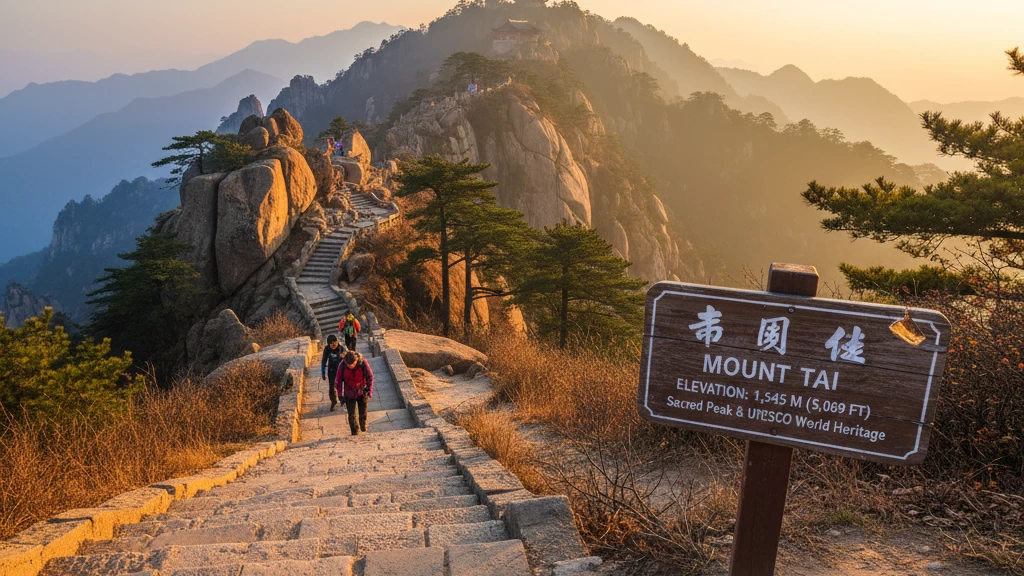
Mount Tai’s official height varies slightly depending on the source. The most commonly cited figure internationally is Jade Emperor Peak at 1,545 meters (5,069 feet). However, the Chinese government’s latest precise measurement lists the peak at 1,532.7 meters (5,032 feet). This small difference comes from advances in GPS and satellite technology compared to older surveying methods.
Height Conversions and Comparisons
| Measurement | Meters | Feet | Comparison |
|---|---|---|---|
| Mount Tai Summit | 1,532.7–1,545 | 5,032–5,069 | Taller than Eiffel Tower stacked twice (Eiffel Tower is 1,083 feet) |
| Vertical Rise | ~1,395 | ~4,577 | Almost as tall as the Empire State Building |
Historical Height Measurements
Ancient Chinese estimates of Mount Tai’s height, while impressive for their time, were less precise, relying on visual assessment and rudimentary measuring tools. Modern GPS and satellite technology have refined these numbers, providing accuracy to within centimeters. This explains small but noticeable differences in official readings over time.
Why Height Discrepancies Matter
For hikers and photographers, knowing the exact elevation helps:
- Plan for altitude and temperature changes—higher altitudes mean cooler temperatures and thinner air.
- Gauge difficulty—the elevation gain is key when estimating hike times and physical challenge.
- Capture the best views—precise knowledge of peak heights informs perfect timing for sunrise and sunset photography.
Understanding these nuances enhances your experience on Mount Tai, whether you’re conquering the trails or capturing its iconic vistas.
Geological Formation and Why Mount Tai Feels So Imposing
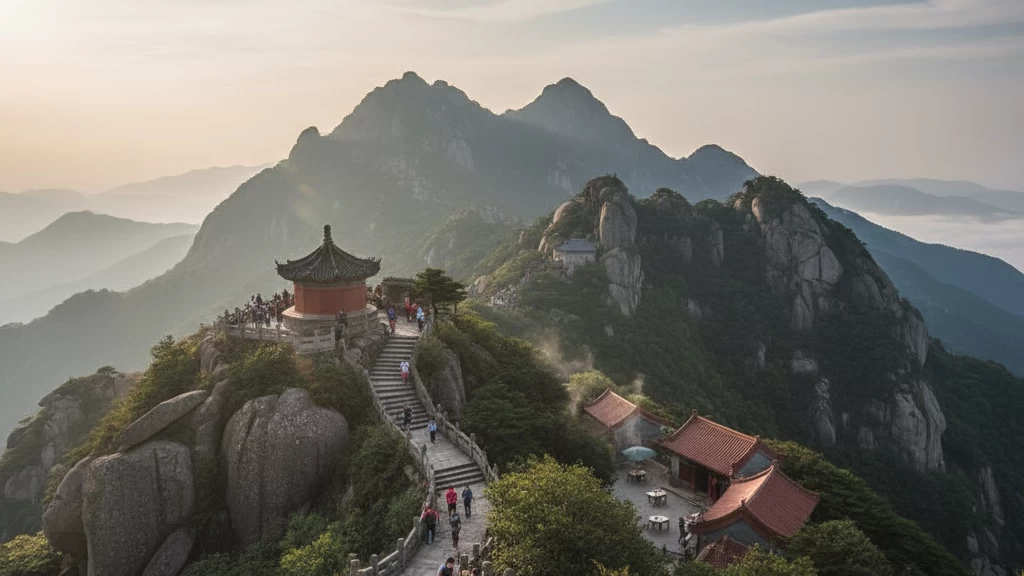
Mount Tai is a tilted fault-block mountain that rises sharply from the flat Shandong Plains, giving it a striking and dramatic presence. Although not the tallest peak in China, its elevation sharply drops about 1,395 meters within just 9 kilometers, creating steep cliffs and breathtaking views that make the height feel even more impressive.
This ancient mountain is over 30 million years old, featuring exposed rocks from the Cambrian era—some of the oldest visible strata in the region. Its geological history contributes to its rugged terrain and the steepness hikers experience on the ascent.
Height Comparison: Mount Tai vs. Other Five Great Mountains
| Mountain | Peak Name | Elevation (meters) | Location |
|---|---|---|---|
| Mount Tai (泰山) | Jade Emperor Peak (玉皇顶) | 1,545 m | Shandong Province |
| Mount Hua (华山) | South Peak | 2,154 m | Shaanxi Province |
| Mount Heng (衡山) | Zhurong Peak | 1,300 m | Hunan Province |
| Mount Heng (恒山) | Mount Heng Peak | 2,017 m | Shanxi Province |
| Mount Song (嵩山) | Shaoshi Peak | 1,500 m | Henan Province |
While Mount Hua and Mount Heng (Shanxi) reach higher elevations, Mount Tai’s steep rise from surrounding plains makes it visually dominant. Its dramatic vertical relief is a key part of why it has long been revered and feels so imposing despite not being the tallest.
For a deeper dive into Mount Tai’s geography and hiking routes, check out the detailed Mount Tai hiking guide and map.
Historical and Cultural Significance Tied to Its Height
Mount Tai’s height isn’t just a physical fact—it’s deeply woven into Chinese history and culture. The mountain has long been seen as a symbol of stability and imperial power, summed up in the famous saying, “If Mount Tai is stable, so is the country.” This reflects the mountain’s role as a spiritual guardian of China’s fate.
For centuries, emperors made pilgrimages to Mount Tai to perform the Fengshan sacrifices at the summit, seeking divine approval and blessings for their reign. Records show at least 72 imperial climbs, starting from Qin Shi Huang, China’s first emperor, all the way to Qianlong of the Qing dynasty.
Confucius also referenced Mount Tai’s grandeur, reportedly saying from the peak, “The world is small,” reminding us of the humility and perspective the mountain inspires.
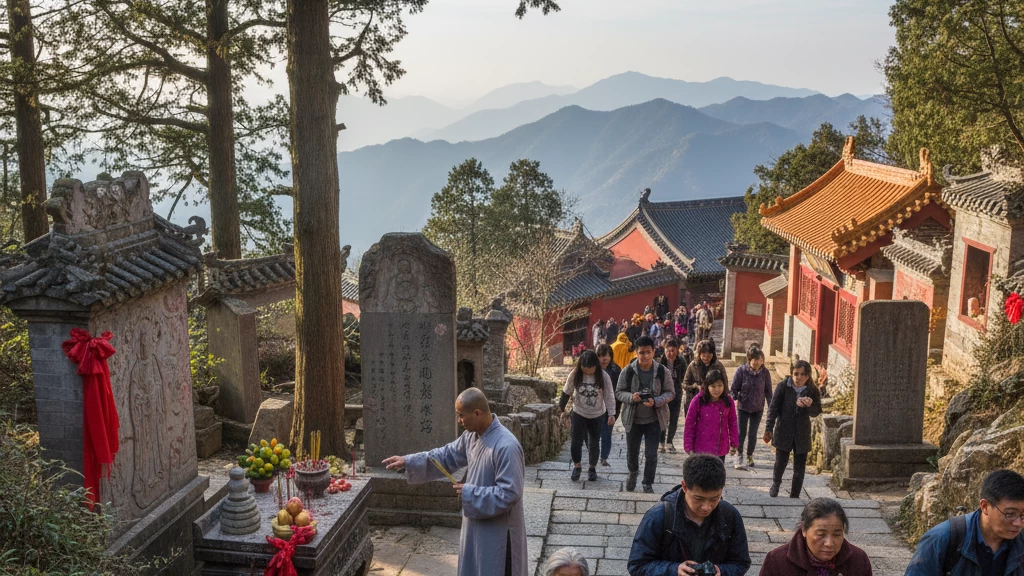
The mountain is also a significant site for Taoist and Buddhist traditions. The Jade Emperor Temple at the top serves as a spiritual landmark, where myths about soul judgment and the afterlife have flourished for centuries, adding layers of mystique connected to its towering presence.
For a deeper dive into Mount Tai’s cultural stories, you can explore the detailed history of Mount Tai here.
Key Peaks and Landmarks by Elevation
-
Jade Emperor Peak (1,545 meters / 5,069 feet): This is the highest point on Mount Tai, crowned with the iconic summit temple and the official height marker stone. It’s where most hikers aim to reach for the ultimate photo op and to soak in panoramic views.
-
Sun Viewing Peak: Known as the best spot on the mountain to catch sunrise. Its slightly lower elevation offers an unobstructed eastern horizon, making the early climb well worth it.
-
South Heaven Gate (1,460 meters / 4,790 feet): Serving as the dramatic gateway to the mountain’s upper realms, this landmark marks a crucial turning point before the final push to the summit.
-
Midway to Heaven and Eighteen Bends: These are steep, winding trail sections that challenge your stamina and highlight Mount Tai’s vertical rise. They’re well-known among hikers for intensifying the sense of climbing higher and higher.
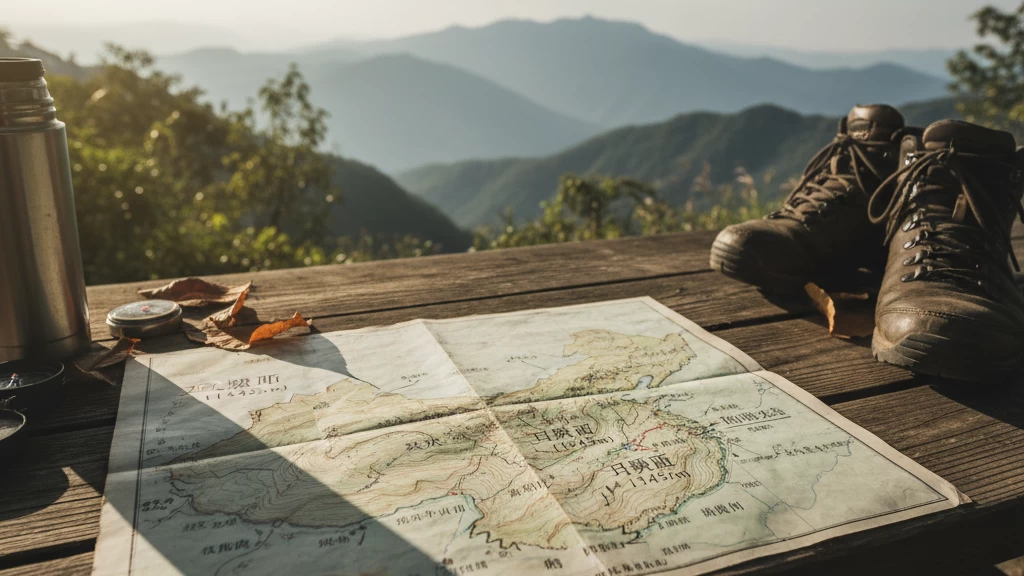
Tracking these elevation points gives a great sense of progress along the climb. For a clearer picture, a vertical trail map with these milestones helps visualize how each landmark stacks up in height and distance along the journey. For detailed route options and elevation info, check out this comprehensive Mount Tai hiking routes guide.
Hiking Mount Tai: Conquering the Height Step by Step
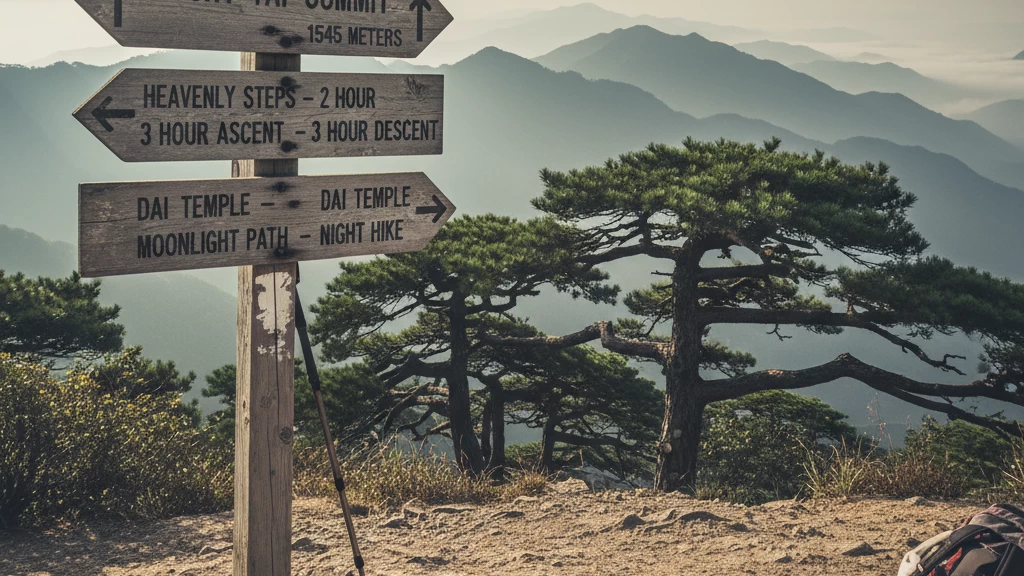
Hiking Mount Tai means tackling over 7,200 stone steps from the base all the way to the summit. The total elevation gain is roughly 1,400+ meters, covering about 10 to 12 kilometers depending on the chosen trail.
Main Routes to the Top
- Red Gate Route: The classic imperial path, steep and historic, favored by many for its cultural significance.
- Tianwaicun Route: A popular shortcut with bus access to reduce walking distance, perfect if you prefer a less strenuous climb.
- Peach Blossom Valley: A scenic option with beautiful natural surroundings, ideal for those who want a quieter, more picturesque hike.
Difficulty and Timing
- Expect anywhere from 4 to 8 hours to reach the summit, depending on your fitness level and pace.
- The climb demands moderate to high endurance, so pace yourself and stay hydrated.
- Wear good hiking shoes as the stone steps can be uneven and slippery in spots.
Cable Car Options
If you’re not up for the entire climb, cable cars run from the base partway up, cutting down the effort and letting you enjoy the views without the full ascent.
Best Viewing Experiences at the Top
Mount Tai’s height, especially at Jade Emperor Peak (1,545 meters), offers one of China’s most iconic sunrise views. Watching the sun rise here feels unforgettable—you’re literally above the clouds as golden light spreads across the landscape.
You’ll also get stunning scenes like the sea of clouds drifting underfoot, the Yellow River’s golden belt shimmering in the distance, and vibrant sunset glows that paint the sky in warm hues.
For photography, the best time to visit is autumn when the skies are clearer, and the crisp air reduces humidity. Avoid summer mornings if you want clear views, as fog often settles on the mountain at that time, blurring the scenery.
Top photo spots include:
- Jade Emperor Peak: Perfect for capturing the sunrise and panoramic views
- Sun Viewing Peak: Known as the prime spot to catch first light
- South Heaven Gate: Dramatic vantage point for sunset photos
Plan your visit around these spots to fully enjoy Mount Tai’s breathtaking views.
Practical Travel Guide for Mount Tai
How to Get There
The easiest way to reach Mount Tai is by taking a high-speed train to Tai’an city. From there, you can hop on a bus or grab a taxi to any of the main trailheads like the Red Gate or the Peach Blossom Valley routes.
Entrance Fees and Opening Hours
- Entrance fee: Around 130 RMB (about $20)
- Opening hours: Typically 6 AM to 8 PM, but times vary by season
To avoid crowds, start early in the morning on weekdays or visit during shoulder seasons.
Best Time to Visit
September and October are ideal for visiting Mount Tai—expect clear skies, comfortable temperatures, and fewer tourists. Spring is also pleasant but can be busier.
Accommodation Options
For early risers wanting to catch the famous Mount Tai sunrise, there are a few hotels near the summit. Booking ahead is recommended, especially in peak season.
Packing Essentials
- Layered clothing: Temperatures can drop 10-15°C (18-27°F) from Tai’an up to the peak.
- Comfortable hiking shoes and a light rain jacket.
- Water and snacks, although there are stops along the way.
Nearby Attractions
- Dai Temple: A grand historic site at Mount Tai’s base, full of ancient architecture.
- Qufu: The birthplace of Confucius, roughly an hour from Tai’an.
- Jinan: Known for its natural springs and city parks, perfect for a day trip after your hike.
Fun Facts and Comparisons about Mount Tai
Mount Tai isn’t the tallest mountain in China – Everest holds that title at 8,849 meters. But it’s the most climbed sacred peak, attracting millions each year.
Here are some quick facts that make Mount Tai stand out:
- Ancient Trees: Over 2,000 years old, these trees have survived the tough mountain climate and add a living sense of history.
- Stone Inscriptions: More than 1,800 tablets and carvings remain, resisting erosion and telling stories from centuries past.
- Modern Records: The fastest recorded ascents challenge even seasoned hikers, while celebrities often visit to enjoy its cultural and natural beauty.
| Feature | Detail |
|---|---|
| Highest peak in China | Everest – 8,849 m |
| Mount Tai summit height | Jade Emperor Peak – 1,545 m |
| Ancient trees age | 2,000+ years |
| Stone inscriptions | 1,800+ tablets |
| Popularity | Most climbed sacred mountain in China |
Mount Tai’s blend of natural beauty, deep history, and ongoing cultural significance make it a unique destination, even compared to China’s tallest peaks.