Why Weifang Food Stands Out
Not sure what makes Weifang food different? I see it as a strong, everyday style of Shandong Lu cuisine: simple ingredients, bold taste, and a lot of focus on meals that are practical and filling for local life.
| What I notice | What it means |
|---|---|
| Savory and rich | Meals feel full and satisfying |
| Wheat-heavy | You will see more pies, noodles, cakes, and pancakes |
| Crispy and chewy | Texture matters as much as flavor |
| Local and old-school | Street stalls and classic eateries show the real food culture |
Why local spots matter
-
- Authentic Weifang street food gives the clearest taste of the city.
- Old Weixian regional dishes often stay closest to traditional flavor.
- Small shops and breakfast stalls are where I find the most useful Weifang breakfast food and local snacks.
- For international travelers, this is the easiest way to understand Weifang’s food scene without guesswork.
Must-Try Weifang Dishes
One of the best ways to experience Weifang’s local flavor is through its signature dishes. The Weifang Meat Pie (Rouhuoshao) is a breakfast favorite, loved for its crispy crust and savory filling. Locals often start their day with this hearty snack, which reflects the region’s love for wheat-based foods. You can find it at many street stalls and small eateries, offering an authentic taste of Weifang’s morning routine.
Another must-try is the Chaotian Pot (Chaotianguo), a pancake-and-broth dish that’s perfect for warming up. The pancake is typically dipped into a flavorful broth, creating a satisfying combination of crispy exterior and tender interior. This dish showcases the simple yet rich flavors typical of regional street food and is a great way to experience local eating customs.
Ji-Ya Hele Noodles are a staple in Weifang, featuring tender chicken, duck, and a rich broth that makes each bowl comforting and filling. These noodles are often enjoyed as a quick lunch or dinner, especially when paired with local vegetables and pickles. For those interested in regional cuisine, exploring these noodles offers a taste of authentic Shandong flavors.
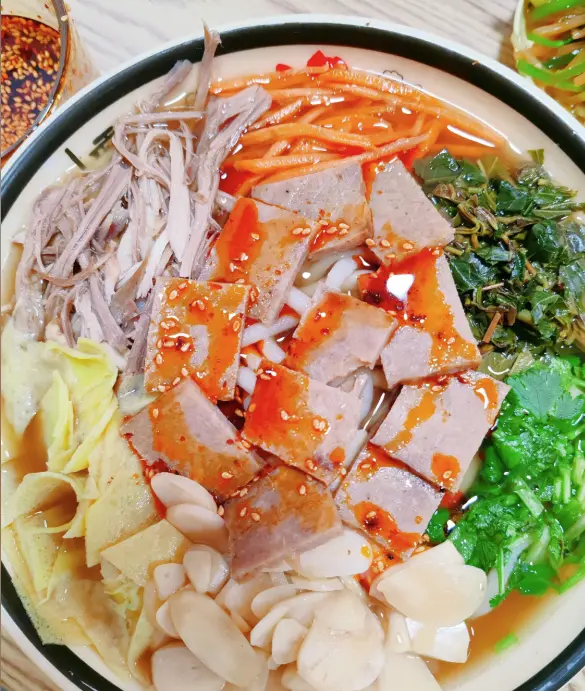
Finally, Weifang Green Radish stands out as a must-have snack. Its fresh, crunchy texture and slightly spicy flavor make it a popular street food choice. It’s often served as a side or quick snack while exploring the city’s vibrant food markets. This radish is a perfect example of how simple ingredients can become local favorites in Weifang’s culinary scene.
More Local Specialties
When I want to go beyond the main Weifang food names, I focus on the local staples that show real Shandong Lu cuisine character.
Gangzitou Wheat Cake
-
- A sturdy wheat cake that works best with soup or stew.
- I like it for a filling meal because it soaks up broth well and stays simple, hearty, and practical.
- It is a good choice if you want classic Weifang breakfast food or an easy comfort dish.
Songma Cake
-
- Songma Cake is one of those Weifang local snacks that fits right into daily street food culture.
- It is the kind of bite I grab when I want something quick, local, and easy to eat while walking.
Linqu All-Sheep Feast
-
- For travelers who want a bigger meal, the Linqu All-Sheep Feast is a strong pick.
- It shows the richer side of the region and works well when I want a full local dining experience instead of just snacks.
Bohai Bay Seafood and Braised Dishes
-
- Bohai Bay seafood brings in another side of the Weifang food guide, especially for travelers who want more variety.
- Classic Shandong braised dishes round out the meal with deeper, richer flavors that fit the local table well.
Best Food Streets in Weifang
When I map out things to do in Weifang, I always include a few food stops so I can cover Weifang breakfast food, street snacks, and a solid dinner in one day.
-
- Si Ping Road Food Street – My go-to for easy local eats, especially if I want a quick start with Rouhuoshao, noodle shops, and other Weifang breakfast food.
- Taihua Commercial Zone – Best for casual dining and Weifang local night markets, with plenty of simple spots for a late meal after sightseeing.
- Kuiwen District restaurants – A strong pick for authentic Lu cuisine, especially if I want a sit-down meal with classic Shandong flavors.
- Old Weixian food streets – The place I choose for traditional snacks, heritage dishes, and the kind of authentic Weifang street food that feels rooted in the city’s food culture.
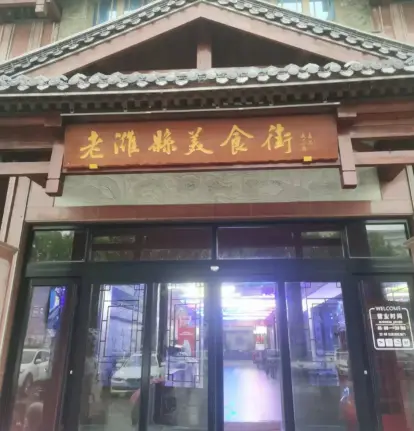
For first-time visitors, I keep it simple: breakfast at Si Ping Road, lunch in Kuiwen, and night food in Taihua.
Where to Eat Authentic Weifang Food
Finding the best places to enjoy authentic Weifang cuisine is easier than you think. Local restaurants that specialize in Chaotianguo (Chaotian Pot) serve up the pancake-and-broth style that’s a must-try for visitors. Look for small, family-run spots—they often have the most genuine flavors and friendly service. For Ji-Ya Hele Noodles, dedicated noodle shops in busy areas offer quick, delicious bowls with rich broth, chicken, and duck. These spots are reliable and popular among locals.
When it comes to Rouhuoshao (Weifang Meat Pie) and other street snacks, street markets and old-school eateries are your best bet. They serve up fresh, flavorful bites that capture the local food culture. You’ll find these snacks at food streets like Si Ping Road or Kuiwen District, where vendors keep traditional recipes alive.
Choosing between small stalls, noodle shops, and sit-down restaurants depends on your mood and schedule. Small stalls are quick and casual, perfect for a snack on the go. Noodle shops offer hearty bowls and a local vibe, while sit-down restaurants provide a more relaxed, sit-down experience with a wider menu. No matter your choice, these spots ensure you taste the real flavors of Weifang.
How I Order Like a Local
I keep it simple in Weifang. Photo menus and translation apps work well, and I use them first so I can spot the local favorites fast. If I want the signature dishes, I ask for the house specialty, the most popular local dish, or the dish the restaurant is known for. That usually gets me closer to the real Weifang food experience.
Simple Ordering Tips
-
- Use photos to confirm the dish before you order.
- Ask which items are the local specialties.
- Point out dishes like Weifang Meat Pie, Chaotian Pot, or Ji-Ya Hele Noodles if they are on the menu.
- Keep requests short and clear if English is limited.
Soup, Spice, and Sharing
A lot of Shandong Lu cuisine is savory, filling, and built around broth, wheat, and rich flavors. When I want a lighter meal, I ask if the soup can be mild or if the seasoning is strong. For shared dishes, I let everyone know what I want before the food comes out, so the table flows better.
Dining Etiquette I Follow
-
- Share dishes politely and use serving utensils when available.
- Take small portions first, especially with soup-based dishes.
- Ask before adding extra spice or sauces.
- Stay flexible with family-style meals, since many Weifang restaurants serve that way.
Shandong Dining Etiquette
Good ordering in Weifang is mostly about being clear, calm, and respectful. I rely on photo menus, translation apps, and simple requests, and that works in most Weifang restaurants. If I am unsure, I choose the most visible local snack or the busiest table order, because that is often the safest sign of authentic Weifang street food.
What to Expect for Price and Payment in Weifang
Eating in Weifang is quite affordable, especially when enjoying street food and casual dining. Typical street food prices usually range from 10 to 20 RMB per item, making it easy to sample a variety of local snacks without breaking the bank. For a full local meal at a casual restaurant, you can expect to spend around 30 to 60 RMB per person, depending on the dishes you choose.
As a traveler, you’ll find that WeChat Pay and Alipay are widely accepted at most food stalls, restaurants, and markets. These mobile payment methods make transactions quick and convenient, especially for international visitors who may not carry much cash.
To budget a food-focused day in Weifang, plan for about 100-150 RMB, which covers breakfast, lunch, and snacks. This allows you to enjoy authentic Weifang dishes like Rouhuoshao or Ji-Ya Hele Noodles while experiencing the vibrant local food scene. Planning ahead and knowing where to find reliable street vendors or casual eateries can help you make the most of your culinary journey in Weifang.
Food and Sightseeing Pairings
Starting your day in Weifang with a hearty breakfast sets the tone for exploring this vibrant city. Local options like the Weifang Meat Pie (Rouhuoshao) or a bowl of Ji-Ya Hele Noodles are perfect before heading out to visit attractions like the Weifang Kite Museum or the old city streets. These dishes are quick, filling, and give you a taste of authentic Shandong flavor.
For lunch, central Weifang offers plenty of casual dining spots along Si Ping Road Food Street or in the Kuiwen District. Here, you can sample local specialties such as Chaotian Pot (Chaotianguo) or enjoy fresh seafood from Bohai Bay—ideal after a morning of sightseeing. Many restaurants serve traditional Lu cuisine, giving you a true taste of regional flavors.
After a day of exploring museums or scenic spots, dinner options abound in Weifang’s Taihua Commercial Zone or Old Weixian food streets. Try dishes like the Linqu All-Sheep Feast or classic braised dishes from Shandong, which are perfect for winding down. These local eateries offer authentic flavors and a warm atmosphere to end your day.
For first-time visitors, planning easy food routes can make your trip smoother. Combining breakfast at a street stall, a mid-morning snack at a local noodle shop, and a relaxed dinner in one of the city’s vibrant food districts helps you enjoy Weifang’s culinary scene without hassle. Remember, many spots accept mobile payments like WeChat Pay or Alipay, making transactions seamless during your food journey.
Weifang Food FAQ
Most Famous Food
For me, the best-known Weifang food is Weifang Meat Pie, also called Rouhuoshao, plus local favorites like Chaotian Pot and Ji-Ya Hele Noodles. If I only had one quick food stop, I would start with those.
First-Time Visitor Friendly
Yes, Weifang food is a good fit for first-time visitors. The flavors are usually savory, wheat-based, and filling, so I find it easy to order, easy to share, and very satisfying after a day out.
Best Local Breakfast
For breakfast, I look for Weifang Meat Pie, Chaotianguo, and other local street food around busy breakfast streets and neighborhood shops. Early morning is the best time for the freshest bites and the most local atmosphere.
Ordering Without Chinese
Yes, I can usually order Weifang local snacks without speaking much Chinese by using a photo menu or a translation app. I keep the names of a few signature dishes ready, and that makes ordering much smoother.
What To Skip
If I do not eat pork or lamb, I avoid dishes that clearly use those meats, including some versions of Rouhuoshao, Chaotianguo, and Linqu All-Sheep Feast. I stick to noodle dishes, vegetable snacks, and seafood options instead.