Anatomy of the Ascent: The Three Sections of Eighteen Bends
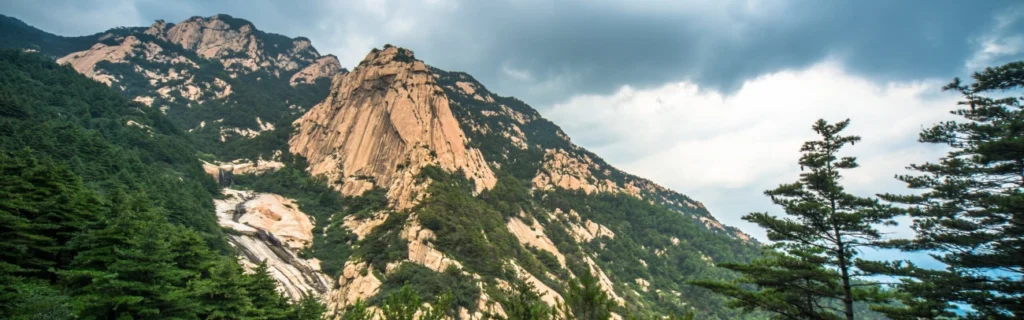
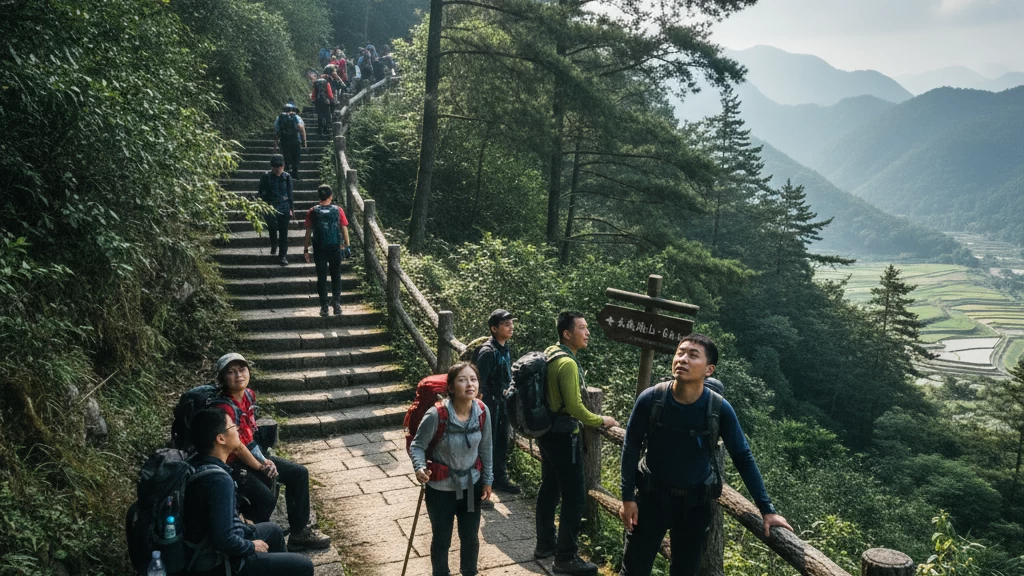
Climbing the Eighteen Bends (Shibapan) on the Mount Tai hiking trail is a physical and spiritual journey split into three distinct parts: Slow Eighteen, No-Worry Eighteen, and Fast Eighteen. Each section offers its own rhythm and challenge as you make your way up this famous vertical ascent.
The Three Sections Explained
- Slow Eighteen: The first stretch tests your stamina with steep, winding steps designed to slow your pace. Here, every breath counts as you settle into the climb.
- No-Worry Eighteen: This middle section is more forgiving, giving climbers a chance to find a comfortable rhythm. It’s the perfect spot to regain focus and enjoy the unfolding scenery.
- Fast Eighteen: The final stage demands energy and determination, with sharper inclines and tighter bends pushing you toward the summit.
Key Numbers: Steps and Elevation Gain
- The entire Taishan Mountain steps stretch through the Eighteen Bends includes roughly 300 steps.
- The vertical climb gains about 400 feet of elevation, making it one of the more intense parts of the pilgrimage path.
- Despite the physical challenge, the segmented design helps hikers pace themselves and manage energy wisely.
Whether you’re an experienced trekker or a first-time visitor, understanding this anatomy prepares you for the climb ahead. It’s not just a hike; it’s stepping into centuries of history along one of Shandong’s top tourist attractions.
Historical & Cultural Significance of Eighteen Bends
The Eighteen Bends, or Shibapan, is much more than just a part of the Mount Tai hiking trail—it’s a path steeped in history and cultural reverence. This stretch was once part of the imperial path that Chinese emperors themselves walked during their pilgrimages to Mount Tai, linking it to the spiritual legacy of this sacred mountain. Many emperors stopped along this route, marking its importance in Chinese heritage.
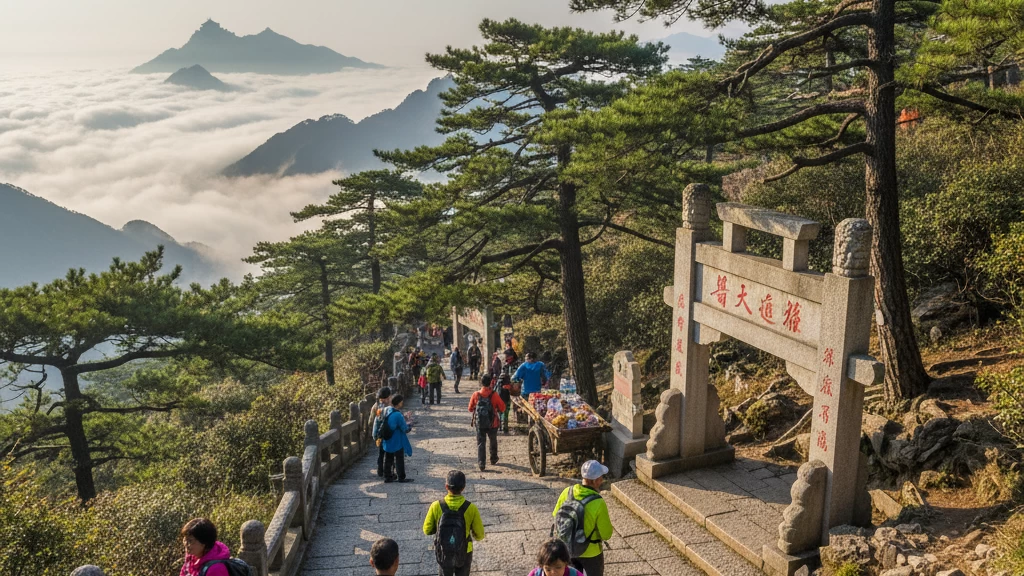
Alongside the path, you’ll find centuries-old stone inscriptions and cliffside calligraphy, carved by scholars, pilgrims, and officials over the ages. These engravings turn the vertical ascent into an open-air museum that tells stories of imperial visits and religious devotion. They enhance the climb, offering a glimpse into Mount Tai’s rich cultural tapestry.
Another important aspect of the Eighteen Bends is the honor given to Taishan porters, the sturdy men who have carried goods and supplies up this demanding trail for generations. Their role is recognized in local stories and monuments, underscoring the community’s respect for their endurance and hard work on the steep Taishan Mountain steps.
For a deeper dive into Mount Tai’s cultural background and its historic routes, check out the detailed history of Mount Tai and explore the imperial legacy tied to this fascinating hiking path.
Practical Guide to Surviving the Eighteen Bends Climb
Tackling the Eighteen Bends on Mount Tai is no small feat, so pacing and safety are key. One of the best ways to manage the steep ascent is using the zig-zag technique—instead of going straight up, switch directions at each bend. This helps reduce strain and gives your legs a break. Speaking of breaks, take regular rests to catch your breath and hydrate, especially in the tougher middle section known as the No-Worry Eighteen.
Safety-wise, follow the “Look Don’t Walk” rule: always watch where you step, but don’t rush or look down constantly. Keep your eyes ahead to avoid slips on the often uneven Taishan Mountain steps, particularly during busy times or wet weather.
As for gear, sturdy footwear with good grip is a must—trail shoes or hiking boots are ideal given the 1,300+ steps and elevation gain. Walking sticks can make a big difference for stability and knee support, especially going down. Dress in layers to handle Mount Tai’s temperature swings; lightweight moisture-wicking shirts combined with a windbreaker or fleece work well.
For more detailed tips on preparing your hike up Mount Tai, check out this comprehensive Mount Tai travel guide with hiking routes and tips. It’s packed with insights on managing your climb smartly, so you can enjoy the journey up the famous Shibapan (Eighteen Bends) trail safely and comfortably.
Timing Your Hike on Eighteen Bends
Choosing the right time to hike the Eighteen Bends on Mount Tai can make all the difference. Many hikers opt for night climbing to catch the famous Mount Tai sunrise. The pros? You get to witness breathtaking views as the sun rises over the clouds and the landscape slowly lights up—truly a once-in-a-lifetime experience. On the downside, night climbing is tougher physically and requires careful navigation in the dark, so be prepared with headlamps and warm clothes.
If you prefer day climbing, you’ll enjoy clear views of the surrounding nature and the spectacular cloud sea that often blankets the lower peaks. This is perfect for those who want to take their time and soak in the scenery without the risks of night hiking.
As for the best seasons, spring and autumn stand out. In spring, you’ll see fresh greenery and blossoms that add color to your trek. Autumn, meanwhile, offers cooler temperatures and stunning fall foliage. Avoid summer if you want to dodge the intense heat and crowds, and winter can be icy and challenging due to slippery steps.
For more details on planning your Mount Tai hike, check out this practical guide to how long it takes to climb Mount Tai and tips on the best time to visit Mount Tai. Both cover important seasonal and timing advice tailored to Eighteen Bends and other trails.
Alternatives for Less Mobile Visitors
Not everyone can tackle the full Mount Tai hiking trail, especially the challenging Eighteen Bends (Shibapan). Luckily, there’s a popular cable car option that offers a more accessible way up the mountain. The cable car starts near the base and ascends directly to the South Gate to Heaven (Nantianmen), providing stunning aerial views of the rugged cliffs and the sprawling landscape below. This route lets you skip the vertical ascent and enjoy the scenery without the physical strain.
If you want a bit of exercise but worry about the descent, consider the hybrid approach: take the cable car up, then walk down along the Taishan Mountain steps. Keep in mind, going down on foot can be tough on your knees because of the steep, uneven stone stairs. Using walking sticks and pacing yourself can really help minimize discomfort.
For detailed information about the cable car routes and other alternatives for less mobile visitors, check out the Mount Tai travel guide routes. This can help you plan the right balance of sightseeing and comfort on your trip to one of Shandong’s most treasured tourist attractions.
The Reward: Arrival at South Gate to Heaven
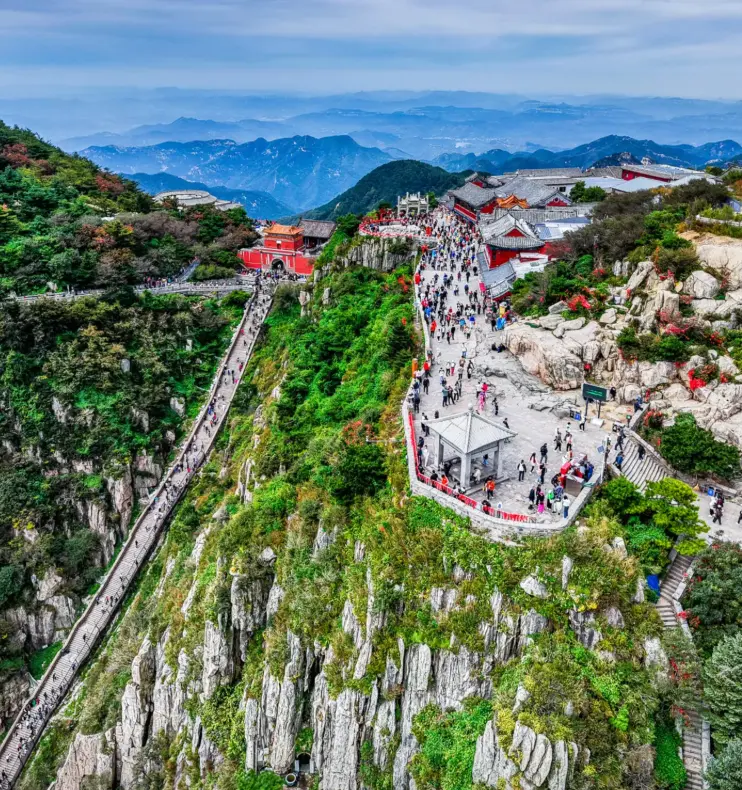
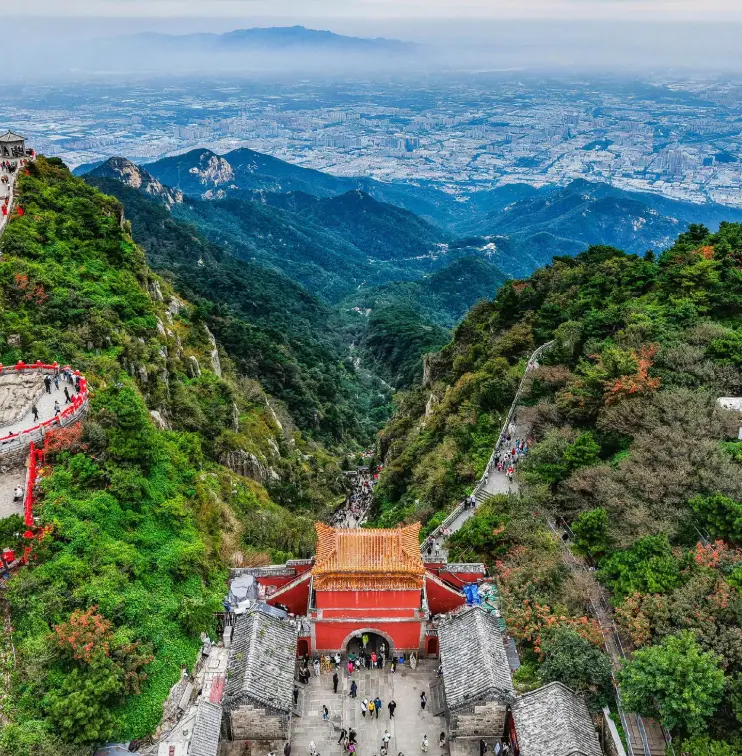
Reaching the South Gate to Heaven, or Nantianmen, marks a major milestone on the Mount Tai hiking trail. Passing through the iconic red archway feels like stepping into another world—a moment that rewards all the effort of climbing the Eighteen Bends. From here, you can look back down the stairway to heaven, the famous spiral of stone steps winding tightly down the mountainside, offering a breathtaking perspective on the vertical ascent you’ve conquered.
But the journey doesn’t end at Nantianmen. Many hikers push onward to Jade Emperor Peak, the highest summit on Mount Tai, known as Emperor Yuhuang Peak, where panoramic views stretch across Shandong’s natural beauty. The climb here gives a satisfying mix of challenge and awe, rounding out a truly memorable experience.
For those interested in exploring more about Mount Tai’s significance and trails, you can learn why this destination is one of the top Shandong tourist attractions and a pilgrim’s path China visitors cherish. This spot perfectly captures the blend of nature, culture, and history that makes climbing Mount Tai so legendary.
To plan your trip to this stunning peak, notice how the stairway’s design reflects both practicality and reverence, a tribute to centuries of porters and pilgrims who have made this ascent. Whether you choose to hike all the way or take advantage of the Mount Tai cable car, standing at the South Gate to Heaven is a moment worth savoring.
Learn more about the highlights of the Mount Tai experience and what makes it such a treasured site in this detailed guide to Mount Tai.