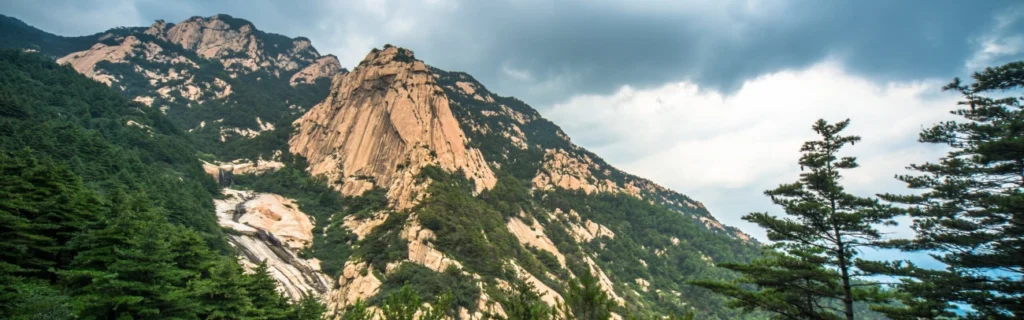
If you’re planning a trip to Mount Tai, conquering the Jade Emperor Peak—also known as Yuhuang Ding—is an absolute must. Standing tall at 1,545 meters, this summit isn’t just the highest point in Shandong Province; it’s a place steeped in spiritual significance and breathtaking natural beauty. Whether you’re here for the legendary sunrise, the mystical Sea of Clouds, or to explore the ancient Jade Emperor Temple, this guide will equip you with everything you need to know to reach the top confidently and make the most of your visit. Ready to experience the “First Peak of the East”? Let’s dive in.
Why Jade Emperor Peak is Spiritually Significant
Jade Emperor Peak, standing proudly at the Mount Tai summit altitude of 5,154 feet (1,545 meters), is more than just a breathtaking viewpoint—it’s a place steeped in profound spiritual meaning. According to Taoist mythology, this peak is closely connected to the Jade Emperor, the supreme deity who rules heaven and earth. The Jade Emperor Temple at the summit honors this celestial figure, making the peak a sacred site for Taoist pilgrims seeking divine blessings.
Historically, Jade Emperor Peak played a pivotal role in imperial rituals. Over 72 emperors, including the legendary Qin Shi Huang and Emperor Wu of Han, performed the prestigious Fengshan sacrifices here. These ceremonies were meant to legitimize their rule and honor heaven and earth, reinforcing Mount Tai’s status as a spiritual axis of China.
Culturally, Mount Tai’s grandeur is immortalized in Confucius’s famous saying: “If you haven’t climbed Mount Tai, you are not a true man.” This quote highlights the mountain’s symbolic importance as a test of character and a place of ultimate reverence. Jade Emperor Peak, as the highest point, embodies this spirit, inviting you to experience its majestic history and sacred energy firsthand.
The Journey to the Top: How to Reach the Summit
Reaching Jade Emperor Peak, the highest point of Mount Tai, offers two main options depending on your stamina and time.
Option A: The Classic Hike (The Red Gate Route)
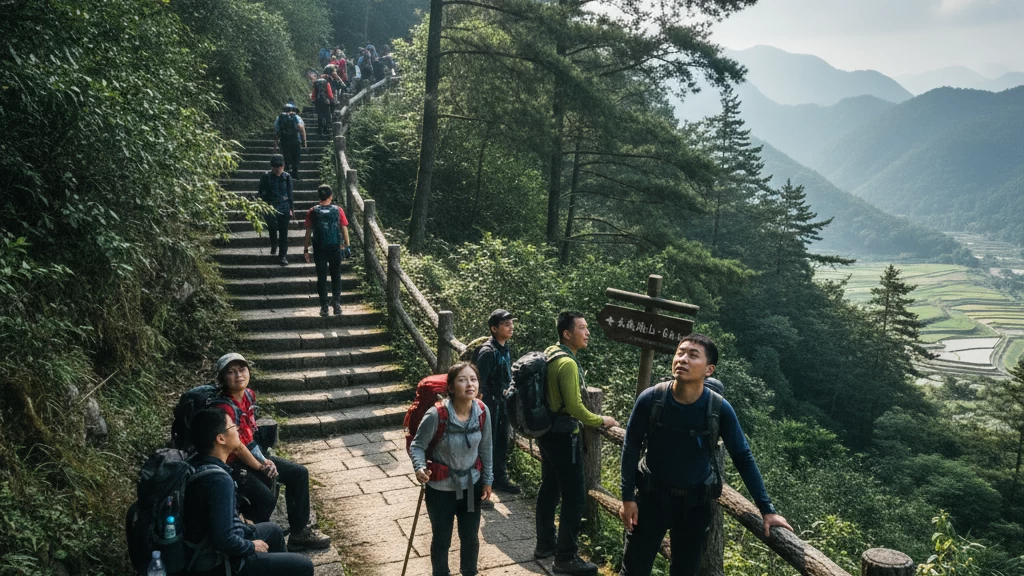
For those who love a physical challenge, the classic hike via the Red Gate Route is the way to go. This path is famous for its demanding climb, especially the Eighteen Bends—a steep, winding stretch of stone steps that test your endurance. The hike requires good stamina but rewards you with stunning views and a deep sense of accomplishment as you ascend the Mount Tai summit altitude of 1,545 meters.
Option B: The Cable Car Shortcut
If you prefer an easier route, the cable cars from Peach Blossom Ravine and Zhongtian Gate offer a comfortable shortcut. These cable cars cut down much of the strenuous climb, letting you enjoy panoramic views without the sweat. The cable car prices are reasonable for the convenience and breathtaking scenery they provide.
The Final Ascent: South Gate to Heaven to Jade Emperor Peak
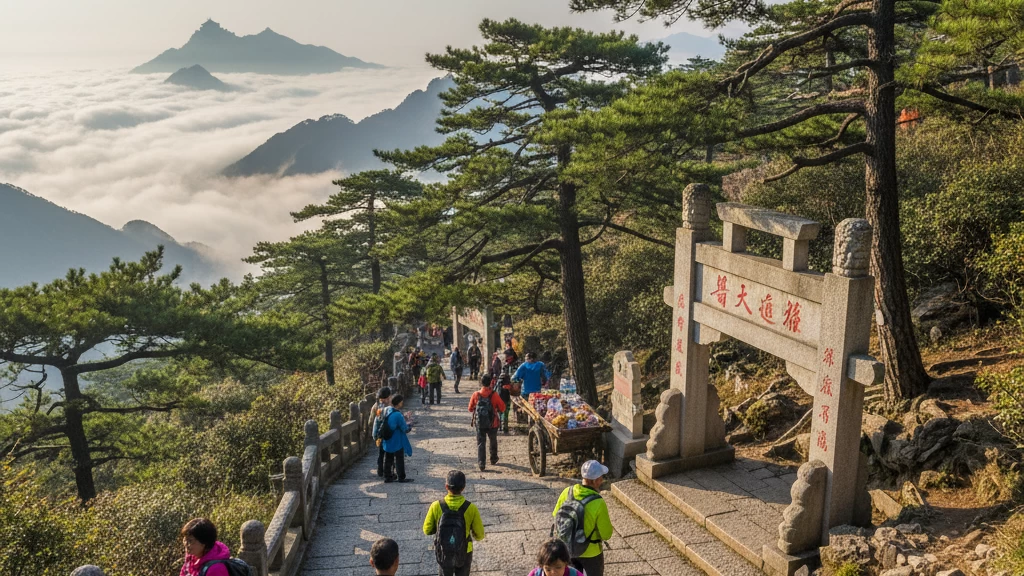
Regardless of your route, the last stretch is a walk along the famous Heavenly Street from the South Gate to Heaven. This path leads directly to Jade Emperor Peak, passing historic gates and temples. For detailed tips on this final leg, check out this South Heaven Gate guide and the comprehensive Mount Tai hiking routes and tips to prepare for your climb.
Must-See Landmarks at Jade Emperor Peak

When you reach Jade Emperor Peak, several landmarks stand out, making the summit more than just a scenic spot.
The Jade Emperor Temple is the heart of the peak. This temple features a spacious courtyard, a striking bronze pavilion, and the impressive statue of the Jade Emperor himself. The temple’s architecture reflects deep Taoist traditions and offers a peaceful place to soak in the spiritual atmosphere.
Nearby, the Wordless Tablet (Wuzi Bei) holds a special mystery. This granite monolith was erected by Emperor Wu of Han, but it carries no inscription, leaving visitors to wonder about its true meaning. It’s one of the most intriguing historical artifacts on Mount Tai.
Don’t miss the Confucius Overlooking Lu Platform, where Confucius is said to have admired the vast lands of his home state. This viewpoint offers not only a glimpse into ancient philosophy but also breathtaking views over Shandong province.
Finally, the Five Sacred Mountains Inscription surrounds the summit with exquisite stone carvings and calligraphy. These inscriptions celebrate Mount Tai’s status as one of the Five Great Mountains of China and add a rich cultural layer to your visit.
For a deeper dive into the history and temples on Mount Tai, check out this detailed guide on Mount Tai temple architecture and history and the historic significance of Mount Tai.
The Spectacle of Nature: What to Expect

Jade Emperor Peak offers an unforgettable natural show known as the Four Wonders. First up is the sunrise from the East, a breathtaking moment when the sun slowly climbs above the horizon, bathing Mount Tai’s summit in golden light. This is one of the most famous Tai Shan sunrise spots, attracting photographers and early risers alike.
Next, you’ll often see the Sea of Clouds, a stunning sea of mist that rolls over the surrounding valleys, creating a dreamlike atmosphere. This natural phenomenon is a favorite for Sea of Clouds photography and adds a mystical layer to the mountain’s spiritual vibe.
Another highlight is the Golden Belt, a rare view of the Yellow River winding through the landscape below. This spectacular sight ties together Mount Tai’s natural beauty with its deep cultural significance.
For those looking to capture these moments, the best photo spots include the area around Gongbei Stone, where you can frame the sunrise, clouds, and landscape perfectly. These key angles make Jade Emperor Peak a top destination for both casual tourists and serious photographers. For more details on the mountain’s layout and photo tips, check out this Mount Tai China map guide.
Practical Guide for Travelers
Best Time to Visit Jade Emperor Peak
The best seasons to visit Jade Emperor Peak are spring and fall. Spring offers blooming flowers and mild temperatures, while fall brings crisp air and stunning autumn colors. Winter visits can be magical with snow-covered landscapes, but be prepared for colder weather and possible icy paths.
Weather at the Summit
At the Mount Tai summit altitude, temperatures can drop significantly compared to the base, often by 10-15°F or more. Winds are common, so layering is key—think moisture-wicking base layers, a warm mid-layer, and a windproof jacket. Always check the Mount Tai weather forecast before your trip to prepare accordingly.

Accommodation Options
If you want to catch the famous Tai Shan sunrise spots, consider staying overnight near the summit. Summit hotels provide convenient access but book early, especially during peak seasons. Alternatively, many hikers prefer the night climb Mount Tai experience, starting late to reach the peak by dawn.
Safety Tips for Climbing Jade Emperor Peak
- Manage your pace on the steps to avoid fatigue; the climb can be strenuous, especially on the Red Gate Route.
- Stay hydrated—bring enough water, as mountain weather can dehydrate you quickly.
- Avoid the crowds during Golden Week by planning your visit on weekdays or outside major holidays.
- Use proper footwear with good grip to handle potentially slippery stone steps.
For more details on managing the climb and what to expect, check out this guide on how difficult it is to climb Mount Tai.