Overview of Mount Tai’s Difficulty Level
Climbing Mount Tai is a rewarding challenge that many hikers from around the world want to experience. The mountain stands at an elevation of about 5,430 feet (1,657 meters), with an elevation gain of roughly 1,500 meters (4,920 feet) depending on your starting point. You’ll encounter around 7,200 steps, commonly known as the famous Mount Tai stairs count, which can give you a solid idea of the physical demand.
On average, the Taishan hike difficulty is considered moderate to strenuous. Most people take between 4 to 6 hours to reach the summit, with the descent typically taking a bit less time. The pace depends heavily on your fitness level, route, and how often you stop for rest or sightseeing.
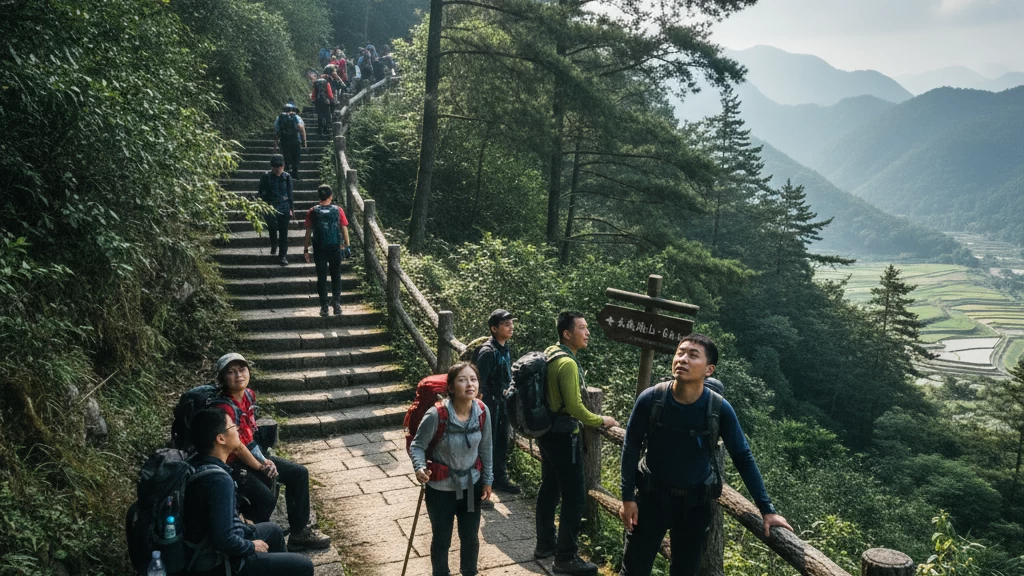
If you’re wondering how tough it really is: while the steps can feel endless and steep in places, the constant stair climb can test your stamina more than technical skill. For beginners, especially, pacing yourself is key. It’s not just a walk in the park, but with a steady rhythm, it’s absolutely doable. The trail is well-maintained and marked, which eases navigation and adds to your confidence on the ascent.
In short, expect a solid cardiovascular workout paired with a test of endurance — the Mount Tai elevation gain and step count make this hike a serious but accessible mountain climb for most people who prepare reasonably well.
Factors Influencing Difficulty

The difficulty of climbing Mount Tai depends on a few key factors. First off, your fitness level plays a big role. The hike involves a significant elevation gain and thousands of steps, so you’ll need decent stamina and strength, especially for the full climb. For beginners or those less active, the challenge can feel much tougher.
Age also matters. While many middle-aged and older hikers manage just fine, very young kids or seniors with joint issues might find the climb more demanding. Crowds can also impact your experience, particularly during peak seasons or holidays. Narrow paths get congested, slowing you down and making the hike more tiring.
Weather is another factor to consider. Rain, fog, or extreme temperatures can increase the Taishan hike difficulty significantly. Slippery steps and poor visibility require extra caution. It’s always smart to check the latest Mount Tai weather forecast before planning your climb.
Lastly, crowd conditions at popular spots like the Mount Tai Eighteen Bends or near cultural sites can create bottlenecks. This can make the climb take longer and feel more strenuous than walking at your own pace. Planning your hike during off-peak times or early in the morning can help avoid this.
For a detailed look at the best times and weather conditions, you can check a reliable Mount Tai weather guide.
Taking these factors into account will help you gauge how difficult climbing Mount Tai could be and plan accordingly for a safer, more enjoyable hike.
Main Hiking Routes and Difficulty Comparison
Mount Tai offers several routes with varying difficulty levels, allowing hikers to choose based on their fitness and time.
| Route Name | Distance | Difficulty | Key Features | Cable Car Option |
|---|---|---|---|---|
| Red Gate Imperial Route | ~7.6 miles (12.3 km) | Moderate to Hard | Traditional path, 7,000+ steps, rich history | No cable car in middle, but available for descent |
| Midway Cable Car Route | ~4 miles (6.4 km) | Easy to Moderate | Take cable car halfway to reduce climb | Yes, cuts down hiking time and effort |
| Eighteen Bends Route | ~5 miles (8 km) | Moderate | Scenic, winding path, less crowded | Cable car available nearby |
Red Gate Imperial Route
This is the most popular and historically significant path, featuring over 7,000 steps and an elevation gain of about 2,000 meters (6,562 ft). It takes roughly 4-6 hours to climb depending on pace and fitness. While challenging, the route is well-paved and packed with cultural sites along the way.
Midway Cable Car Options
For those worried about stamina, the cable car running halfway up Mount Tai is a great choice. It lets you skip the most strenuous part of the hike and still enjoy the summit views. You can also take the cable car down if you prefer an easier descent.
Alternative Routes & Descent Tips
If you want a quieter trek with beautiful scenery, the Eighteen Bends trail is a good pick. It’s less steep but still a substantial hike.
When descending, avoid rushing. Use the cable car if you’re tired or if leg fatigue sets in. Going down the same way can be tough on knees, so plan accordingly.
For a detailed comparison of routes and tips, check this helpful Mount Tai hiking routes guide.
Choosing the right path based on your fitness and time will make your Taishan hike difficulty manageable and more enjoyable.
Physical Preparation and Training Tips
Climbing Mount Tai isn’t a casual stroll—it demands good stamina and preparation. To handle the Mount Tai elevation gain and thousands of steps, start by building your endurance with regular cardio activities like brisk walking, jogging, or stair climbing. Aim for at least 30 minutes of moderate exercise most days.
When it comes to Mount Tai preparation tips, wear comfortable, sturdy shoes with good grip since the Mount Tai stairs count exceeds 7,000. Lightweight, moisture-wicking clothes help manage sweat, and layered outfits are smart for changing weather on the mountain.
Health is a key factor. If you have heart, lung, or joint issues, reconsider the full hike or opt for partial routes with the Taishan cable car option to avoid overexertion. Older hikers or beginners should go at a slower pace and listen to their bodies.
In :
- Build stamina through cardio workouts
- Invest in proper hiking shoes and breathable clothing
- Consider health conditions seriously before attempting the full climb
- Use the cable car option if needed for an easier trip
Proper preparation makes your Taishan hike difficulty manageable and more enjoyable.
Best Time to Climb and Seasonal Considerations
The best time to climb Mount Tai is during spring (April to June) and autumn (September to November). These seasons offer mild temperatures, clear skies, and less rain, making the Taishan hike difficulty more manageable and your experience much more enjoyable. Summer can be quite hot and humid, while winter months might bring slippery steps and cold winds, increasing the challenge.
If you’re planning the famous Mount Tai sunrise hike, late spring and early autumn are ideal for catching stunning views without severe weather conditions. Keep in mind that the Taishan night climb is popular for summit sunrise viewing, but it requires extra caution due to darkness and cooler temperatures.
Try to avoid climbing during China’s public holidays and peak summer months when crowd density spikes. The heavy foot traffic can slow your pace, add to fatigue, and affect your overall climb time. For detailed insights on timing and what to expect, check out this guide on how long does it take to climb Mount Tai.
Highlights and Rewards Along the Way

Climbing Mount Tai isn’t just about the physical challenge—it’s the rich blend of cultural sites, natural beauty, and the unforgettable summit experience that makes it worthwhile. Along the Taishan cultural trail, you’ll find ancient temples, stone inscriptions, and historic gates that tell stories dating back thousands of years. These sites connect you with Mount Tai’s deep significance as a UNESCO World Heritage site, adding a unique cultural layer to your hike.
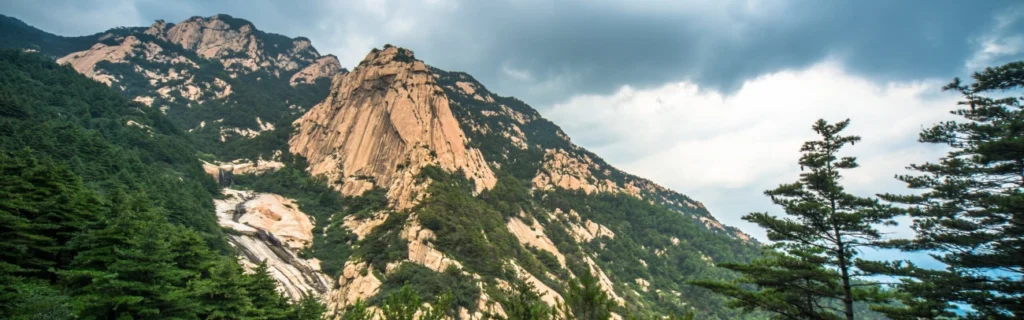
On the way up, the scenic views are genuinely breathtaking. From the Mount Tai Eighteen Bends to overlooks where you can see endless mountain ranges and lush forests, every step offers new photo ops. Don’t miss iconic spots like the Azure Clouds Temple or the South Heavenly Gate, both perfect spots to rest and soak in the surroundings.
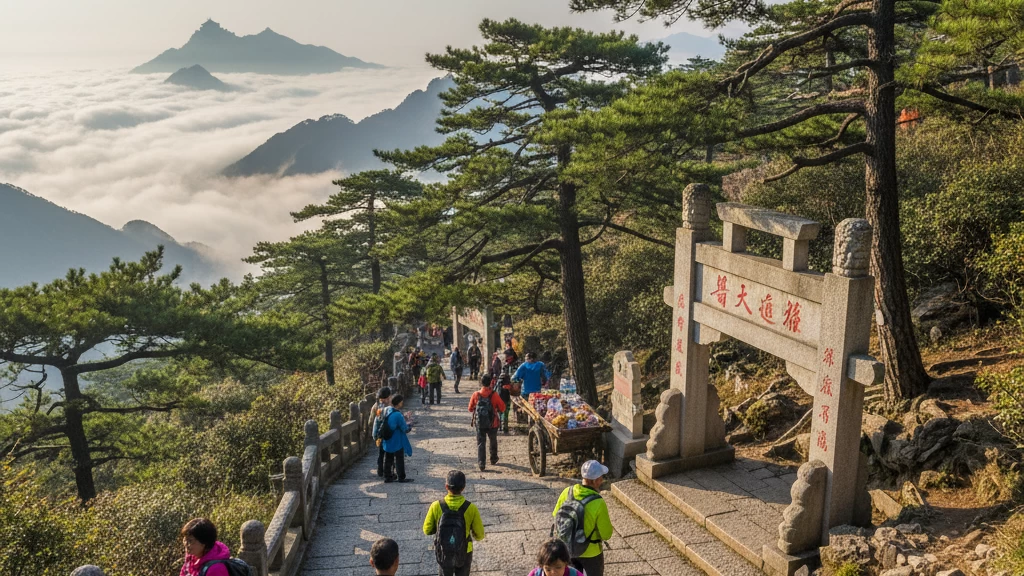
Finally, reaching the summit delivers an unmatched sense of achievement. Many climbers time their visit for the Mount Tai sunrise hike, where watching the sun rise over the horizon above a sea of clouds is simply magical. Whether you’re after stunning nature, history, or that epic summit moment, Mount Tai offers memorable rewards every step of the way.
For more on the historic and cultural importance of the mountain, check out detailed info on the history of Mount Tai.
Practical Tips for Your Climb
When planning to climb Mount Tai, practical preparation makes all the difference. Here are key tips to ensure a smooth hike:
Transportation & Tickets
You can reach Mount Tai easily from nearby cities like Tai’an via bus or taxi. It’s best to buy tickets in advance, especially during peak seasons or holidays, to avoid long lines at the entrance. Consider online ticket options to save time.
Accommodation & Food
Staying overnight near Mount Tai gives you a chance to start early or tackle the famous Mount Tai sunrise hike. There are budget guesthouses and hotels in Tai’an city and closer mountain villages. Bring some snacks and water, but you’ll also find food stalls and small restaurants near the main trailheads and summit for basic meals.
Facilities & Safety
Restrooms and drinking water stations are available at key points, but they can get crowded during peak hours. Wear sturdy, comfortable shoes because Mount Tai stairs count can exceed 7,000 steps depending on your route. Carry a first aid kit and stay hydrated. Weather can change swiftly—layer your clothing and carry rain gear if climbing in spring or fall.
Etiquette
Respect the cultural and natural environment of Taishan UNESCO site. Follow marked paths, don’t litter, and be mindful of local customs, especially around temples and shrines. If you’re joining a group hike, keep noise levels down to preserve the peaceful atmosphere.
With these practical tips, your Mount Tai climb will be safer, more enjoyable, and truly rewarding. For more detailed advice, check out comprehensive Mount Tai preparation tips and travel info on how to get to Mount Tai.