Why Mount Tai Stands Out: Historical and Cultural Significance
Mount Tai is not just any mountain—it’s the leader among China’s Five Sacred Mountains, deeply revered for over 3,000 years. This majestic peak has been the stage for imperial Fengshan ceremonies, where 72 emperors paid homage, seeking blessings for their reigns. Its significance goes beyond history; Mount Tai proudly holds a UNESCO dual natural and cultural heritage status, recognizing both its breathtaking landscapes and its rich cultural legacy. Visitors will find a unique blend of Taoist and Buddhist influences here, with ancient inscriptions carved into the rocks and historic temples scattered across the mountain. This cultural depth makes Mount Tai much more than a hike—it’s a journey through the heart of Chinese heritage.
The Natural Wonders of Mount Tai
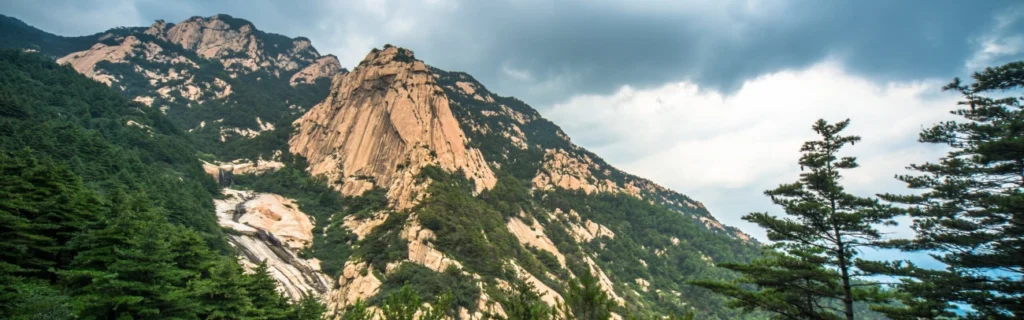
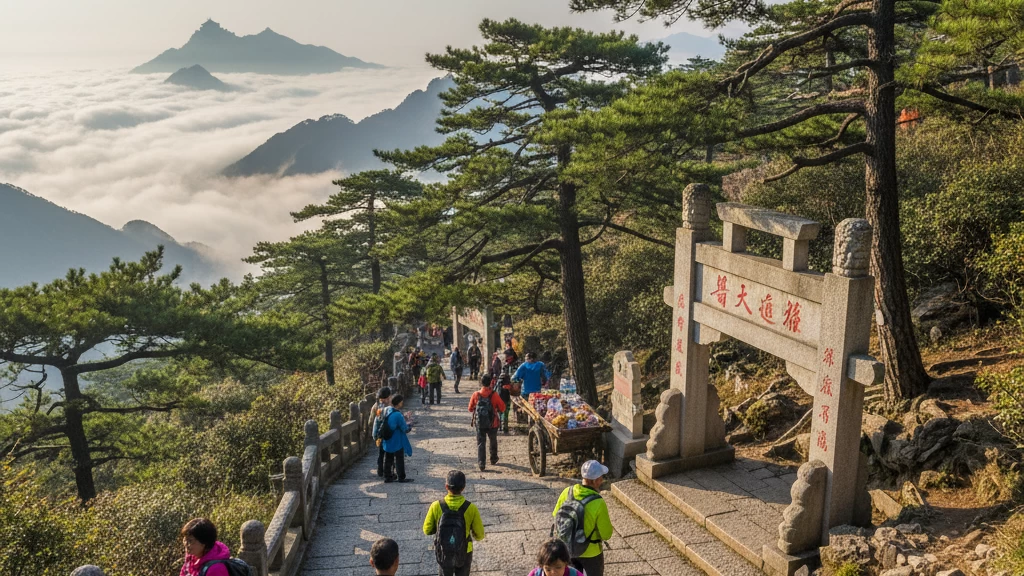
Mount Tai is famous for its breathtaking natural beauty that changes with the seasons. One of the biggest draws is the iconic sunrise and sunset views from Jade Emperor Peak, where you can watch the sun paint the sky in vibrant colors above a sea of clouds. The mountain is also home to ancient pines that cling to rocky cliffs, creating dramatic landscapes that feel timeless and awe-inspiring.
Each season offers a unique spectacle: spring brings delicate blossoms that color the trails, summer covers the area in lush greenery, autumn transforms the foliage into fiery reds and golds, and winter blankets the mountain in serene snow. These shifting scenes make Mount Tai a place worth visiting any time of year. For the best planning tips and route details to experience these views, check out this Mount Tai travel guide.
Is the Hike Worth the Effort? Real Visitor Experiences
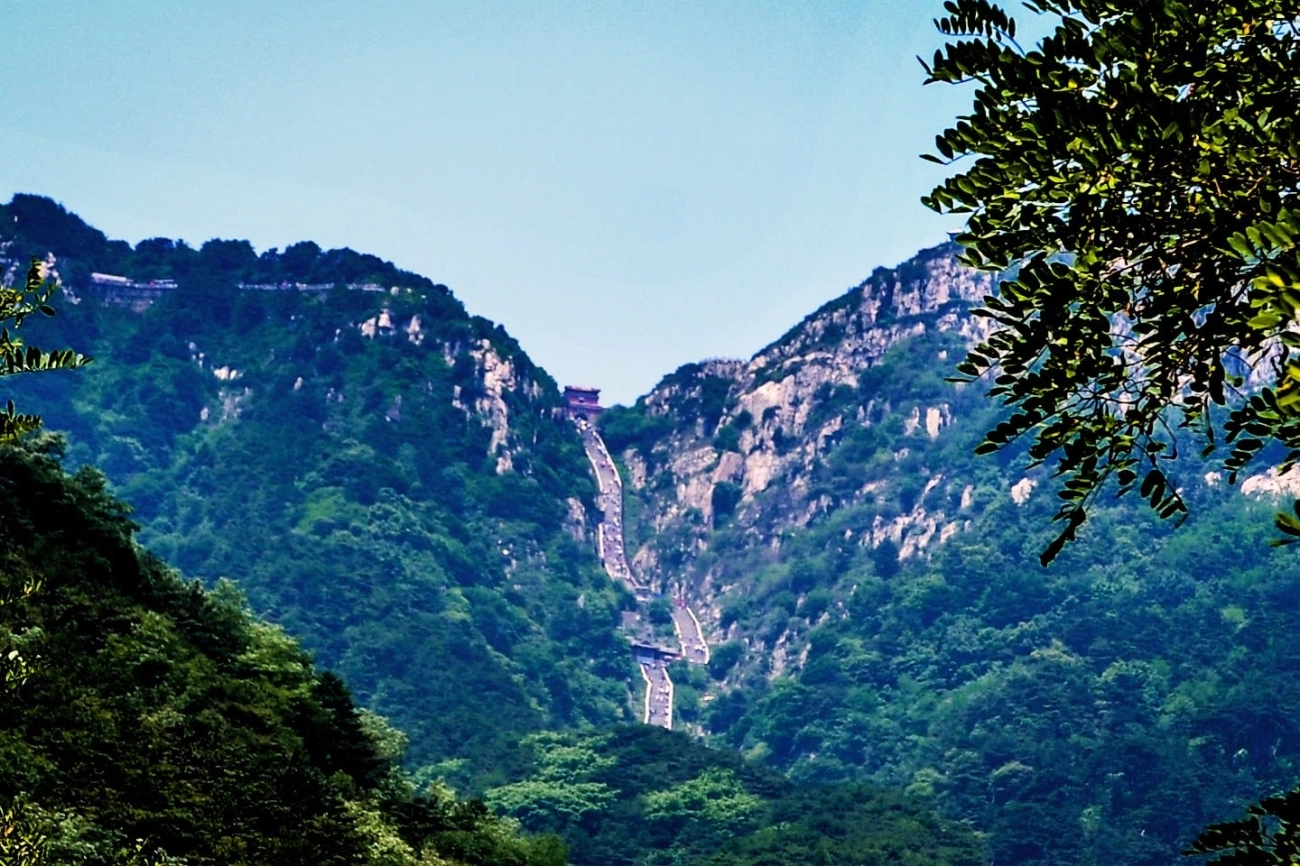
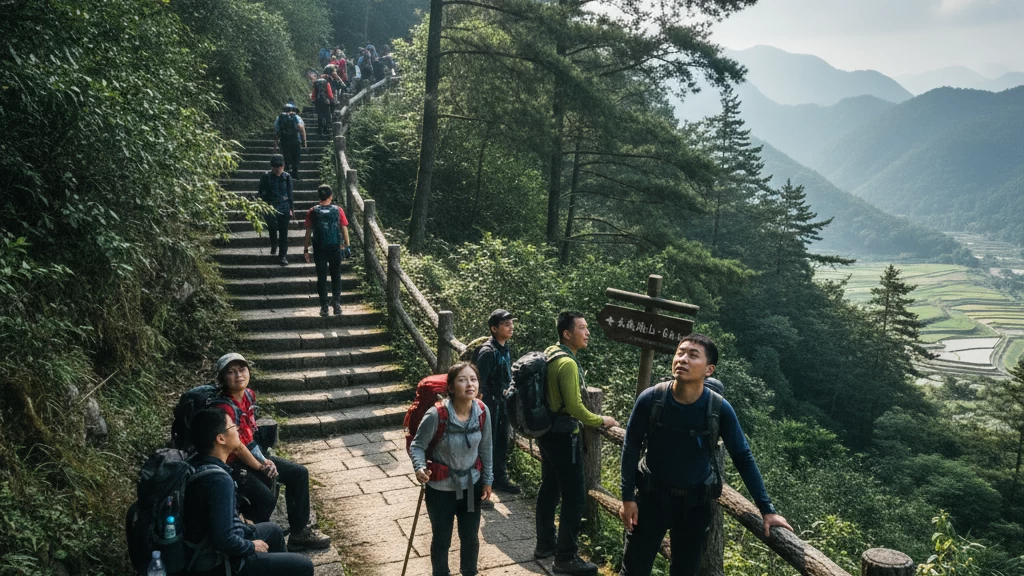
The classic Imperial Route, starting from the Red Gate and winding all the way to the summit, is the most popular way to hike Mount Tai. It’s a serious physical challenge—expect to climb over 6,000 stone steps and gain more than 5,000 feet in elevation. Most hikers take around 4 to 6 hours one-way, depending on fitness and stops along the way.
Despite the effort, the hike offers huge rewards. Reaching the top brings a real sense of accomplishment, with stunning viewpoints like Jade Emperor Peak that make every step worthwhile. Many visitors also mention a deep feeling of spiritual fulfillment, connecting to centuries of history and culture on this sacred mountain.
That said, there are pros and cons. The trail can get crowded, especially during peak seasons and holidays, and vendors selling snacks and souvenirs are common. But these minor distractions are balanced by the immersive experience of walking the same path emperors once took. For those prepared, hiking Mount Tai is absolutely worth it.
If you want more details on what to expect along the way, check out this detailed Mount Tai hiking guide and info on the exact Mount Tai steps for tips on pacing yourself.
Top Attractions and Must-See Spots on Mount Tai
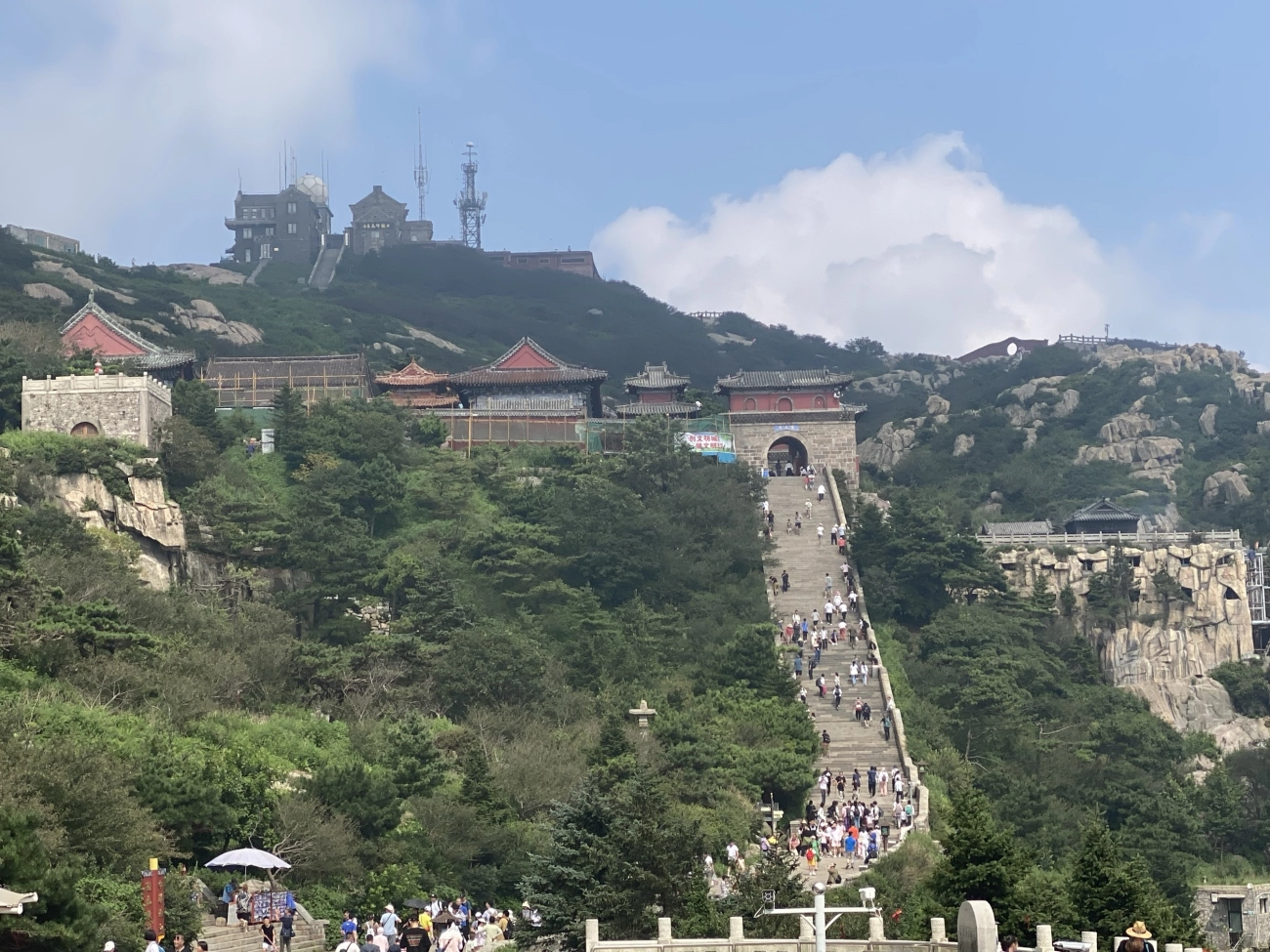
Mount Tai offers a variety of attractions that highlight its rich history and stunning nature. At the base, the Dai Temple (Daimiao) is a great place to start. This sprawling complex is the largest ancient architectural group on the mountain and a key site for imperial ceremonies. From there, make your way up to the South Heaven Gate and the famous Eighteen Bends, a challenging but scenic path with steep stairways leading close to the summit.
At the peak, you can visit the Jade Emperor Peak, the highest point and perfect for panoramic views and photo ops, along with the Bixia Temple, dedicated to the goddess of Mount Tai. Don’t miss the Azure Clouds Temple, known for its impressive stone carvings and ancient inscriptions that give a glimpse into the spiritual heritage of the region.
For those interested in lesser-known spots, check out the Zhanlu Terrace, a peaceful lookout with expansive vistas, and the Hou Shi Wu pines, famous for their twisted, ancient shapes adding character to the landscape.
For more detailed insights about the temples and cultural sites, the Mount Tai temple guide is a helpful resource.
Planning Your Visit: Routes, Options, and Tips
When planning your Mount Tai visit, consider your hiking style and energy level. The classic Imperial East Route (Taishan Imperial Route) is the most popular path. It starts at the Red Gate and leads straight up to the summit with over 6,000 steps. This route offers rich historical stops but can be physically demanding.
Alternatively, the Peach Blossom Valley route is less crowded and more scenic, winding through beautiful landscapes and less steep terrain—great if you want a quieter hike.
Transportation and Access
- Cable Car: For an easier option, take the Mount Tai cable car from the east or west side. It saves time and energy and is perfect if you’re short on time or prefer not to hike all the way.
- Bus Services: Local buses run from Tai’an city to the mountain base, making travel straightforward.
Overnight Stay Tips
Staying overnight on the summit lets you experience the famous Taishan sunrise without the early hike. There are guesthouses and simple accommodations available near Jade Emperor Peak. Book in advance, especially during peak seasons.
Entrance Fees and Getting Around
| Item | Cost (approx.) | Notes |
|---|---|---|
| Mount Tai Entrance | $15-$20 | Ticket covers the main hiking areas |
| Cable Car (one way) | $15-$25 | Varies by route and season |
| Bus to Mount Tai Base | $2-$5 | From Tai’an city |
For more on the hiking routes and tips, check out this comprehensive Mount Tai travel guide, which breaks down the routes and access options in detail. This can help tailor your itinerary to your preferences and fitness level.
With these options and tips, you can customize your visit to enjoy Mount Tai’s natural beauty and cultural heritage at your own pace.
Best Time to Visit Mount Tai
The best time to visit Mount Tai is during spring (March to May) and autumn (September to November). These seasons offer clear skies, mild temperatures, and stunning natural colors that make hiking and sightseeing much more enjoyable.
If you’re aiming to catch the famous Taishan sunrise, plan your visit in these months when the weather is typically stable. Clear early mornings increase your chances of seeing that breathtaking glow from Jade Emperor Peak.
To avoid the busiest times and large Mount Tai crowds, try visiting on weekdays or outside of China’s national holidays. Summer and winter can bring extreme weather—summer heats and crowds soar, while winter can get icy and slippery, making hiking tougher.
For a well-timed trip with pleasant weather and fewer crowds, spring and autumn are your best bets. Check detailed routes and seasonal tips to make the most of your Mount Tai adventure; for more insight, see this comprehensive Mount Tai travel guide.
Practical Advice: What to Pack, Fitness Level, and Safety
When planning your Mount Tai visit, packing the right gear is key. Bring comfortable, sturdy shoes—preferably hiking boots or well-cushioned sneakers—since the classic Taishan hike involves climbing over 6,000 stone steps. Dress in layers to adjust easily to changing weather, especially if you’re aiming for sunrise at Jade Emperor Peak, where temperatures can drop. Don’t forget plenty of water and some snacks to keep your energy up during the climb.
Fitness-wise, Mount Tai’s main Imperial Route is moderately challenging but doable for most reasonably fit people. If you’re worried about the physical demands, there are cable cars and bus options that can ease your ascent. For visitors with mobility issues or less stamina, these alternatives ensure you still enjoy the mountain’s beauty without overexertion.
Stay mindful of your health and safety:
- Check the weather forecast and avoid extreme heat or sudden rain.
- Pace yourself and take breaks – the climb is as much about enjoying the journey as reaching the top.
- Watch out for crowds, especially on weekends and holidays, to prevent fatigue and ensure a smooth hike.
For more details on the route difficulty and tips to match your fitness, see this comprehensive Mount Tai hiking guide.
Potential Drawbacks and How to Mitigate Them
Mount Tai can get pretty crowded, especially during Chinese holidays and weekends when both locals and tourists flock to the trails. This can slow your pace and make popular spots feel a bit packed. Be prepared for some waiting, and plan your visit during weekdays or off-peak hours if possible.
Commercial areas with vendors and facilities are common near the main entrances and summit, which means you’ll encounter plenty of snack stalls and souvenir shops. While these add convenience, they can also detract from the natural and spiritual vibe. Carry your own water and snacks to avoid relying too much on vendors.
The weather on Mount Tai can change fast—sunshine one minute, rain or fog the next. It’s important to bring layers and be ready for the physical challenge since the hike involves over 6,000 steps and a significant elevation gain. Make sure you check the weather forecast and assess your fitness level ahead of time.
Despite these drawbacks, most visitors agree that the rich history, breathtaking views, and the feeling of standing atop one of China’s sacred mountains far outweigh the hassles. With some planning and flexibility, the experience is truly unforgettable. For detailed info on the climb and preparation, you can check this comprehensive guide to how long it takes to climb Mount Tai.