If you’re curious about Mount Tai history, you’ve landed in the right place. This isn’t just a mountain—it’s a living symbol of China’s ancient imperial power and spiritual heritage. From Qin Shi Huang’s legendary Fengshan ceremony to the echoes of Confucius’s footsteps and the thousands of stone inscriptions carved by emperors and poets alike, Mount Tai (Taishan) offers a journey through time like no other. Whether you’re a history buff, a traveler planning your visit, or someone drawn to its sacred aura, understanding why this mountain earned the title “The First of the Five Great Mountains” will change the way you experience every step upward. Let’s explore how Mount Tai’s rich past and enduring cultural significance continue to captivate millions today.
Geological Origins and Prehistoric Legends of Mount Tai
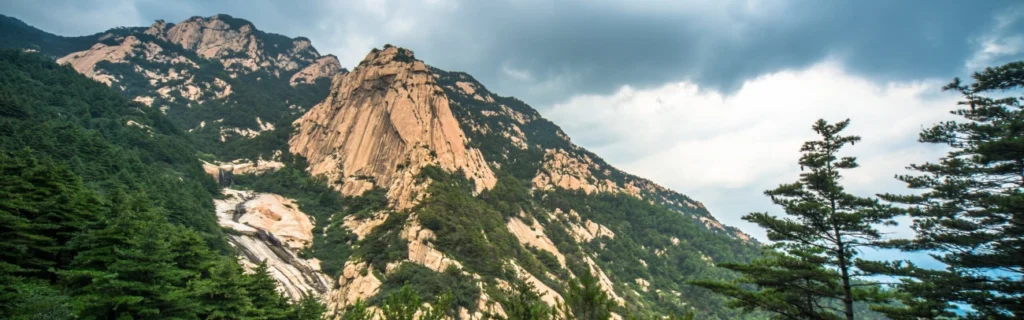
Mount Tai’s history begins not with human hands but deep in the earth’s past—over 2.5 billion years ago during the Archean eon. The mountain is primarily made up of some of the oldest rocks on the planet, shaped by intense geological forces over billions of years. Its towering presence is not just a natural wonder but a testament to Earth’s ancient history.
Long before emperors and temples, early humans left traces near Mount Tai, showing evidence of shamanistic worship and rituals tied to the mountain’s mysterious power. These early beliefs laid the foundation for Mount Tai’s reputation as a sacred site.
Legend weaves itself deeply into the mountain’s story. One of the most famous myths is linked to Pangu, the giant who, according to Chinese folklore, created the world. It’s said that Mount Tai stood as a cosmic pillar stabilizing heaven and earth. The mountain’s steep paths and towering cliffs inspired the “Stairway to Heaven” folklore, imagining a route connecting mortals with deities above.
This blend of ancient geology and rich myth makes Mount Tai much more than just a natural landmark — it’s a living symbol where Earth’s deep past and human spirituality first intertwine.
Mount Tai in Xia, Shang, and Zhou Dynasties (2070–221 BCE)
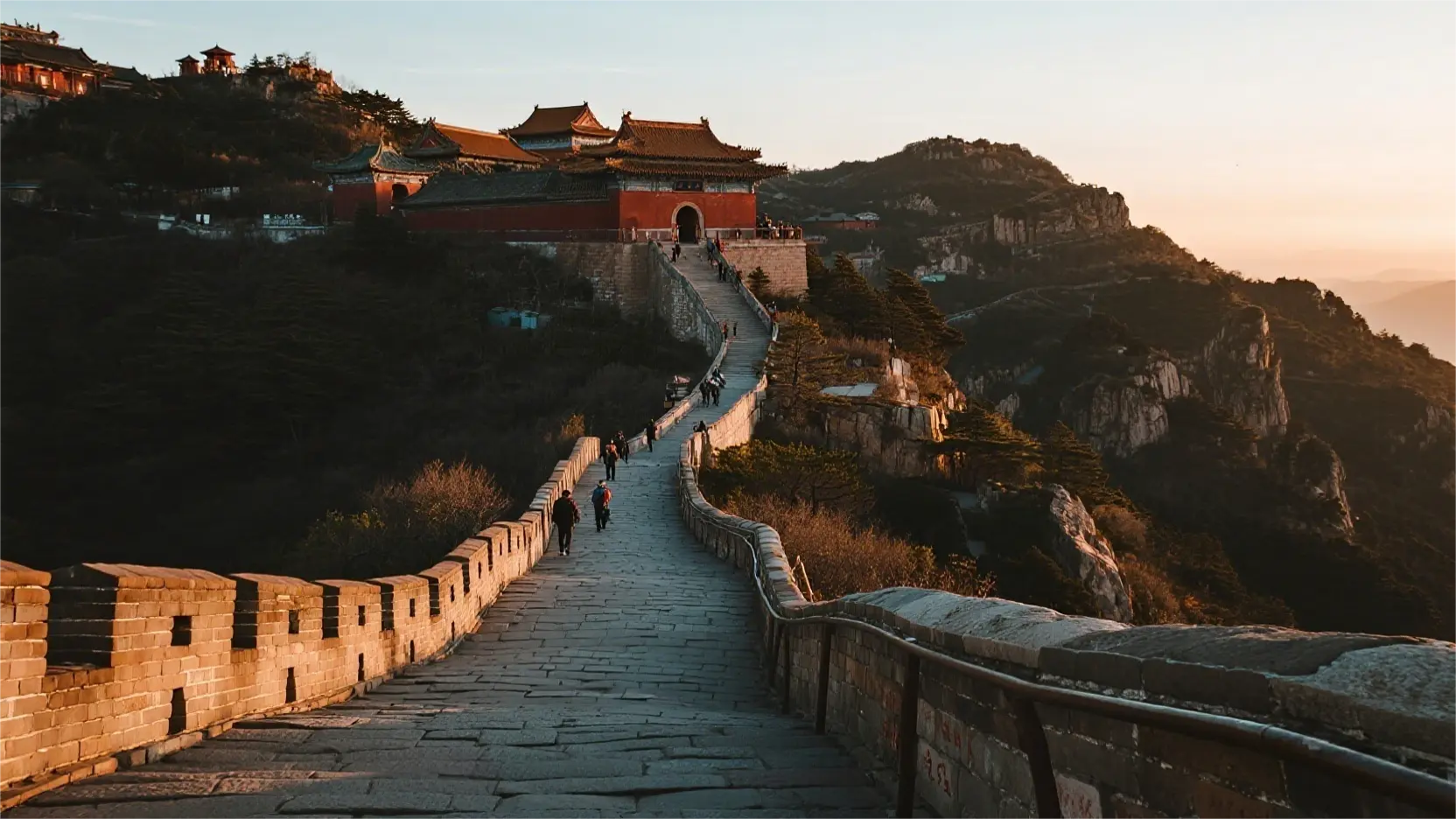
During the Xia, Shang, and Zhou dynasties, Mount Tai began its rise as a central figure in Chinese spiritual and political life. It was during this period that the earliest recorded sacrifices took place on the mountain, marking the beginning of its long tradition as a site for divine worship. Recognized as the Eastern Sacred Mountain, Mount Tai became part of the Five Great Mountains system, a group of mountains each associated with a cardinal direction in ancient Chinese cosmology.
This era also saw the birth of the Feng and Shan sacrifices—ceremonial rites that communicated harmony between heaven and earth and reaffirmed the emperor’s divine right to rule. These sacrifices symbolized the emperor’s duty to maintain cosmic balance, a tradition that would influence imperial ceremonies for centuries.
If you’re curious about the historical paths emperors might have taken during these early dynasties, Mount Tai Travel Guide hiking routes offers insights into the ancient imperial trails.
Qin and Han Dynasties: The First Emperor’s Legacy (221 BCE–220 CE)
Mount Tai’s history during the Qin and Han Dynasties marks a turning point in its cultural importance. Qin Shi Huang, China’s First Emperor, famously climbed Mount Tai five times. His most notable visit came in 219 BCE when he performed the Fengshan ceremony, a grand ritual to honor Heaven and Earth. This event symbolized the emperor’s claim to the “Mandate of Heaven,” reinforcing his divine right to rule and uniting the new empire under his authority.
The Fengshan ceremony was more than a religious rite; it was a political statement, showing Qin Shi Huang’s power and legitimacy. This set a precedent for future emperors, especially during the Han Dynasty. Emperor Wu of Han held multiple ceremonies on Mount Tai and used poetry and speeches during his visits to celebrate heaven’s blessings and the empire’s prosperity.
Mount Tai became a canvas for imperial ambition, a place where rulers connected with divine forces to legitimize their reign. Today, if you want to explore these historic climbs and the imperial path, you can check detailed routes in this Mount Tai hike guide, designed to follow the footsteps of ancient emperors.
The Golden Age of Imperial Pilgrimage (Tang to Qing)
Between the Tang and Qing dynasties, Mount Tai saw its golden age as the pinnacle of imperial pilgrimage. A total of 72 emperors attempted the sacred Fengshan ceremony here, which was the ultimate ritual to confirm their heavenly mandate—but only six succeeded in completing it. This made the mountain a powerful symbol of imperial legitimacy.
Tang Dynasty poets like Li Bai and Du Fu famously captured Mount Tai’s grandeur in their verses, highlighting its spiritual and cultural significance. Their poems helped immortalize Taishan as a source of inspiration not just for rulers, but for artists and scholars alike.
In the Song Dynasty, Emperor Zhenzong held a particularly notable Fengshan ceremony in 1008. Though it stirred some controversy at the time, this event reinforced the mountain’s importance as the core of China’s sacred geography. The Ming and Qing emperors continued this tradition, showing deep respect for Mount Tai through repeated pilgrimages and ceremonies, maintaining Taishan’s role in sustaining dynastic authority.
For those interested in the temples and historic sites connected to these imperial rituals, the Dai Temple history offers detailed insights into the sacred buildings that hosted these grand events.
Mount Tai and Chinese Philosophy
Mount Tai has long held a special place in Chinese philosophy and spiritual thought. Confucius himself is said to have climbed the mountain, famously remarking, “The world is small from the top of Tai.” This reflects the mountain’s symbolic importance as a vantage point for understanding the broader world and one’s place within it. Daoism also flourished here, with 22 ancient Daoist temples scattered across the mountain, making it a key site for followers seeking harmony with nature and the cosmos.
Mount Tai uniquely blends Confucianism, Daoism, and Buddhism into a spiritual tapestry. This syncretism is evident in the range of temples and rituals found on the mountain, offering a rare glimpse into how these traditions coexist and enrich one another. For travelers interested in this profound cultural mix, exploring Mount Tai’s sacred sites reveals the deep philosophical roots underlying its imperial pilgrimage China heritage and continued relevance.
Major Historical Temples and Monuments
Mount Tai is home to some of China’s most important historical temples and monuments, reflecting its deep cultural and religious significance. At the mountain’s base lies Dai Temple (Daizong), often called the “Forbidden City of Mount Tai” because of its grand architecture and role as the main ceremonial site for imperial sacrifices. Nearby, the Azure Cloud Temple and Bixia Temple honor Daoist deities, with Bixia Yuanjun revered as the goddess of Mount Tai, attracting countless worshippers.
Another iconic site is the God of Tai Mountain Palace, a key religious center preserving ancient rituals and art. Across the mountain, you’ll find an incredible collection of 819 stone tablets and over 1,800 stelae and cliff inscriptions, making Mount Tai the world’s largest outdoor epigraphy museum. These inscriptions span thousands of years, offering invaluable insights into the mountain’s religious, imperial, and cultural history.
For travelers eager to dive into these rich legacies, exploring these temples and their stone inscriptions offers an immersive experience into Mount Tai’s profound historical depth. More detailed information can be found in the comprehensive history of Mount Tai guide, perfect for those planning a culturally rich visit.
Modern History and UNESCO Recognition
Mount Tai’s history in the modern era reflects both challenges and global recognition. During the Republican era and the wars that followed, the mountain and its historic temples suffered damage, but the cultural significance of Taishan remained strong. In 1987, Mount Tai was honored with a major milestone—it became the first site in China to receive dual designation as a World Cultural and Natural Heritage site by UNESCO. This acknowledged both its rich history and remarkable geology. Later, in 2006, Mount Tai was also added to the UNESCO World Geopark list, highlighting its important geological origins alongside its cultural legacy.
For visitors interested in exploring this blend of natural beauty and historic endurance, there are detailed guides on the history of Mount Tai that provide an in-depth look at its modern preservation efforts and global significance.
Mount Tai Through the Centuries: Timeline
Here’s a clear, easy-to-follow timeline highlighting the key moments in Mount Tai history from its ancient origins to modern times:
| Period/Dynasty | Key Events & Highlights |
|---|---|
| 2.5 billion years ago | Formation of Mount Tai’s Archean rock foundation |
| Prehistoric Era | Early human traces and shamanistic worship |
| Xia, Shang, Zhou (2070–221 BCE) | First recorded sacrifices; emergence as Eastern Sacred Mountain in the Five Great Mountains; Feng and Shan sacrifices begin |
| Qin Dynasty (221–206 BCE) | Qin Shi Huang’s five ascents; famous Fengshan ceremony in 219 BCE proving heavenly mandate |
| Han Dynasty (206 BCE–220 CE) | Han Wu Emperor’s multiple rituals; flourishing of Mount Tai poetry and culture |
| Tang to Qing Dynasties (618–1912) | About 72 emperors performed Fengshan (only 6 officially successful); poets like Li Bai and Du Fu celebrate Taishan; Song Emperor Zhenzong’s controversial 1008 ceremony; Ming and Qing continued imperial reverence |
| Philosophical Development | Confucius’ famous climb; Daoist temples flourish, blending with Buddhism and Confucianism |
| Major Temples Built | Construction of Dai Temple, Azure Cloud Temple, Bixia Temple, and God of Tai Palace; over 1,800 stelae and inscriptions carved |
| Republican Era (1912–1949) | Damage during wartime but continued cultural importance |
| Modern Recognition (1987 onward) | UNESCO World Cultural & Natural Heritage site (1987); added to World Geopark list (2006) |
This timeline helps put Mount Tai’s incredible history into perspective—from a natural wonder shaped over billions of years to a cultural and spiritual landmark celebrated through centuries.
For a detailed experience of Mount Tai’s historical highlights along the imperial paths, you can explore the best routes and must-see spots on the official Mount Tai travel guide.
Why Mount Tai Still Matters Today
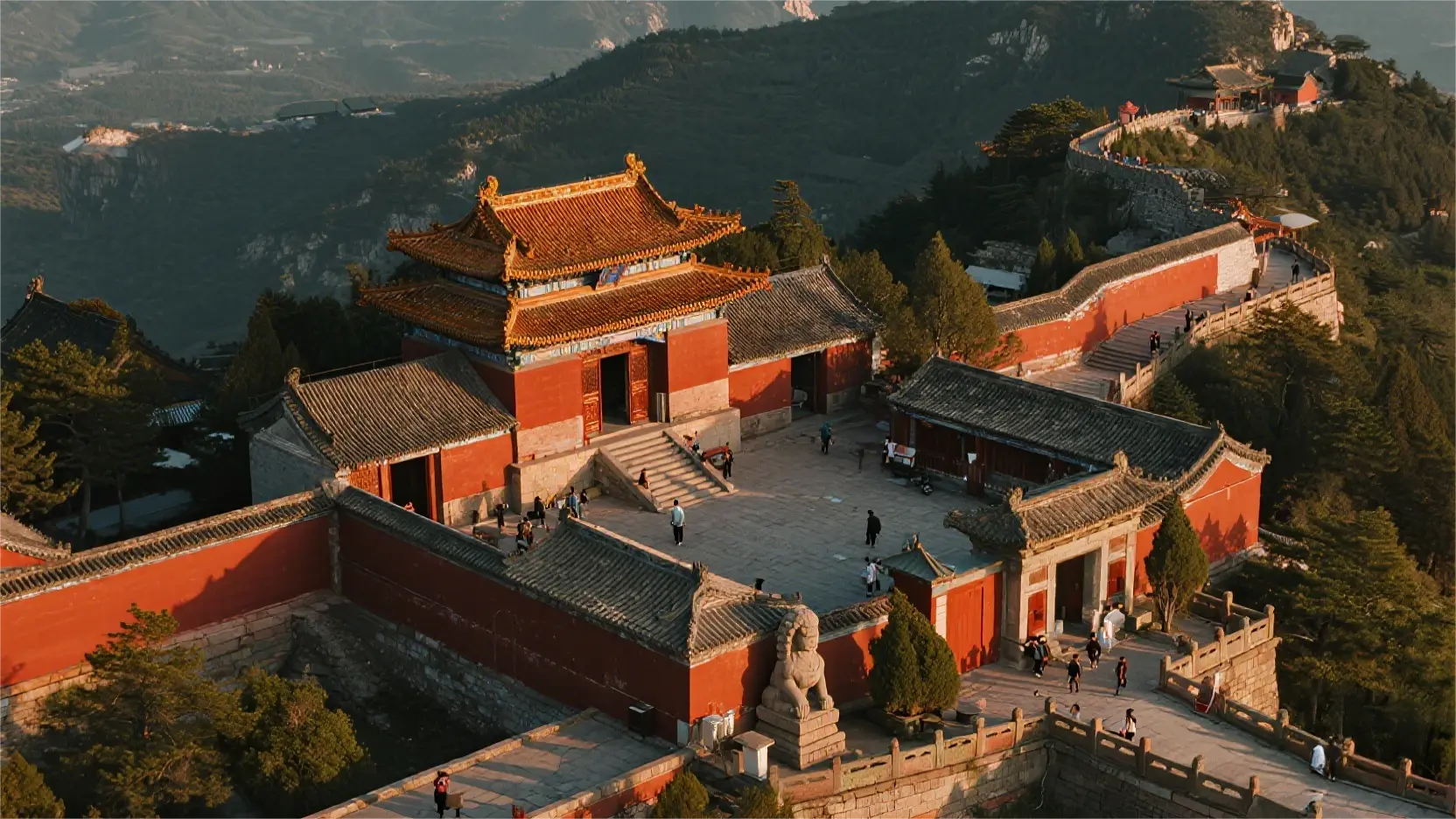
Mount Tai remains a powerful symbol of Chinese stability and imperial legitimacy. For centuries, it represented the connection between heaven and earth, embodying the right to rule. Today, this symbolism continues to attract millions who seek a link to China’s deep cultural roots.
One popular tradition is the sunrise pilgrimage. Every year, thousands hike to the summit early in the morning to watch the sunrise, believing it brings good luck and renewal. There’s even a fun custom called “carry your girlfriend up the mountain,” where couples prove their love and endurance by tackling the climb together.
Mount Tai’s appeal is undeniable — with over 8 million visitors annually, it’s among China’s top cultural and natural tourist sites. Its long history, spiritual significance, and stunning views keep Mount Tai a must-visit destination worldwide. Whether you’re interested in history, culture, or just a memorable adventure, Mount Tai still stands strong today.
Planning Your Historical Journey with Mount Tai Travel
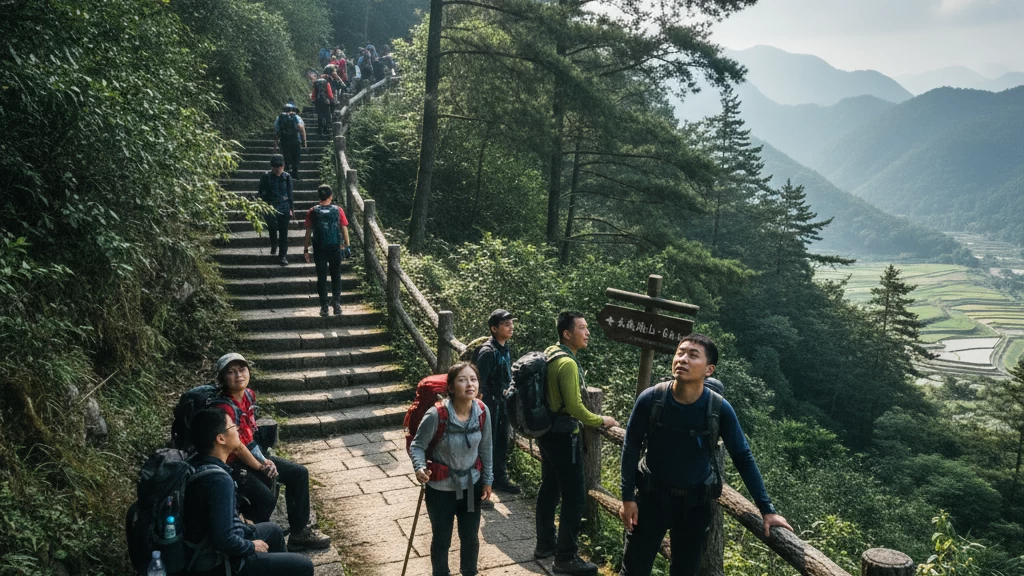
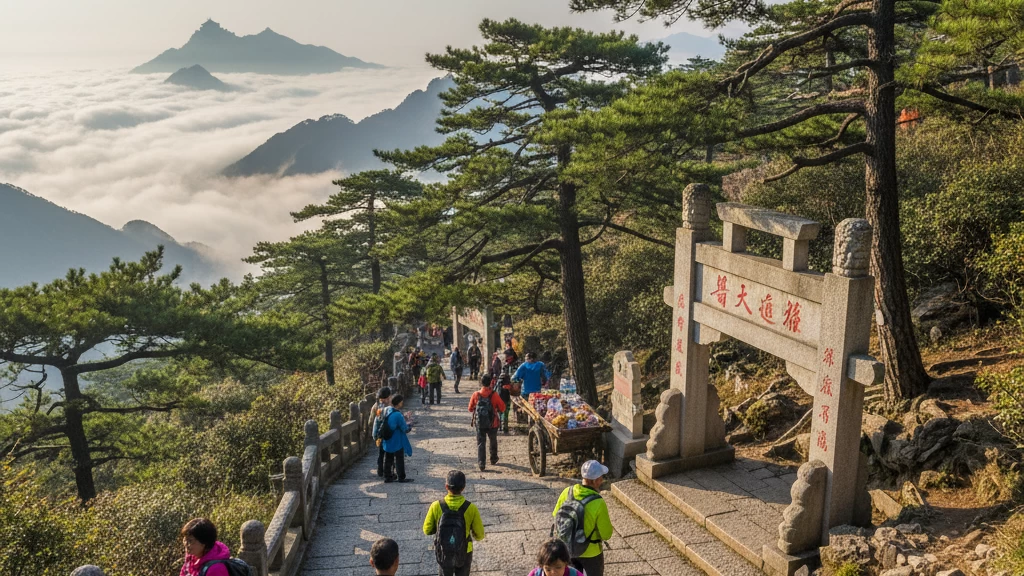
If you want to experience Mount Tai’s rich history up close, the best way is to follow the imperial path that countless emperors once walked. Start at the Red Gate, then make your way to the Mid-Heaven Gate, and finally reach the South Heaven Gate. This route covers the iconic 6,660 steps that have been part of pilgrimage rituals for centuries.
Must-See Historical Spots Along the Path
- Dai Temple: At the base of the mountain, it’s often called the “Forbidden City of Mount Tai” and is packed with history.
- Azure Cloud Temple: A stunning Daoist site with beautiful architecture.
- Bixia Temple: Dedicated to the goddess Bixia Yuanjun, it’s a key spiritual stop.
- Stone Inscriptions and Stelae: There are over 800 stone tablets and inscriptions along the route, making it the world’s largest outdoor epigraphy museum. Be sure to look for famous poems and imperial decrees carved in stone.
Guided Tours to Deepen Your Experience
Look for guided tours tailored to highlight:
- The stories of emperors who performed the Fengshan ceremony here.
- Confucius’s historic climb and his famous view from the summit.
- The sacred Daoist temples and unique stelae inscriptions scattered throughout the mountain.
Seasonal Tips and Sunrise Viewing Etiquette
- When to Visit: Spring and autumn offer the best weather and clear views but prepare for crowds during major holidays.
- Sunrise Viewing: Catching the sunrise from Mount Tai is legendary. Arrive early—most people start hiking around 3 to 4 AM.
- Etiquette: Keep noise low, respect the temples, and don’t litter. This place is sacred to millions, so tread lightly and show respect.
Whether you’re a history buff or simply want to soak in cultural traditions, planning your Mount Tai travel with these tips will make your journey both rewarding and unforgettable.