The Allure of the Ascent: History and Cultural Soul of Taishan’s Steps
Mount Tai’s steps are far more than a physical climb—they’re a journey through time and spirit. Tracing back to the Spring and Autumn Period (770–476 BC), these sacred steps formed an imperial path lined with ornate gates, archways, and ancient inscriptions. Each stone tells a story, carved by emperors, poets, and pilgrims drawn to Taishan’s legendary power.
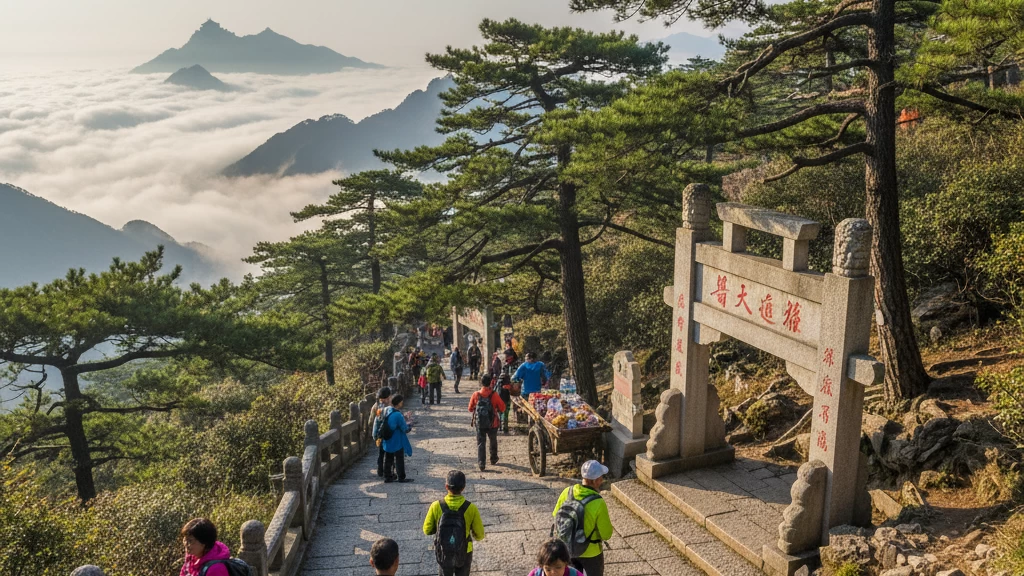
Key landmarks punctuate the ascent. Start at the Red Gate Palace, a majestic entry that marks the beginning of transformation. Then, reach the Zhongtian Gate, the gateway to the mountain’s heavenly realm. The iconic Shibapan, or 18 Bends, tests your rhythm and resolve—here, climbers often adopt pacing techniques to conquer its winding, steep switchbacks.
Today, these steps embody cultural resilience. Pilgrims still ascend at dawn to witness the breathtaking sunrise, a ritual symbolizing renewal and enlightenment. Social media feeds overflow with inspiring snapshots, capturing not just the landscape but the deep spirituality animating every climb.
A beloved tradition carried by Mount Tai Travel adds a unique touch: the seal-stamping ceremony. Visitors receive their own stamp, a personal badge of honor that connects them to centuries of history and shared adventure—a perfect memento for U.S. travelers eager to experience this living heritage.
Mapping the Routes: Choosing Your Path Up the 6,660 Steps
Mount Tai offers three main routes up its famous 6,660 steps, each with distinct features to suit different hikers.
-
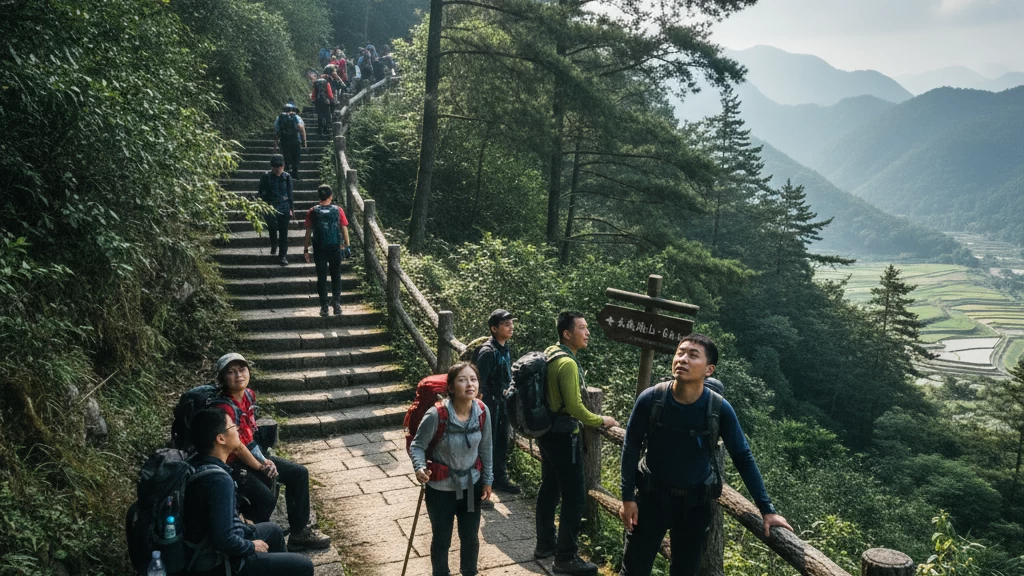
East Route: Known as the imperial path, this 10 km trail has about 7,200 steps. It’s the most popular and scenic, passing through ancient pine forests and key landmarks. The climb is divided into three parts:
- Base to Zhongtian Gate: Around 3,000 steps through shaded pine areas.
- Zhongtian to Nantian Gate: Roughly 2,500 steps including the Cloud Bridge with sturdy handrails.
- Final stretch to Jade Emperor Peak: About 1,660 steps featuring the famous Mount Tai 18 bends winding along Heavenly Street.
-
West Route: Shorter but significantly steeper, this path sees fewer crowds. It’s a tougher climb, great for experienced hikers wanting a more intense challenge.
-
Central Route: The shortest of all, with fewer steps, ideal if you want a quicker ascent or a less crowded experience.
Typically, expect to spend 4 to 6 hours climbing up and 2 to 3 hours coming down, covering an elevation gain of approximately 1,545 meters.
For U.S. visitors, combining a bus ride with a cable car option can save energy and time. Also, using crowd-monitoring apps helps plan your climb to avoid busy periods and ensures a smoother journey.
Gear Up and Train: Essentials for Tackling the Taishan Steps
Preparing your body and packing right are key to conquering the Mount Tai steps comfortably. Start with moderate cardio workouts like brisk walking or cycling, then add a 4-week stair climbing routine to build stamina. If you have sensitive knees, consider knee braces to prevent strain during the climb.
Packing checklist:
- Lightweight backpack
- Moisture-wicking, layered clothing to adjust for temperature changes
- Trail shoes with strong grip to handle uneven steps
- Refillable water bottle to stay hydrated without carrying heavy plastic
- Energy-friendly snacks like nuts or granola bars
- Sunscreen and hat for sun protection
- Power bank to keep your phone charged, especially if using apps for navigation
Health and safety matter at this elevation. Acclimate yourself gradually to prevent dizziness, especially if you’re not used to mountain humidity. Always have emergency contacts handy and consider travel insurance that covers guided hikes.
Pro tips: Use step-tracking apps to make the climb more engaging. These apps let you gamify your progress and share badges with friends, keeping motivation high throughout the 6,660 steps of the East Route or other trails. This approach combines fitness and fun—perfect for US travelers aiming to handle the Mount Tai fitness challenge smartly.
Logistics Mastery: Getting to and Navigating the Steps with Ease
Getting to Mount Tai is straightforward for U.S. travelers thanks to high-speed bullet trains connecting from Beijing and Shanghai. These trains drop you off in Tai’an city, where convenient airport shuttles and local transfers are ready. If you’re traveling through certain Chinese cities, visa-free transit options might apply, so double-check your itinerary in advance.
Once you arrive, expect a small entry fee to access the Taishan hiking trail area. Bus and cable car tickets vary by route and season—usually affordable and efficient, especially if you want to save energy on parts of the climb. Night hikes are permitted but require planning for cooler temperatures and limited services.
For the best experience, avoid high-traffic periods like Golden Week (early October). The ideal months are September to October when the weather is clear, views are stunning, and crowds thin out. Keep an eye on forecast updates for peak visibility of Mount Tai’s breathtaking summit vistas.
To make your trip seamless, many local providers offer shuttle packages and English-speaking guides familiar with US travelers’ needs. These services help smooth the language gap and deliver hassle-free transitions between transportation, the historic steps, and cultural sites. For a detailed look at travel options and shuttle services, explore our full guide on things to do in Mount Tai.
Conquering the Climb: Hour-by-Hour Strategies and Insider Hacks
Tackling the Mount Tai steps calls for smart pacing to keep energy steady. Aim to hydrate every 500 steps—small sips work better than big gulps. Take short photo breaks often, especially around the famous 18 bends (Shibapan). These sharp switchbacks are tricky but if you keep a calm mindset and steady rhythm, they’ll feel less daunting.
When it comes to crowd etiquette, be ready to yield uphill hikers—it’s the unspoken rule on the narrow trails. Souvenir shopping? Don’t hesitate to haggle a bit; local vendors expect it and you could snag a better price on postcards or charms.
Watch out for common mistakes like carrying too much water—it gets heavy fast and can slow you down. Instead, plan water refills along the way. Also, manage your energy for the descent, where fatigue often creeps in. Stick close to available on-trail support stations if you need quick help or a rest.
Summit Rewards: Beyond the Steps to Eternal Views and Serenity
Reaching the Mount Tai summit means more than just completing a hike—it’s a moment of deep connection and awe. At the top, the Jade Emperor Temple offers a glimpse into centuries-old rituals, where visitors can witness traditional prayers and stamps symbolizing spiritual blessings. The temple itself is a cultural gem, rich with history that enhances the sacred feel of the climb.
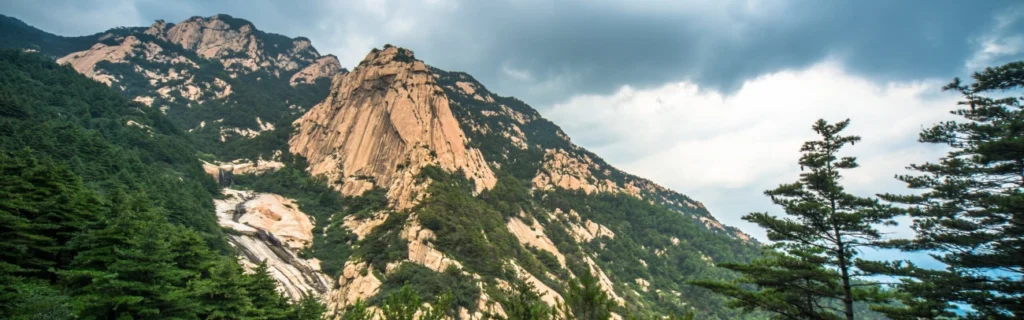
The views from the peak are truly unforgettable. You’ll see endless mountain waves, clouds drifting beneath you, and the vast Shandong landscape stretching out in every direction. Nearby, don’t miss spots like Black Dragon Pool and Dai Temple, which add a peaceful, reflective touch to the experience after the tough ascent.
For those chasing the famous Climbing Mount Tai sunrise, staying overnight in a summit guesthouse is a game-changer. Watching the first light spread over the “East Rising Sun” is a bucket-list moment—the kind you’ll remember long after you leave.
Beyond sightseeing, many climbers find a unique wellness vibe here. The quiet among the ancient pines invites a moment of pause. Whether it’s a brief yoga session or simple meditation, taking time to reflect after the climb nourishes both body and spirit.
Finally, check out user-shared summit galleries online—they’re packed with real photos and insights that inspire and prepare you for what awaits on top of this iconic sacred mountain.
Descent and Beyond: Sustainable Steps Down and Extended Adventures
When it’s time to descend Mount Tai, smart planning makes all the difference. Many hikers choose the cable car option to save their knees and enjoy scenic views without the strain. If you prefer, you can take a bus back to the base for a quick and comfy ride after your climb. For the more adventurous, exploring wilder trail detours on the way down offers a fresh perspective and fewer crowds.
Eco-conscious Tips for Your Descent
- Follow leave-no-trace principles: pack out all trash, stick to marked trails, and avoid disturbing plants or wildlife.
- Offset your carbon footprint by supporting local tree planting initiatives—some tours include these green options.
Explore Beyond Mount Tai
After the climb, broaden your experience with nearby attractions:
- Qufu: Discover Confucius’ hometown, adding cultural depth to your Shandong trip.
- Jinan Hot Springs: Relax sore muscles in natural thermal baths just a short drive away.
Full itinerary guides tailor-made for U.S. travelers help you map out these side trips smoothly.
Inspiration from Repeat Climbers
Many returning hikers talk about finding a rhythm in the steps—an unexpected clarity and calm that keeps them coming back. Whether it’s a quiet moment on the trails or meeting fellow travelers, these stories highlight the climb as more than just a physical challenge. It’s a mental and spiritual journey that grows with every visit.