The Majesty of Mount Tai: Geography, Geology, and Unrivaled Views
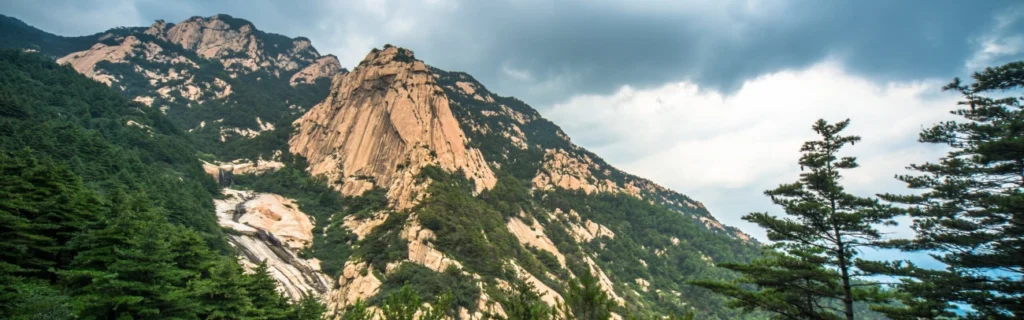
Mount Tai’s awe-inspiring views come from its impressive geology and diverse landscapes. Formed during the Cambrian Period as a fault-block mountain, it stands as one of China’s oldest and most stable peaks. This ancient formation gives the mountain its dramatic cliffs and wide plateaus, setting the stage for breathtaking panoramas.
Key viewpoints showcase the mountain’s grandeur:
- Jade Emperor Peak – The highest point, offering sweeping vistas over the Tai’an city aerial perspective and the distant Yellow River.
- Sun View Pavilion – Famous for its perfect sunrise panoramas, where golden light spills over misty valleys.
- River Enjoyment Pavilion – A serene spot to gaze upon flowing streams framed by lush greenery.
Each season paints Mount Tai in a new palette: vibrant spring blooms burst amid fresh leaves, summer blankets the landscape in rich green, autumn brings fiery crimson and gold foliage, while winter’s clarity sharpens every ridge and temple rooftop against crisp skies. This ever-changing beauty makes every visit feel like discovering a new masterpiece.
A Journey Through Time: Historical and Cultural Layers Enhancing the Scenery
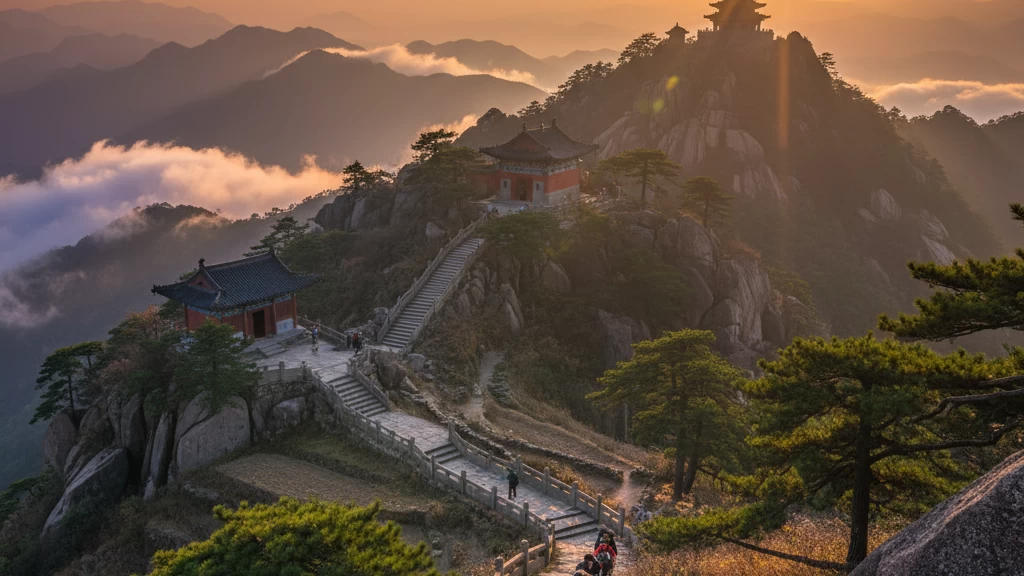
Mount Tai is more than just a stunning natural landmark—it’s a living tapestry of history and culture that enriches every view. The mountain has been a center of worship since the Shang Dynasty, with ancient rituals honoring heaven and earth still echoed in its stone inscriptions. One of the most famous legacies is the calligraphy left by Qin Shi Huang, China’s first emperor, marking Mount Tai’s importance as a sacred site.
Throughout history, imperial pilgrims like Han Wu Di and Tang Gaozong made the arduous journey to Mount Tai to perform important ceremonies that reinforced their rule and sought blessings. The Dai Temple, located at the mountain’s base, is a key spiritual site closely tied to these traditions, adding depth to the overall experience.
Mount Tai’s cultural significance continues today through its connection to nearby Confucius’ hometown, Qufu, and events like the 2025 Spring Festival Gala, which highlight the region’s vibrant heritage. Along the trails and viewpoints, historical steles and ancient rock carvings frame the scenery, offering visitors a powerful glimpse into thousands of years of Chinese civilization.
For a deeper dive into Mount Tai’s rich past, check out this detailed history of Mount Tai.
Chasing the Perfect View: Best Hiking Routes, Cable Cars, and Viewpoint Tips
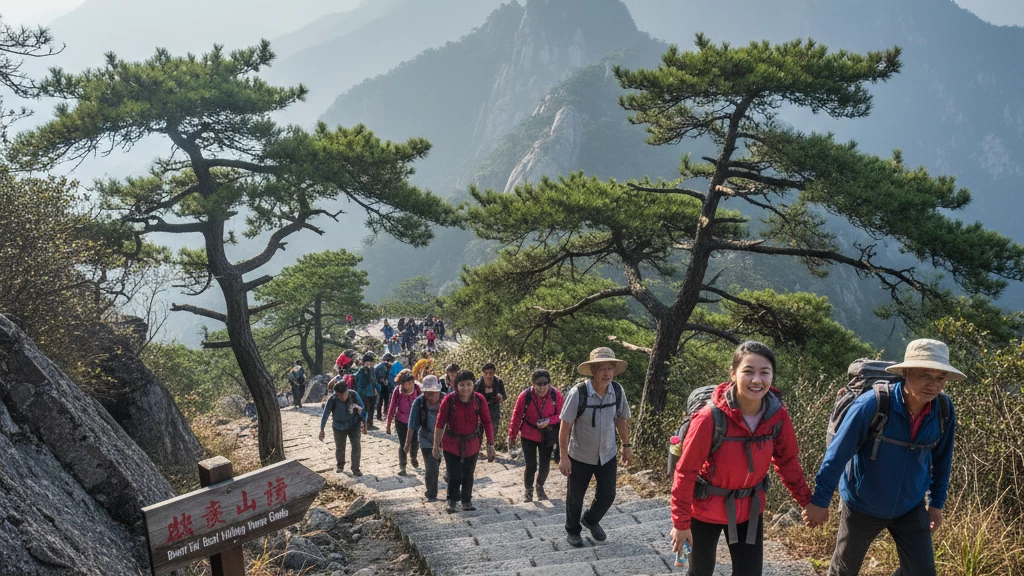
Mount Tai offers a variety of ways to catch its stunning vistas, whether you’re a serious hiker or looking for an easier path.
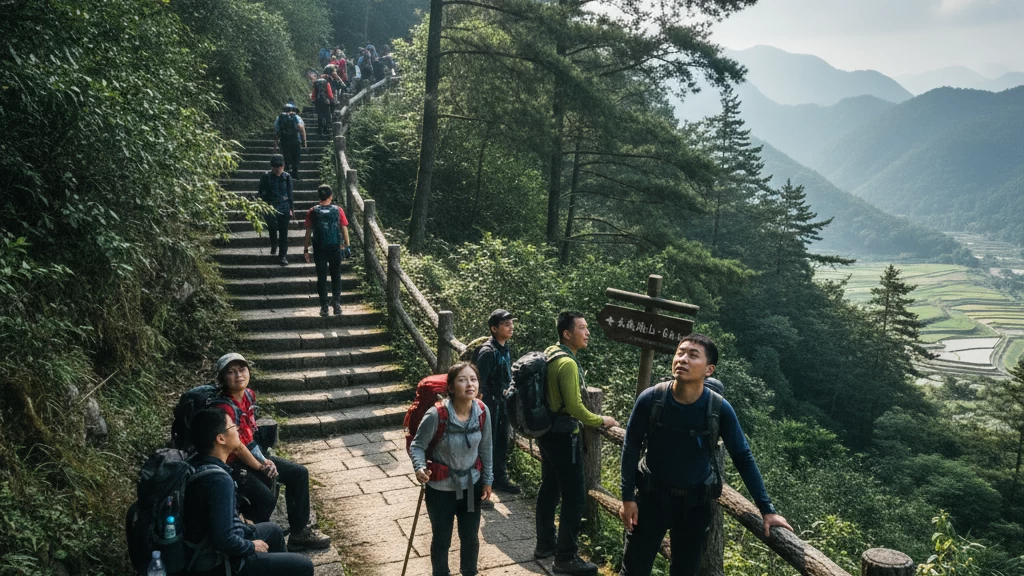
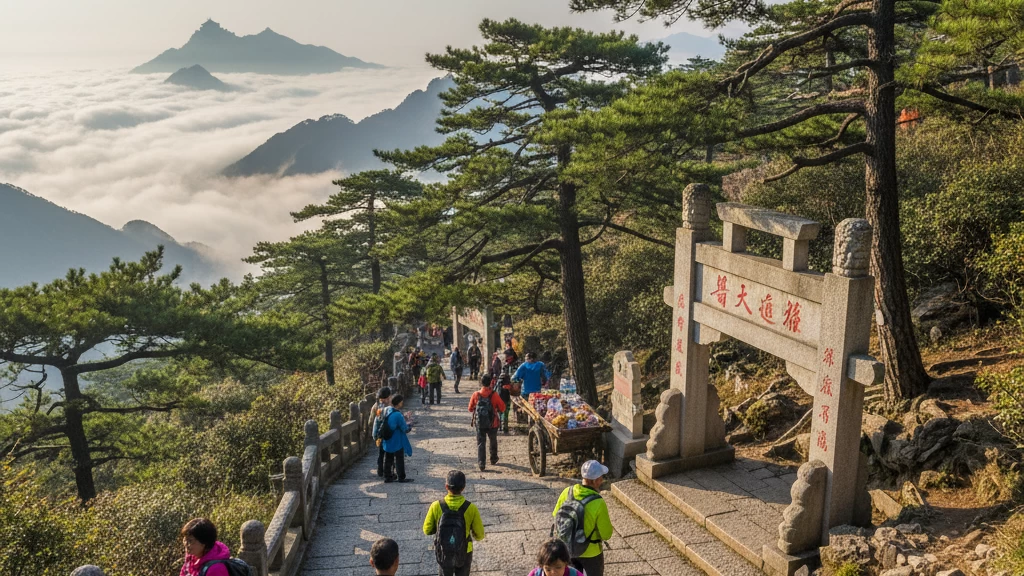
- Classic Central Route: This is the most famous trail, known for its 6,660 stone steps winding through the Eighteen Bends. It’s a rewarding challenge that leads straight to the summit, passing historic temples and rock carvings along the way.
- Peach Blossom Ravine Cable Car: Perfect for families or those wanting a scenic, less strenuous ascent. This cable car delivers beautiful views of lush valleys and flowering trees, especially vibrant in spring.
- Night Hikes for Sunrise: Many visitors start climbing before dawn to reach the summit in time for the legendary Mount Tai sunrise panorama. Bring a reliable headlamp and dress in layers — it gets cooler at higher elevations.
- Pro Tips for Travelers:
- Check weather forecasts beforehand; fog can obscure views but sometimes adds a mystical vibe.
- Wear sturdy hiking shoes and carry water for hydration.
- Use shuttle buses available from Tai’an city to trailheads to save time.
- Consider eco-trails and less-traveled paths if you want a quieter experience while supporting sustainable tourism.
- Accessibility: Some routes are easier and wheelchair-friendly, like parts of the eastern path and cable car areas, making the mountain’s beauty reachable to everyone.
For detailed hiking routes, shuttle schedules, and an interactive map showing the best viewpoints with their peak times, explore Mount Tai Travel’s expert hiking guides to plan your perfect climb.
You can find these resources here: Mount Tai hiking routes tips and 2 paths up Mount Tai hiking guide.
Capturing the Magic: Sunrise, Sunset, and Photographic Hotspots
Mount Tai’s sunrise panorama is one of the most stunning natural shows you can witness. To catch the perfect sunrise, plan to reach key spots like Jade Emperor Peak early—around 4:30 to 5 AM, depending on the season. Crowds can get heavy, so arrive early or consider a guided hike to secure a good vantage point with less hassle.
Sunsets here are equally serene. The “golden belt” views over the Yellow River from Taishan summit offer a peaceful, glowing horizon that contrasts beautifully with the mountain’s rocky textures. Sunset times vary, so check local schedules to time your visit perfectly.
For photographers and Instagram enthusiasts, popular spots include the stone terraces near the Sun View Pavilion and the peaceful lanes around the River Enjoyment Pavilion. Droning is allowed in certain areas, letting you capture stunning panoramic shots of Shandong’s sacred peak scenery from above.
The sensory experience enhances every photo moment—crisp mountain air, distant temple bells, and the faint scent of fruit from the valleys below create a calming backdrop, making your images more than just pictures but immersive memories.
Beyond the Peak: Nearby Attractions and Itineraries for Extended Views
If you’re planning more than just a quick visit to Mount Tai, there’s plenty to explore nearby that’ll enrich your trip.
Day Trips Worth Taking
- Thousand Buddha Mountain: Just a short drive from Tai’an city, this spot offers impressive statues, peaceful trails, and a great aerial perspective of the area.
- Qufu: The hometown of Confucius, Qufu is perfect for history buffs wanting to dive into ancient Chinese culture beyond the Mount Tai scenery.
2-3 Day Itinerary Ideas
- Day 1: Tackle the classic Central Route hike up Mount Tai, stopping by the temples and rock carvings along the way.
- Day 2: Explore the Dai Temple at the mountain’s base and walk through nearby valley trails for lush views and fresh air.
- Day 3: Take a leisure day with eco-friendly tours or easy cable car rides, soaking in the peaceful mountain atmosphere.
Eco-Guides and Sustainable Tours
Look for local guides focusing on eco-conscious tours. They offer insights into Mount Tai’s natural and cultural heritage while promoting responsible travel—great if you want a deeper connection with the sacred mountain’s environment.
Local Flavors and Homestay Experiences
Don’t miss sampling authentic street food around Tai’an city—think spicy lamb skewers and fresh steamed buns. For a unique stay, book a homestay with locals. It’s a cool way to experience traditional hospitality and get insider tips on the best hidden views and local customs.
This mix of activities around Mount Tai ensures your trip is more than just spectacular views—it’s an immersive cultural and natural adventure.
Practical Essentials for Planning Your Mount Tai View Adventure
Travel Logistics
Getting to Mount Tai is straightforward for U.S. travelers. The closest major airport is Jinan Yaoqiang International Airport, about 80 miles from Taishan city. From there, you can take a high-speed train or shuttle bus to Taian, the gateway to Mount Tai. The high-speed rail makes the trip quick and comfortable, connecting you to other major cities in China. When you arrive, entry fees to the park vary depending on the season, with discounts available for seniors and students.
Packing and Safety Tips
- Hydration is key; bring plenty of water, especially if you plan to hike the Central Route with its 6,660 steps.
- Altitude awareness: While Mount Tai isn’t extremely high (5,000+ feet), some visitors feel mild altitude effects. Take breaks and listen to your body.
- Footwear: Wear sturdy walking shoes for rocky and uneven paths.
- Bring layers — mornings and evenings can be chilly even in summer.
Budget Options
- Entry to the scenic area is typically affordable, but cable car rides have extra fees. The Peach Blossom Ravine cable car is family-friendly and saves time, while the Central Route hike is free but challenging.
- Consider bundle tours for transportation, guide services, and meals — these can add value and convenience.